
Recent research into ancient Egyptian mummified princesses reveals surprising insights about their roles and abilities, suggesting that these royal women may have been more than just symbolic figures linked to luxury.
## Warrior Princesses in Ancient Egypt
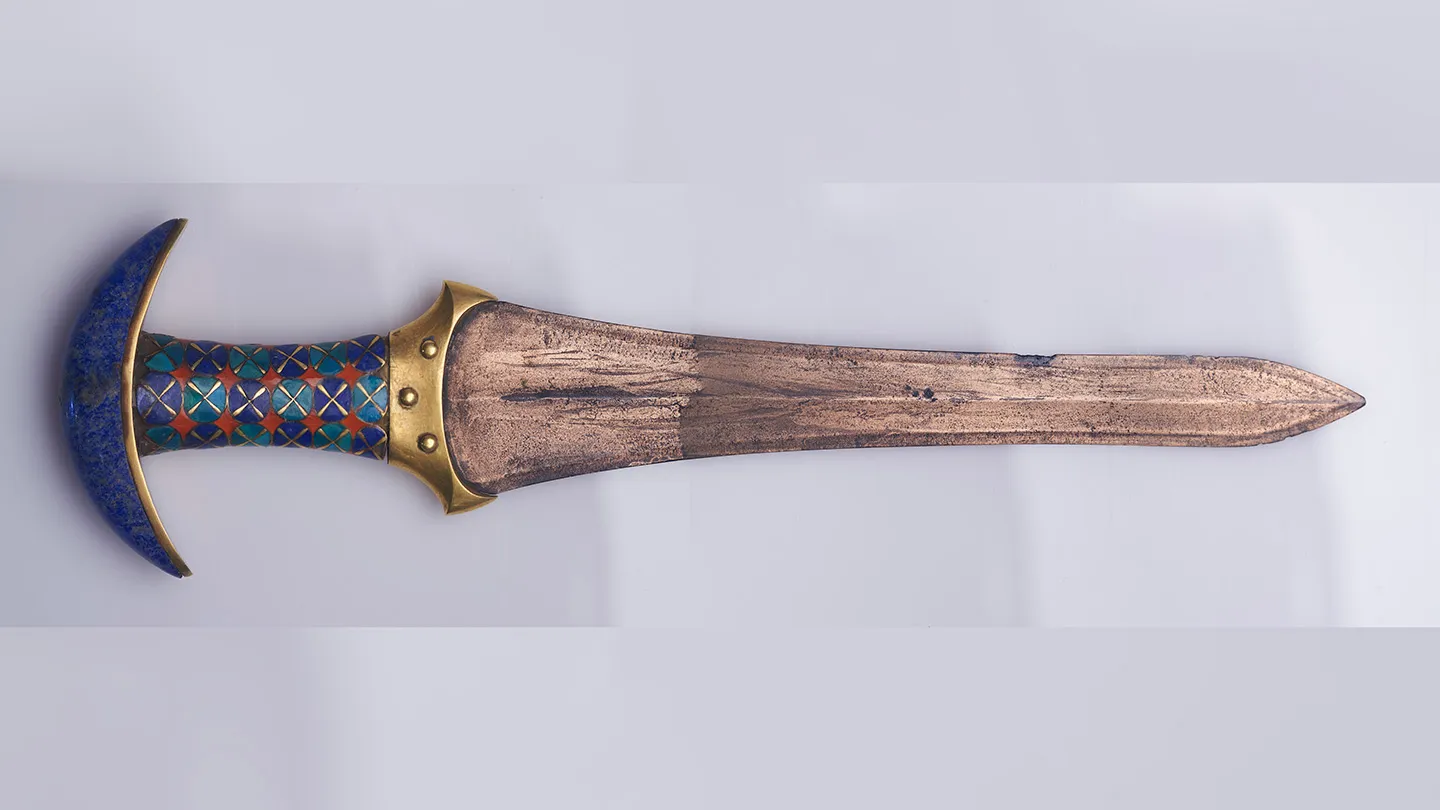
A study published recently highlights examinations of six mummified princesses, dating back nearly 4,000 years, which indicates they were not mere decorative figures in their societies. Evidence suggests that they actively engaged in physical activities such as hunting and skilled weapon usage. This contradicts earlier assumptions that the weaponry found in female tombs was simply symbolic for the afterlife. According to bioarchaeologist Zeinab Hashesh, “These princesses were active practitioners of athletic skills, rather than merely symbolic owners of the weapons found in their tombs.”
## Excavation and Analysis
The mummies in question were excavated from the Dahshur funerary complex in the 1890s but were overlooked for decades until their rediscovery in 2020. The research team utilized various methods, including bone measurements to ascertain the age and sex of each mummy, as well as X-ray examinations to look for signs of trauma. This comprehensive analysis confirmed historical notes from the original excavators, shedding light on the social and familial structures of these royal figures.
## Links to the 12th Dynasty
Of the six mummies studied, one belonged to a little-known pharaoh of the 13th Dynasty, while three were identified as likely daughters of Amenemhat II, a ruler dating between 1929 and 1895 B.C. The mummies shared a rare cluster of inherited spinal defects, indicating their familial connection. Future DNA analyses are planned to further understand their lineage and health.
## Evidence of Physical Activity
The examinations revealed more than just royal lineage; there were also notable signs of physical conditioning. Features such as robust muscle attachments hinted that these women participated in arduous activities, possibly even combat. For instance, enlarged forearm bones on one mummy suggest that Itaweret regularly drew bows, pointing to her as a skilled archer, further reinforcing the idea that they lived actively rather than in luxury.
## Traumatic Injuries and Athleticism
Some of the mummies displayed signs of healed traumatic injuries, which may have been sustained during training or hunting. Hashesh emphasizes that these findings depict a life far from sedentary, suggesting extensive physical training akin to their male counterparts. “They were well-conditioned athletes whose bodies were hardened by skilled forces and disciplined movement,” she notes, portraying a different narrative of royal life in ancient Egypt.
## Cultural Context
Egyptologist Nicholas Brown, who wasn’t involved in the study, adds another layer of interpretation, pointing out that Egyptian princesses participated in archery during royal rituals, specifically during the Sed festival. Although the evidence for the princesses’ actual weapon use is indirect, the muscle attachments observed make a compelling case for their involvement in repeated physical activities, indicating their assertive roles in their cultural context.
In summary, the revelations surrounding these mummified princesses challenge conventional beliefs about women in ancient Egypt, highlighting their potential roles as capable warriors and athletes, integral to their society. As further research progresses, it may uncover even deeper aspects of the lives these royal women led, enriching our understanding of ancient history.