
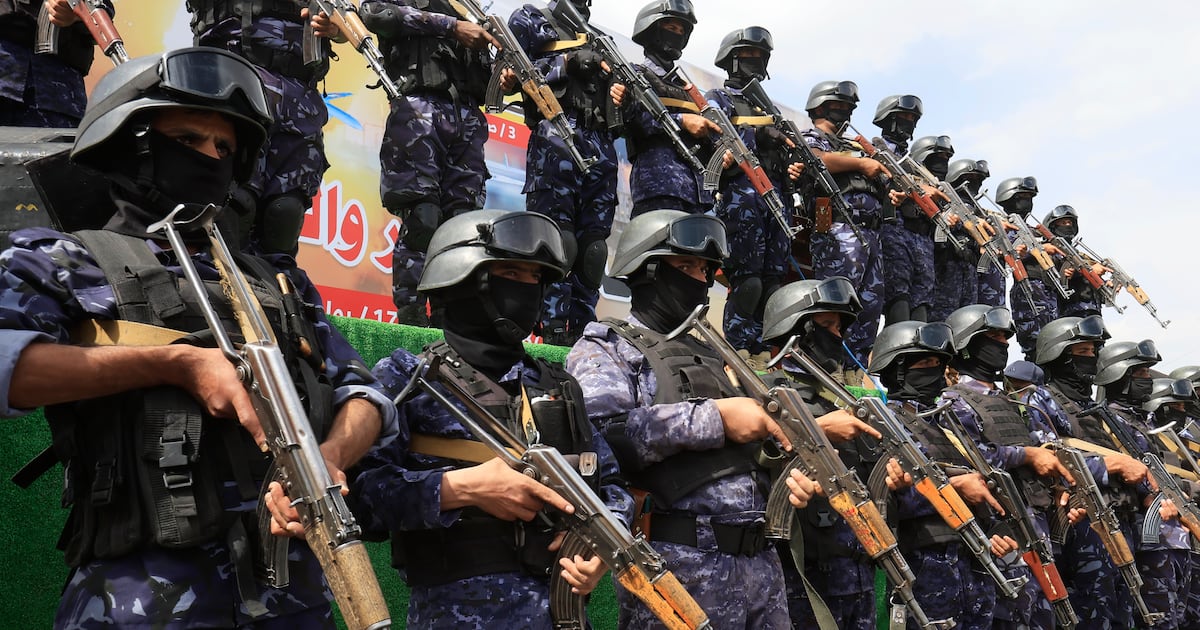
The Houthi rebels have recently announced their decision to enforce a “maritime embargo” against Saudi Arabia. This move is a direct response to the longstanding blockade that the Houthis claim has significantly intensified the humanitarian crisis in Yemen, which has persisted for nearly twelve years.
Response to Saudi Arabia’s Blockade
In a broadcast address, Houthi military spokesperson Yahya Saree criticized Saudi Arabia for what he termed an “unjust siege” on Yemen. He stated that severe restrictions imposed on ports and airports have exacerbated the suffering of the Yemeni population and have led to extreme humanitarian consequences. The Houthis argue that a maritime embargo is a justified retaliation, labeling it a “siege for a siege.” Although they did not provide specific details about the area’s coverage or implications of the ban, the Houthis indicated that it would take immediate effect.
Saree reinforced the group’s right to respond to escalations and blockades, indicating a readiness to retaliate against any aggression. He emphasized that the Yemeni military is prepared for all possible responses, noting that continued escalation from Saudi Arabia would be met with significant and decisive action. This rhetoric underscores the increasing tensions between the two parties and suggests that military actions could escalate in the coming days.
Heightened Tensions and Recent Attacks
The announcement of the embargo occurs amid heightened hostilities, following missile strikes against Saudi Arabia attributed to the Houthis. Reports confirmed that just last week, missile threats from Houthi forces were intercepted by Saudi air defense systems. Concurrently, airstrikes targeted the Houthi-controlled international airport in Sanaa, raising allegations from the rebels that Saudi Arabia was behind these attacks.
The Houthis maintain that their missile strikes on locations, including the Saudi Abha International Airport, are retaliatory measures against what they describe as “criminal Saudi aggression.” This cycle of retaliation adds to the precarious nature of the ongoing conflict, which has its roots in the Houthi takeover of Sanaa in 2014. The situation escalated further in 2015 when a Saudi-led coalition intervened, prompting a prolonged military engagement that has left Yemen in a state of humanitarian disaster.
The Potential for Wider Conflict
The recent developments pose a risk of broadening the conflict, which could not only escalate tensions in the region but may also disrupt critical shipping routes through the Red Sea. The Red Sea is a vital corridor for energy exports from the Gulf, particularly as countries seek to circumvent the politically sensitive Strait of Hormuz. For instance, Saudi Arabia has been increasing its use of the East-West Pipeline to transport oil, thereby aiming to bypass Hormuz entirely.
Such disruptions could affect global oil markets and lead to increased prices, adding a financial dimension to the humanitarian crisis unfolding in Yemen. As the conflict risk multiplies, the role of foreign powers, including the U.S. and Iran, may increasingly influence the dynamics in the region, complicating prospects for resolution and peace.
With underlying tensions exacerbated by recent military actions and counteractions, the focus remains on how both parties will navigate this tumultuous landscape moving forward. The potential for broader conflict raises serious implications not only for Yemen but also for regional stability and international trade routes.