
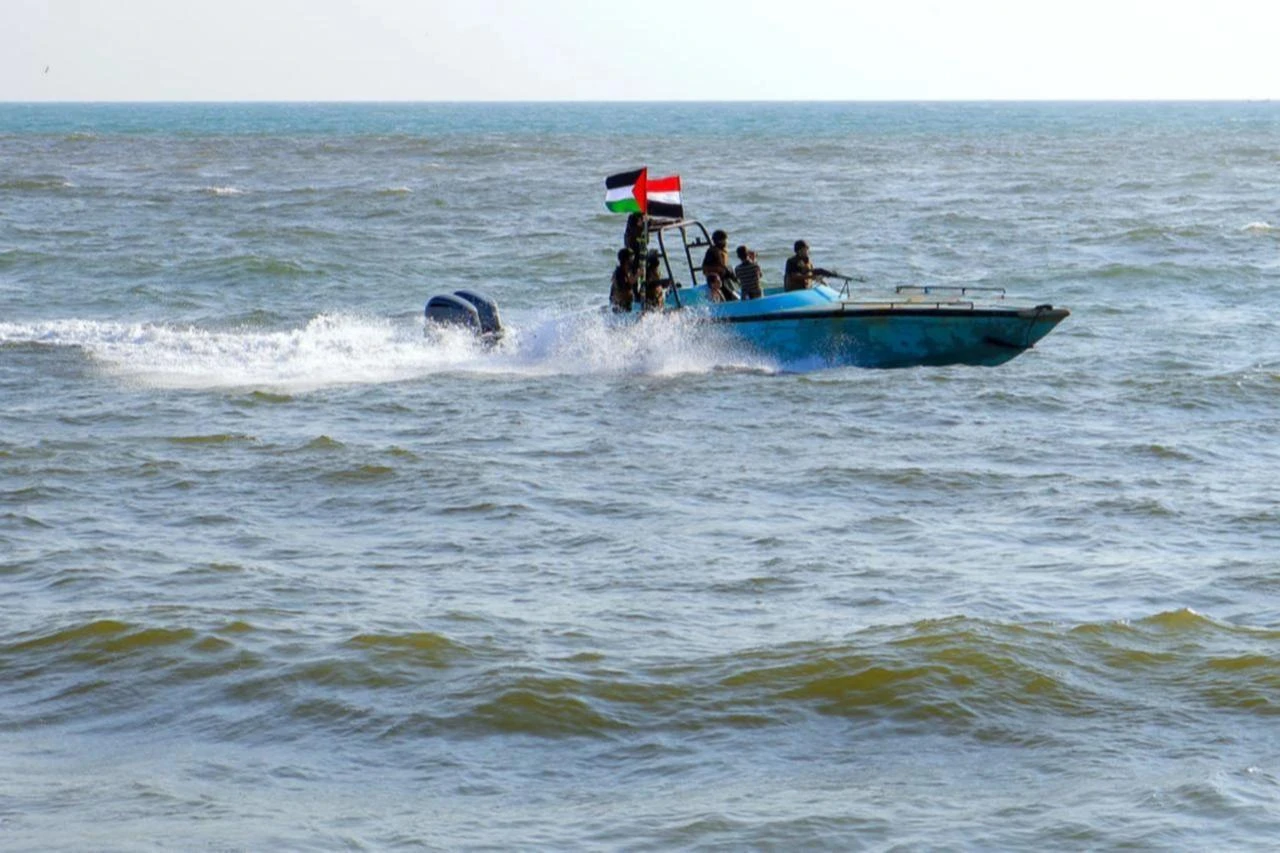
Yemen’s Houthi forces have taken significant action by enforcing an immediate maritime blockade on Saudi Arabia. This decision was prompted by perceived threats and ongoing hostilities from Saudi Arabia against areas under Houthi control. The group claims that their actions are in direct response to a long-standing Saudi blockade affecting their territories, warning that any escalation would be met with a formidable counteraction.
Maritime Blockade Announcement
On July 20, 2026, military spokesman Yahya Saree declared a comprehensive maritime embargo against Saudi Arabia, emphasizing the principle of “an eye for an eye.” This declaration is effective immediately, as outlined in their official statement. The Houthis argue that their blockade serves as a reciprocal measure, influenced by what they term a Saudi blockade on Houthi-controlled areas for almost twelve years. Allegations of humanitarian crises stemming from the Saudi forces’ restrictions on ports and airports have amplified the group’s rhetoric, intensifying the rhetoric surrounding this conflict.
The announcement further escalated tensions, with the Houthis calling for widespread mobilization. They urged the citizens of Yemen to prepare for various scenarios and support military fronts. The Houthi leadership accused the Saudi government of committing various aggressions, including an attack on Sana’a International Airport, and asserted their right to use any necessary means to respond to these ongoing military actions.
The Call for Mobilization
In their statement, the Houthis emphasized the importance of general mobilization, expressing readiness for potential escalation. “Any reckless actions from the Saudi enemy will face our full-scale retaliation,” they declared. The rhetoric portrayed the Houthis as defenders of Yemeni sovereignty, framing their military actions as a necessity amid dire humanitarian conditions exacerbated by the Saudi blockade. They articulated that this longstanding conflict has made the situation intolerable for civilians, further highlighting the severity of the humanitarian crisis in Yemen.
The Houthis have described Saudi Arabia’s actions as unjust and lacking a legal or humanitarian basis, claiming that Riyadh has been plundering Yemen’s resources while causing catastrophic consequences for its population. Their statement positioned the Houthis not only as a military force but also as a group advocating for the needs and rights of the Yemeni people.
Impact on Global Energy Markets
The implications of this maritime blockade extend beyond regional conflicts, raising alarms about the security of the Bab el-Mandeb Strait—a crucial maritime chokepoint connecting the Red Sea with the Gulf of Aden. The importance of this area has surged, especially following disruptions in crude oil shipping through the Strait of Hormuz, which has prompted Gulf producers to rely more heavily on alternative routes via the Red Sea.
Saudi Arabia’s crude oil shipments have experienced significant shifts as over 70% of their exports have been redirected to the Red Sea terminal in Yanbu. Current data shows that crude oil shipments from Yanbu have reached approximately 4 million barrels per day, a substantial increase compared to the previous year. This trend underscores the growing significance of the Bab el-Mandeb Strait, which has facilitated about 7.4 million barrels of petroleum flow daily—equivalent to around 7% of global oil production.
Any serious disruption to the Bab el-Mandeb could severely affect global oil supply chains, especially as the region has become increasingly reliant on these routes for exporting oil. As tensions mount between the Houthis and Saudi Arabia, the global oil markets remain on alert. With Brent crude prices experiencing fluctuations in response to these developments, the situation clearly illustrates how regional conflicts increasingly intertwine with worldwide economic considerations, heightening the stakes for all involved parties.