
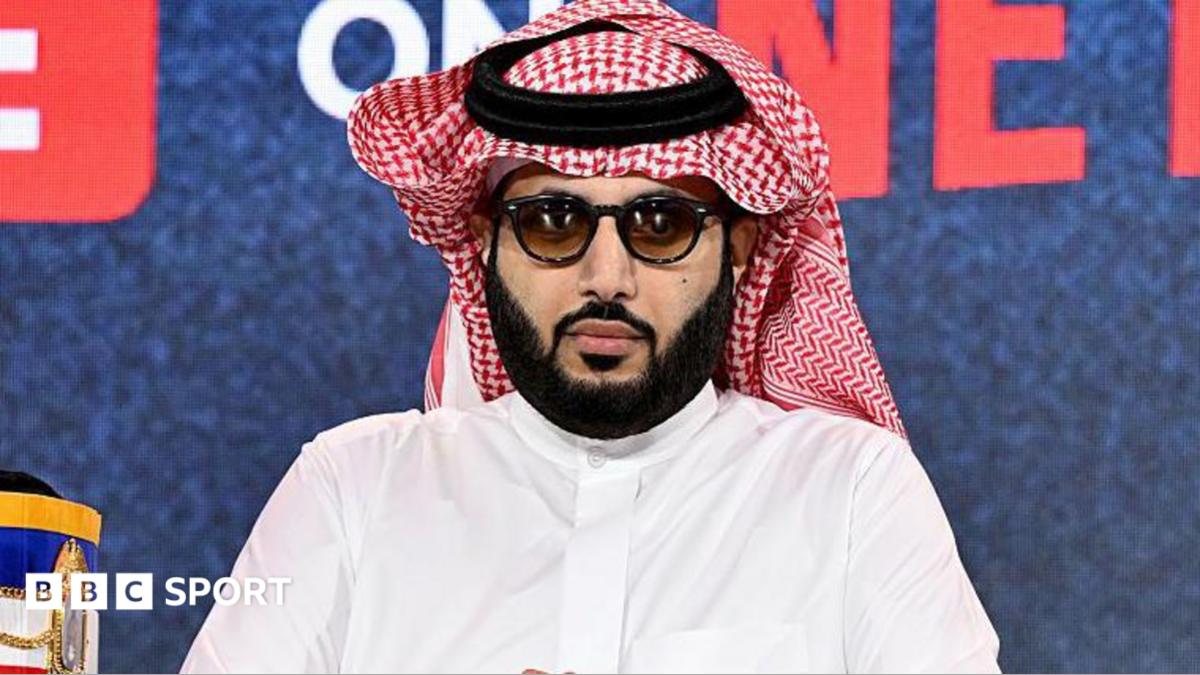
The recent proposed acquisition of a Championship football club by Alalshikh, co-founder of the boxing promotion company Zuffa, has generated much discussion, particularly in light of the intricate scrutiny by football’s regulatory bodies. This potential deal has raised questions regarding the ethical implications of such an investment, especially given the history of human rights concerns linked to the Kingdom of Saudi Arabia.
Regulatory Scrutiny of Ownership Transfers
An official spokesperson for the Independent Football Regulator (IFR) stated that it has a statutory obligation to thoroughly evaluate prospective owners of clubs operating in the top five divisions of men’s football. The examination of Alalshikh’s bid was completed ahead of schedule, taking just 55 days out of the legally allocated 90 days. The IFR indicated it had reached what it termed a “minded-to decision” to approve the acquisition, a notice that was communicated to all involved parties well in advance of the start of the 2026-27 season.
The assessment process followed a definitive set of guidelines established in legislation. This includes a comprehensive evaluation of financial stability, resources, source of wealth, and the honesty and integrity of candidates. The IFR even delves into candidates’ backgrounds, checking for any criminal proceedings, civil actions, or other regulatory issues that may impact their eligibility.
Human Rights Concerns Surrounding the Deal
Despite the regulatory green light, Alalshikh’s proposed investment has not been without its detractors. Human rights organizations, including Amnesty International, have voiced strong opposition, declaring this acquisition a pivotal test for the independent regulator in terms of ethical standards. Concerns about Alalshikh, who serves as the chairman of Saudi Arabia’s General Entertainment Authority and maintains close ties to Mohammed bin Salman, focus on his involvement in what many describe as ‘sportswashing.’ This term refers to the idea of using sports investments to mask or distract from a nation’s poor human rights record.
Saudi Arabia has been heavily criticized for its treatment of women, harsh punishments such as the death penalty, and anti-LGBT policies. Such allegations raise the question of whether an investment led by individuals connected to the Saudi government could be seen as a legitimate business move or a façade for improving the nation’s global reputation.
Previous Ownership and Future Implications
Alalshikh is no stranger to football investments. He owned the Egyptian club Pyramids from 2018 to 2019 and was also involved with the Spanish team Almeria, which he sold to a Saudi investment group last May. This history puts him in a unique position, as he has experience in managing football clubs across different countries, but it also compounds the concerns regarding his intentions and the broader implications of Saudi influence in the sport.
The outcome of this potential deal will likely serve as a litmus test for how football governance responses to investments from individuals with contentious backgrounds. With growing attention on the ethical dimensions of sports governance, this case may set a precedent for how similar situations are handled in the future. As discussions around global sports investments continue, the intersection of ethics, politics, and sports will only deepen, making transparency and accountability more crucial than ever.