
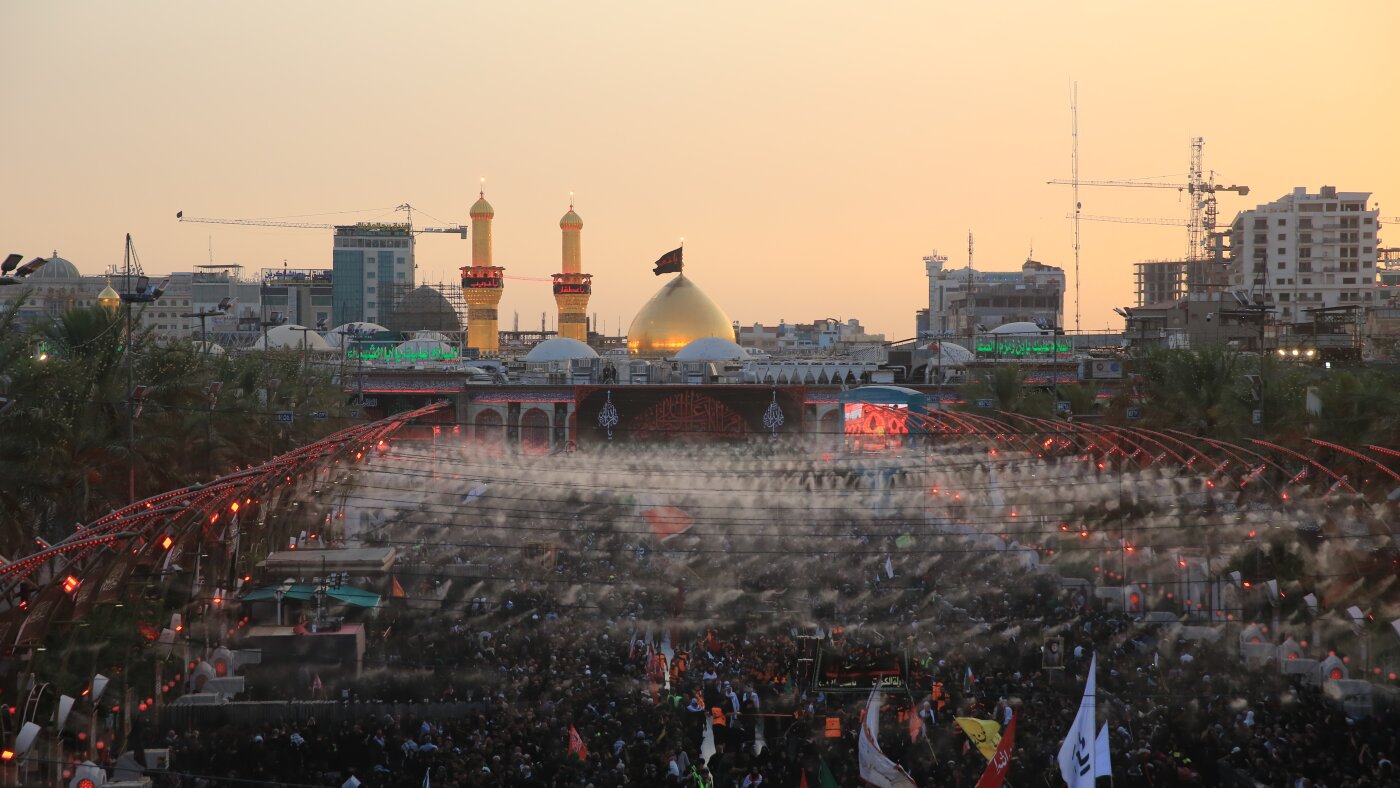
In the sacred city of Karbala, Iraq, the observance of Arbaeen remains a poignant reminder of the tragedy surrounding Imam Hussein, who was slain over 1,400 years ago. This deeply significant event attracts millions of pilgrims, marking a moment of reflection and community as they partake in traditions honoring the martyrdom of the beloved Shia figure.
Significance of Arbaeen
During the annual Arbaeen pilgrimage, many participants recall the suffering endured by Imam Hussein and his followers, particularly the deprivation of water before their tragic deaths. The act of sharing cold water among pilgrims serves as both a necessity and a spiritual homage, reconnecting attendees with the historical injustices faced by their forebears. This year, a notable surge in attendance was driven by recent events, particularly the death of Iran’s Supreme Leader Ali Khamenei, seen as a tragic echo of historical injustices against Shia Muslims.
Pilgrimage in the Heat of Reflection
Throughout the pilgrimage’s duration, which sees approximately 20 million people converging on the holy sites, the atmosphere is deeply charged with emotion. Many individuals express their devotion through personal and communal sacrifices, such as long walks from foreign borders and participation in various mourning rituals. Significantly, Iranian pilgrims are noted to have journeyed between 200 to 300 miles, underlining their commitment to commemorate not only Imam Hussein but also resonate with the recent geopolitical struggles.
Traditions and Cultural Unity
As pilgrims traverse the pathways to Karbala, they often encounter hospitality tents offering refreshments and aid, fostering a sense of community among participants. The spiritual journey culminates at the Imam Hussein Shrine, where the faithful congregate, pay respects, and engage in rituals that intertwine their faith with their historical narrative. Amidst the backdrop of symbolic colors—most notably red, signifying vengeance—a tapestry of chants fills the air, uniting diverse voices from various backgrounds in pursuit of common mourning and resolution.
Political Underpinnings and Expressions of Solidarity
This year’s pilgrimage occurs against a backdrop of heightened tensions and violence, with many interpreting current geopolitical conflicts—including the U.S. and Israeli antagonism towards Iran—as an existential struggle for Shia identity and rights. Scenes of pilgrims carrying imagery of Khamenei and chanting in unison not only reflect grief but also signify a collective rallying against real and perceived adversities. The intertwining of the past with the present during this event serves as a potent reminder of the ongoing narratives in the region, allowing participants to publicly reaffirm their beliefs and intentions for unity.
These vibrant expressions during Arbaeen illustrate not only a shared history among Shia Muslims but also an enduring resilience in the face of adversity. As the world witnesses this powerful gathering, the significance of Arbaeen continues to breathe life into communal identity and spiritual remembrance.