
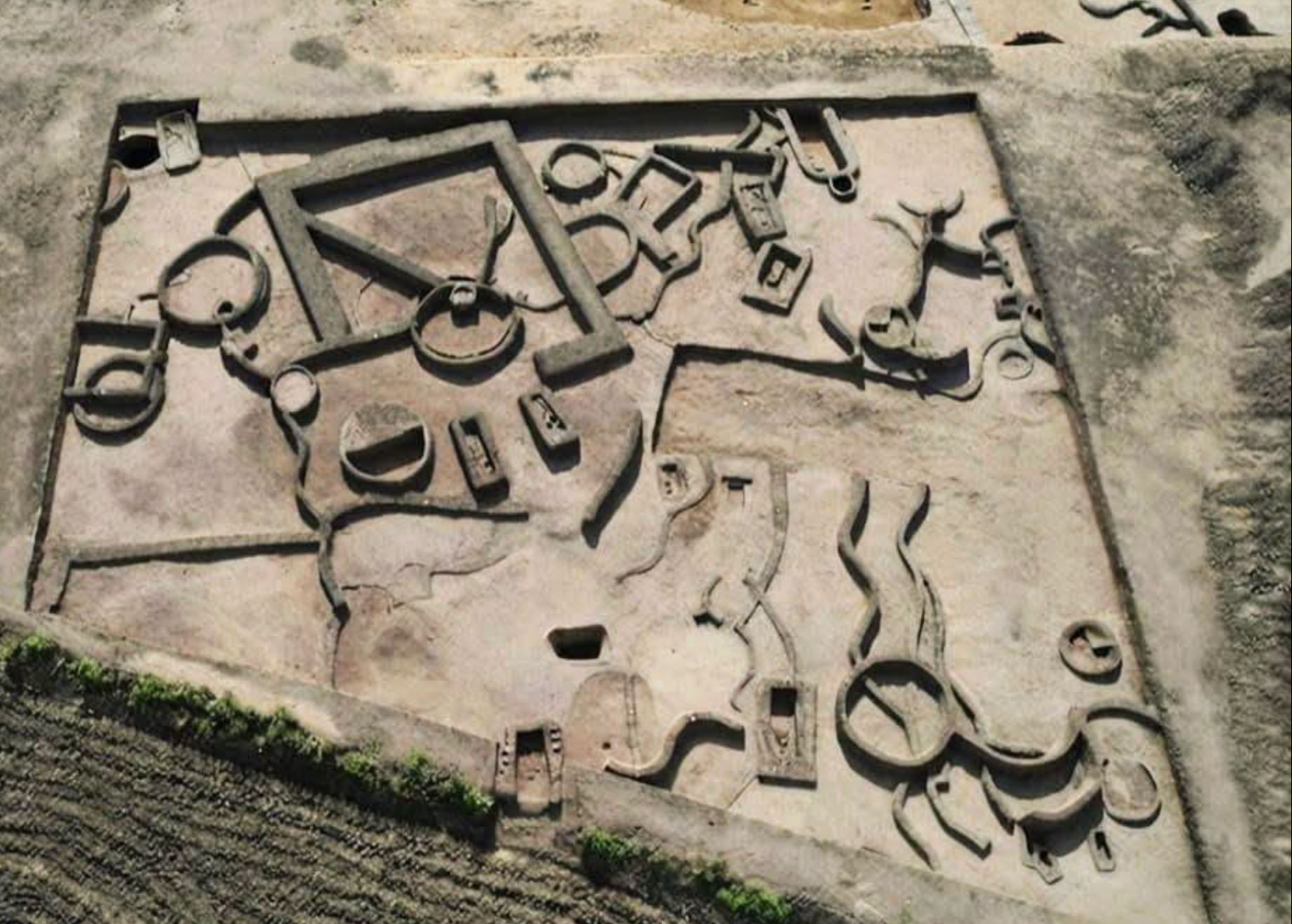
In recent archaeological discoveries near Dakahlia, Egypt, an ancient necropolis has been unearthed, shedding new light on burial practices from the Predynastic period to Graeco-Roman times. These findings not only highlight the region’s historical significance but also provide valuable insights into ancient Egyptian culture and its evolution over millennia.
Excavation Details and Historical Context
The necropolis, located in the northeastern part of Egypt, includes a range of burial sites that date back to various historical phases, allowing researchers to study the transitions in funeral rites. Unique artifacts discovered alongside the remains suggest that this necropolis was a focal point for rituals and served as a resting place for individuals from different social classes. This diversity of burial practices signifies the complexity and richness of the cultural landscape in early Egyptian society.
Excavations reveal evidence of varying burial styles, including simple graves and more elaborate tombs, indicating social stratification. The presence of pottery, jewelry, and other grave goods points to longstanding traditions surrounding the afterlife, illustrating how ancient Egyptians viewed death and rebirth. As archaeologists continue to analyze the findings, they anticipate uncovering more details about the lives of these individuals and their beliefs.
Significant Artefacts Unearthed
Among the most intriguing discoveries are artifacts that showcase the artistry and craftsmanship of the time. Elaborate pottery adorned with intricate designs and offerings intended for the deceased highlight the importance of these objects in burial customs. Additionally, bone and mummified remains found in several graves offer scientists a rare glimpse into the health and lifestyles of people who lived thousands of years ago.
Research into these artefacts not only enhances our understanding of ancient mourning rituals but also allows historians to trace the evolution of artistic expression in Egypt through various dynasties. The unearthing of personal items indicates a strong connection between the living and their ancestors, emphasizing the importance of remembrance in ancient Egyptian society.
Implications for Future Research
The discovery of this necropolis opens new avenues for research, inviting experts from multiple disciplines to explore the intricacies of ancient Egyptian life. By utilizing modern archaeological techniques, researchers hope to reconstruct the societal dynamics of the era and address various questions surrounding trade, religion, and social organization.
These findings will also contribute to a broader understanding of how different cultures influenced each other throughout history. As scholars delve deeper into studying this site, it may reveal links to surrounding regions and their respective practices during similar time frames. The contributions of this necropolis to the collective narrative of ancient Egypt will be significant as more information becomes available.
In conclusion, the recently discovered necropolis in Dakahlia offers a remarkable window into Egyptian history, providing essential data on burial practices that evolved over several periods. With its notable artifacts and diverse burial methods, this site serves as a crucial touchstone for understanding the complexity of ancient Egyptian society and its long-lasting cultural legacies. As excavations continue and research deepens, we can expect to unravel even more of the captivating story that this necropolis has to tell.