
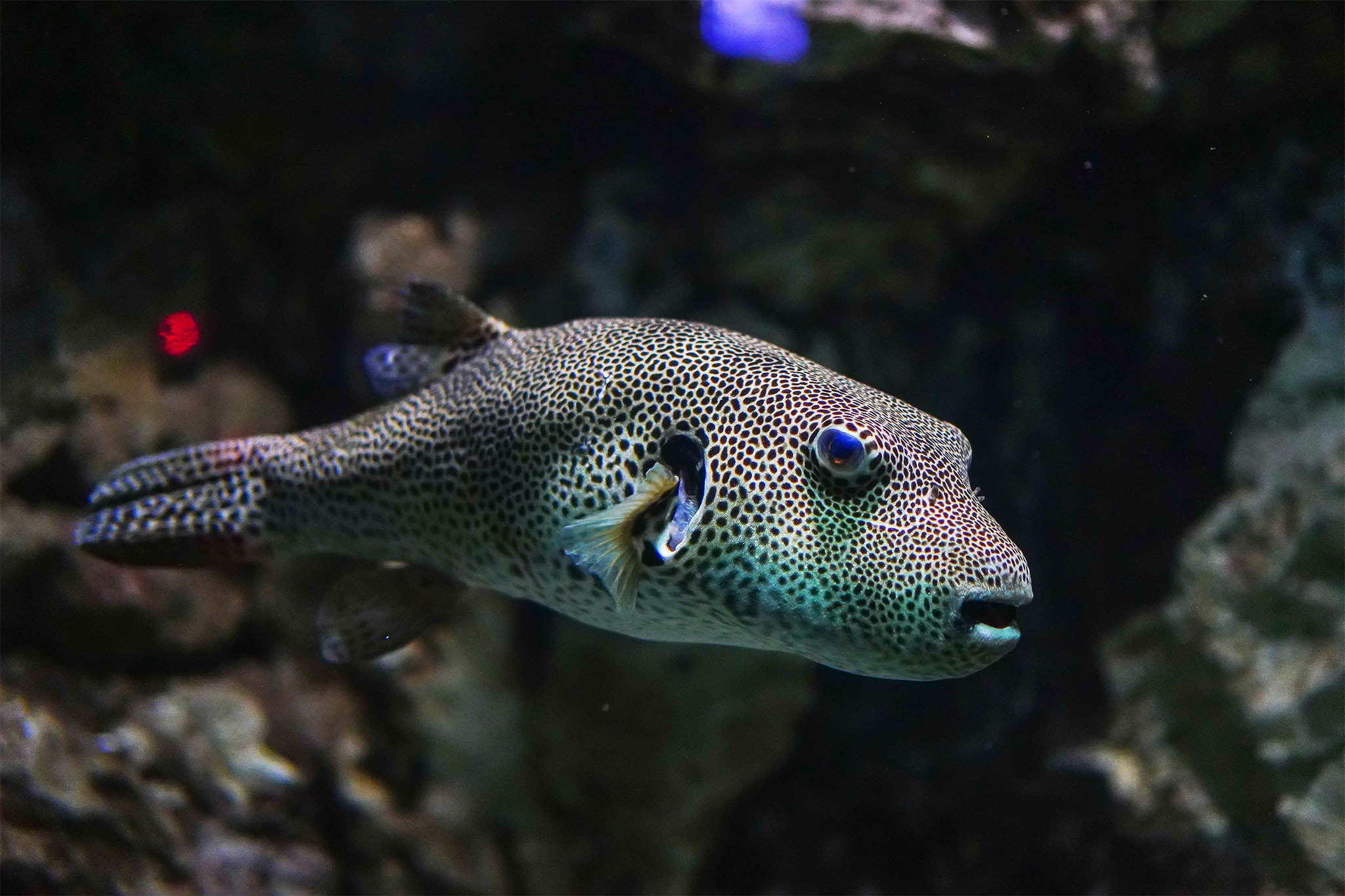
New research is shedding light on marine species that may soon navigate their way through the Suez Canal, providing vital insights for authorities to proactively manage potential ecological threats.
Understanding the Suez Canal’s Impact on Marine Biodiversity
The Suez Canal serves as a major transit route for ships connecting Europe and Asia, but it also acts as a conduit for various marine species to migrate. These species can significantly alter local ecosystems, often leading to unfamiliar competition and predation that indigenous species are not equipped to handle. By studying the patterns of species that might enter this critical waterway, researchers aim to anticipate which organisms can thrive in new environments. These insights are crucial for preserving biodiversity and ensuring sustainable marine ecosystems.
Identifying Early Invaders
Recent studies have pinpointed specific species likely to cross through the Suez Canal based on environmental adaptability and historical data. Key indicators such as water temperature, salinity, and nutrient levels have been analyzed to determine which species could establish themselves in new habitats. By focusing on these traits, researchers can better forecast which invasive species pose the greatest risk. This early identification allows conservationists and authorities to implement preventive measures before these potential invaders can disrupt local marine life.
Strategic Planning for Conservation Efforts
Armed with the findings from this pioneering research, governments and environmental organizations are better positioned to plan for the future. By prioritizing species monitoring and implementing management strategies, stakeholders can mitigate the impact of invasive species before they establish themselves. This might involve targeted surveillance in vulnerable ecosystems, public awareness campaigns, and collaborative research initiatives to gather more data on incoming species and their effects. Proactive measures can ultimately help maintain the balance of local marine environments, safeguarding native biodiversity.
The Importance of Continuous Research
While current findings offer valuable insights, ongoing research is essential to stay ahead of changing ecological dynamics. As climate change continues to influence marine environments, the types of species that may enter through the Suez Canal could evolve. Regular updates to research will ensure that authorities are equipped to revise strategies based on new data. Continued investment in marine biology and ecological studies will play a pivotal role in protecting our oceans and maintaining biodiversity in the face of these emerging threats.
In summary, the introduction of non-native species through the Suez Canal raises significant challenges for local ecosystems. However, with pioneering research identifying potential invaders, authorities can develop effective management strategies to mitigate these risks. Continuous monitoring and adaptive strategies will be crucial in preserving marine biodiversity and ensuring the resilience of our oceans against invasive threats.