
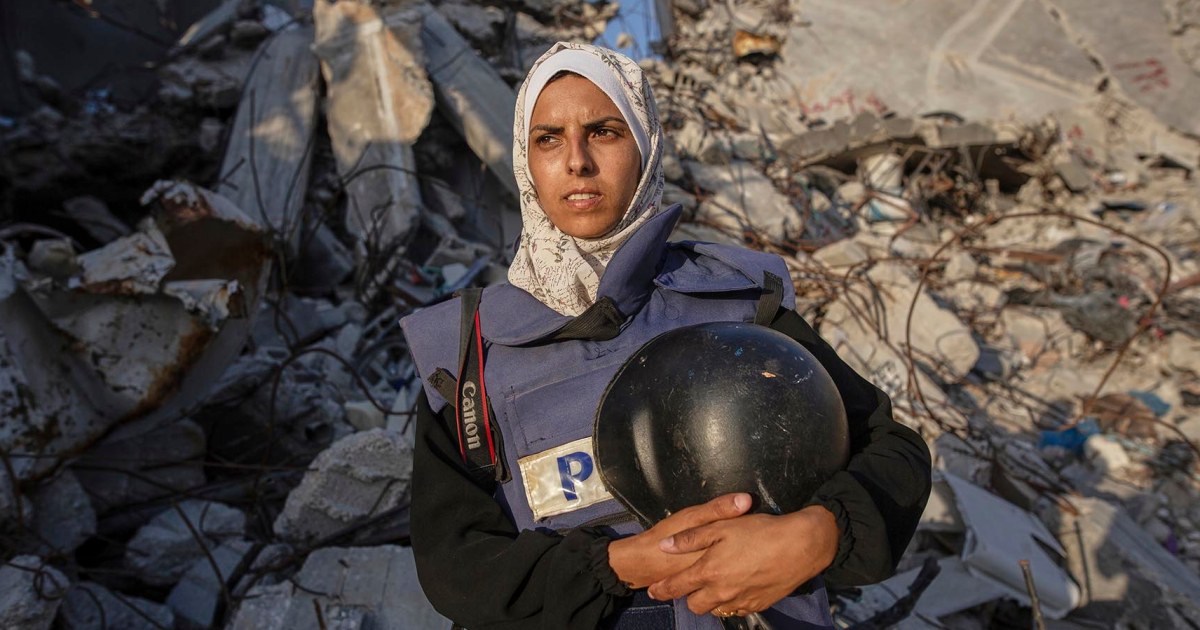
The ongoing conflict has led to severe consequences for the media operating in war zones. Notably, civilians, including journalists, are paying the price in escalating violence. This article explores the situation of journalists in conflict, the implications of military decisions, and the responsibilities of governing bodies to investigate these tragic incidents.
The Approval of Military Actions and Accountability
A soldier mentioned that the division commander sanctioned an alternative method of engagement, yet the specifics of that method remain undisclosed. The decision to employ tank rounds, known for causing significant destruction, raises questions about the command structure and operational oversight. Unlike drone strikes, which are often seen as precise, the deployment of tank artillery can substantially endanger civilian lives and property.
Former Mossad counterterrorism chief Oded Ailam pointed out that while ground commanders have some autonomy, they are bound by limitations and responsibilities. He emphasized that any significant changes in military strategy, particularly those affecting civilian safety, must adhere to the initial authority, rules, and intent of the operational orders. Such actions should ideally receive fresh approval if they deviate substantially from established protocols. This ensures accountability and minimizes unnecessary civilian casualties.
Impact on Journalists in Conflict Zones
The ongoing hostilities have created a perilous environment for journalists. Since the onset of conflict on October 7, 2023, reports indicate that Israeli forces have killed 207 Palestinian journalists in Gaza, as reported by the Committee to Protect Journalists (CPJ). With foreign journalists largely barred from entering the region, local reporters are essential for documenting the unfolding crisis. This restriction has intensified the responsibility shouldered by these journalists, making their safety paramount.
Sara Qudah, the CPJ’s regional director for the Middle East and North Africa, stated that Israel must take immediate and transparent steps toward investigating these incidents. Without credible accountability, the capacity for journalists to report on conflict diminishes, posing a threat to press freedom and the public’s right to information. The gravity of these losses extends beyond the immediate; they sever the connection between truth and documentation in war-torn areas.
The Emotional Toll on Families
The emotional fallout from these events is profound for the families affected. Ezz al-Din al-Masri spoke of the anguish stemming from the loss of his brother, Hussam, whose death remains unexplained. He lamented that in Gaza, the lives of journalists appear devalued, suggesting a disconcerting reality where protections for press members seem ineffectual in the face of violence.
Similar heartache was experienced by Riyad Abu Dagga, who mourned his daughter, Dagga, a photographer killed while capturing moments before seeking shelter. Each visit to her grave is a painful reminder of his loss. He carries her camera and phone, emblematic of her passion and commitment to storytelling. The contrast he drew between the reactions of families in Gaza and those of Israeli soldiers underscores a poignant truth: the call for justice and answers is universal and should transcend borders.