
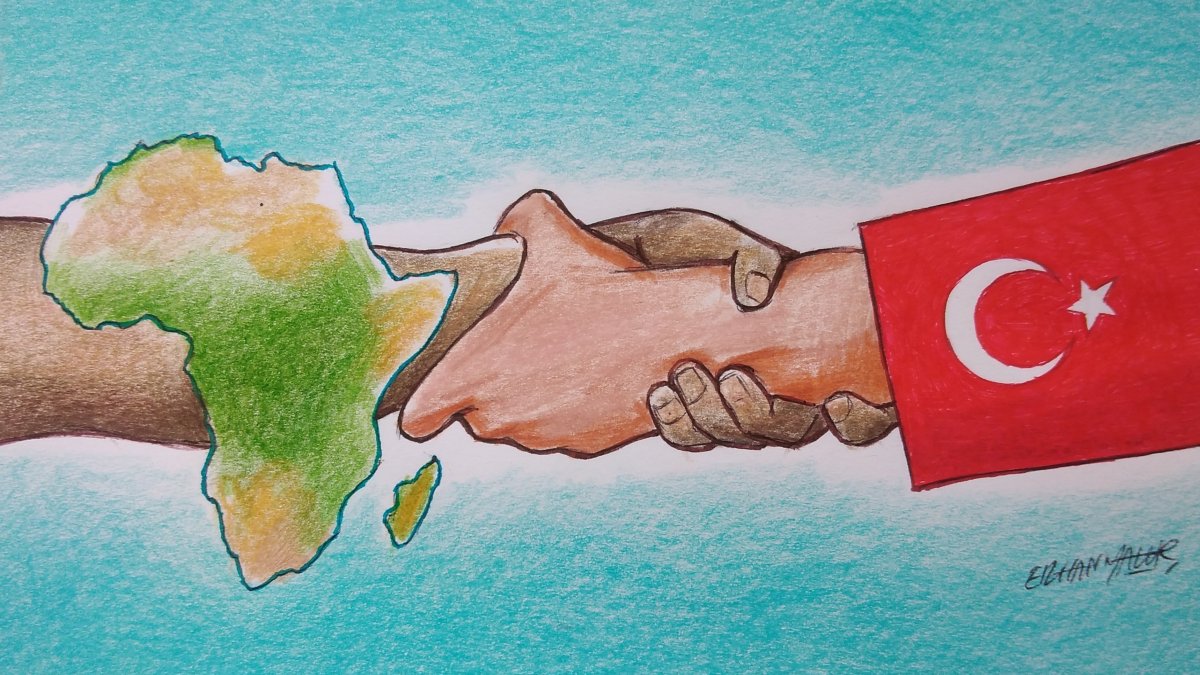
Türkiye’s evolving role in Africa has shifted significantly over the last two decades. Traditionally viewed through a humanitarian lens—with initiatives such as healthcare systems supported by the Turkish Cooperation and Coordination Agency (TIKA), scholarship programs from the Presidency for Turks Abroad and Related Communities (YTB), and cultural centers established by the Yunus Emre Institute—this perspective is now maturing into a more complex diplomatic engagement. The Turkish presence, while still maintaining a humanitarian aspect, has transitioned to include substantial military cooperation and defense exports.
The Shift from Humanitarianism to Military Engagement
In this changing landscape, military technology and defense exports have gained paramount importance, reshaping Türkiye’s interactions with African nations. Aircraft such as the Bayraktar TB2 and Bayraktar Akıncı unmanned combat aerial vehicles (UCAVs) have become emblematic of this new strategic outreach, positioning Türkiye as a critical player in defense alongside nations struggling with internal conflicts and heightened security challenges. Offering these military assets at a lower cost compared to Western counterparts, Türkiye also provides a less scrutinized framework for acquisition—a significant factor when African governments face limited budgets and pressing security needs.
The affordability and accessibility of Turkish drones represent a win-win situation for countries combatting insurgencies and militia activities. Many African nations have adopted these platforms, benefiting from a practical and effective solution to security threats. With more than a dozen African nations now utilizing Turkish drones, this trend signifies a burgeoning partnership that goes beyond simple arms sales.
Building Comprehensive Military Alliances
Somalia serves as a prime example of this evolving military partnership. The Turkish military training facility in Mogadishu has become a cornerstone of Türkiye’s defense strategy there, complementing arms sales while bolstering institutional ties. This integrated approach includes military training, equipment acquisition, and infrastructure management, showcasing a sophisticated model of military cooperation that other African nations are keen to emulate.
Fostering these military relationships also enhances Türkiye’s diplomatic influence in regional disputes. For instance, Ankara’s involvement in mediating the tensions regarding Somaliland and Ethiopia demonstrated its ability to leverage military partnerships for broader diplomatic outcomes. As a trusted security partner, Türkiye is increasingly positioned as a dependable negotiator in matters arising from regional instability.
Challenges and Opportunities in Military Diplomacy
While Türkiye’s military engagement offers immediate solutions to security challenges, it also raises questions about the long-term stability of the continent. The challenge remains: can military support effectively stabilize nations plagued by deep-seated governance issues, territorial disputes, and grievances that contribute to insurgency recruitment? Although drones can disrupt militant operations, they do not resolve underlying conflicts or improve civil governance structures.
Nonetheless, Türkiye’s security initiatives should not be narrowly interpreted as merely military hardware supply. The presence of Turkish military capabilities is reshaping Africa’s security landscape, providing governments with practical tools to tackle pressing threats. However, for Türkiye to cement its role as a reliable partner in Africa, it must translate these military partnerships into a broader diplomatic strategy.
As Türkiye deepens its political, economic, and security relationships with African nations, it has the potential to emerge as both a defense partner and a key player in peacebuilding efforts. By addressing conflicts and promoting stability, Türkiye can enhance its reputation as “Africa’s mediator.” Ultimately, the future of Africa-Türkiye relations may hinge on balancing military presence with effective conflict resolution strategies, thus contributing to a more stable political environment across the continent.