
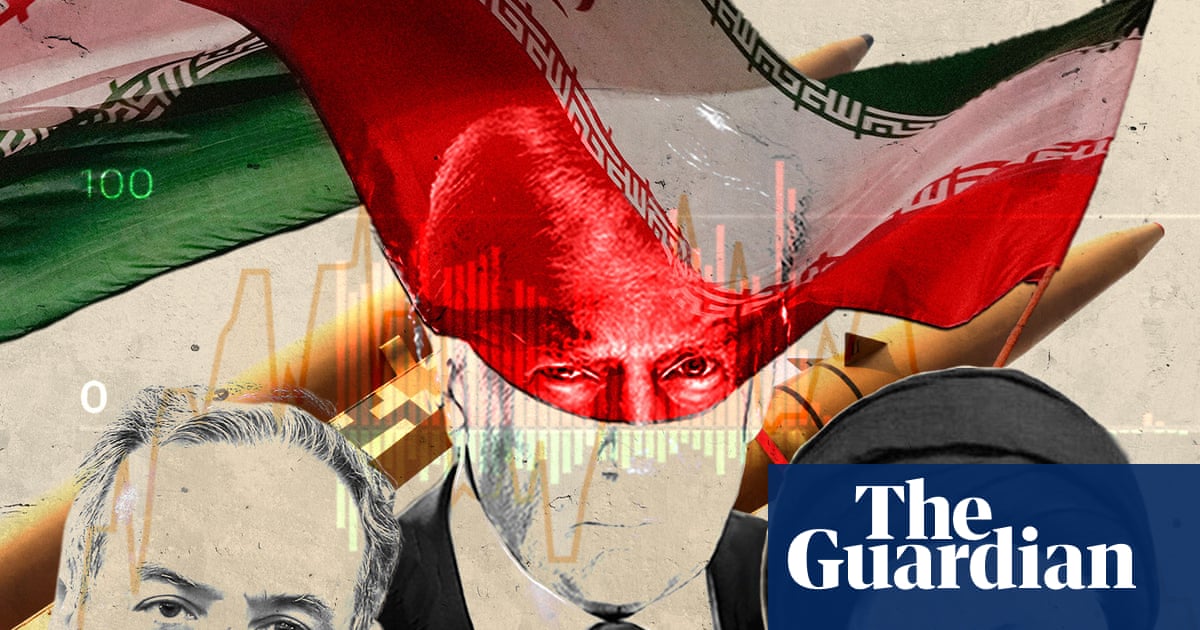
On February 28, 2026, a significant military escalation occurred as the United States and Israel launched extensive airstrikes against Iran, prompting a swift backlash from Tehran. The ramifications of this conflict have been felt across the Middle East and beyond, leading to heightened tensions and a precarious international oil market.
Consequences of the Conflict
Iran’s immediate response included attacks on Israeli and American allies throughout the Gulf region, signifying the initiation of a broader regional conflict. Tragically, on the very first day of these strikes, Iran’s Supreme Leader, Ali Khamenei, was killed. This escalation resulted in the closure of the Strait of Hormuz, a pivotal maritime passage crucial for global oil transport. Typically, over 100 vessels traverse this narrow waterway each day, facilitating roughly 25% of the world’s seaborne oil trade. The disruption of shipping routes not only impacts regional stability but also threatens global energy supplies, leading to spikes in oil prices.
Since the onset of hostilities, the region has witnessed a series of intermittent clashes alternating with ceasefires and attempts at diplomatic negotiation. Unfortunately, each chance for dialogue has repeatedly been undermined by renewed threats and further violence, illustrating the challenges of achieving lasting peace. The ongoing conflict continues to shape geopolitical dynamics across the Middle East, creating an unstable environment for both regional and global players.
Impact on Global Oil Prices
The situation in the Strait of Hormuz remains at the core of this ongoing conflict. Any potential blockade or attack on shipping vessels significantly raises concerns about the reliability of oil supplies on a global scale. The ensuing market reactions can lead to immediate price surges, adversely impacting economies that rely heavily on stable energy costs. The interconnected nature of today’s global economy means that tensions in the Middle East ripple outward, affecting everything from transportation costs to consumer prices worldwide.
To illustrate the wider implications of this conflict on oil trading and prices, a comprehensive timeline has been compiled, detailing six months of airstrikes, public declarations, and diplomatic failures. It highlights how the ongoing hostilities have not only disrupted shipping but have also created notable fluctuations in oil prices, affecting industries and consumers alike.
Methodological Insights
In the quest to understand these developments, various sources were evaluated extensively. The Guardian analyzed approximately 4,000 posts from Truth Social, 7,700 messages originating from the Iranian Revolutionary Guard Corps (IRGC) via Telegram, and a selection from social media platform X, all focusing on the events of February 28, 2026. This analysis is crucial for painting a clearer picture of the discourse surrounding the conflict.
Oil price data used in this assessment was sourced from reputable organizations such as LSEG, while shipping traffic statistics pertaining to the Strait of Hormuz were extracted from Lloyd’s List Intelligence. This analysis specifically emphasizes cargo-carrying vessels weighing over 10,000 deadweight tons, accounting for significant transits post-February 28. Moreover, airstrike data, detailing incidents involving military engagements from Iranian, US, and Israeli forces, was provided by Acled, encompassing a range of explosive events outside of interception occurrences.
The complexities of this conflict highlight the intricate interplay of military action and economic stability, underscoring the global ramifications tied to any disruption in such a critical region. As this war unfolds, the world watches closely, aware that the stakes extend far beyond mere territorial disputes, affecting economies and lives on a grand scale.