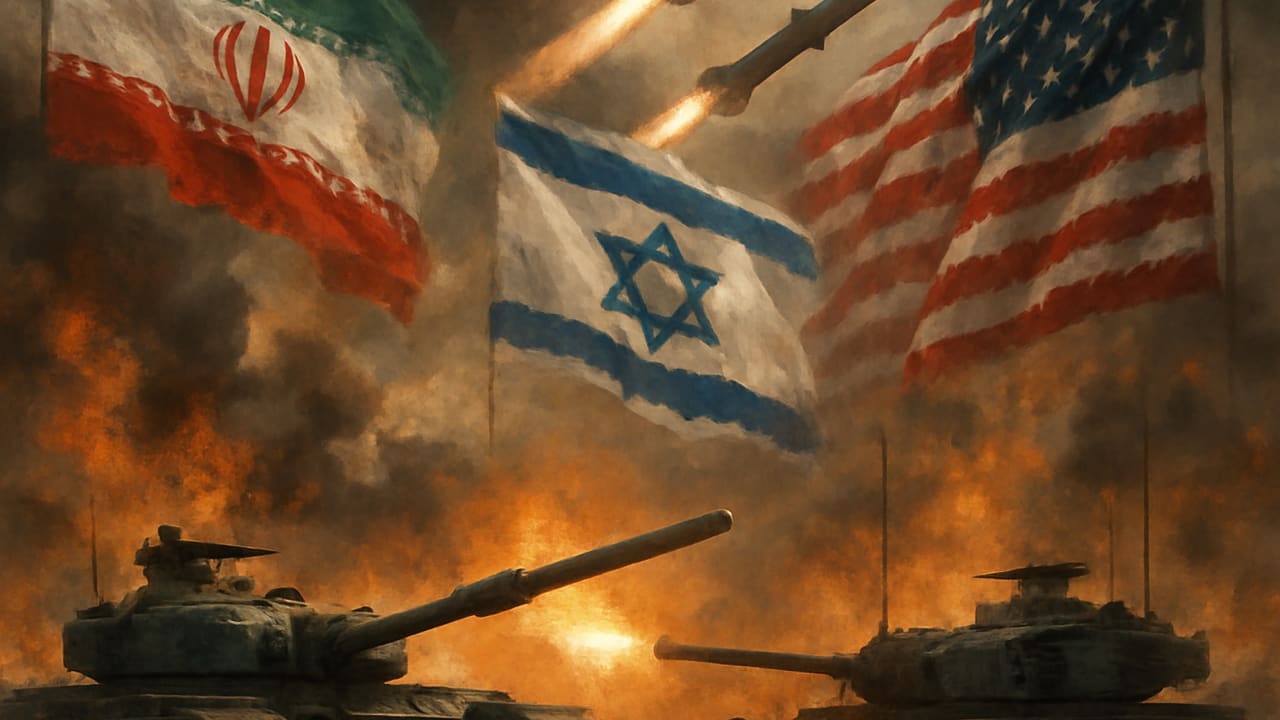
The Pentagon’s recent inquiry for innovative strategies regarding Iran underscores the complexity of the current geopolitical landscape. Following months of intense military engagement, the effectiveness of conventional air campaigns comes into question. Insights from the Central Intelligence Agency (CIA) highlight significant revelations regarding Iran’s resilience and the challenges ahead.
The Resilience of Iran’s Military Structure
Despite an extended air campaign, Iran’s military capabilities remain intact. The air strikes have not only failed to undermine its military infrastructure but have not addressed deeper systemic and negotiation dilemmas. Furthermore, existing military tactics lack the instruments necessary for a decisive conclusion to the ongoing conflict with the Iranian regime. This situation calls for more thoughtful and strategic approaches to policy-making.
Redefining Independence for Iran’s Minorities
Iran is a complex tapestry woven from various ethnic groups, prominently a Persian majority alongside several significant minorities, including Kurds, Ahwazi Arabs, Baluchis, and Azeris. These groups possess unique languages and cultural heritages, and many have been attempting to assert their autonomy amid suppression. Advocating for their recognition by Congress could profoundly shift the dynamics within Iran; such a legislative motion would resonate deeply across governmental bodies and local populations, potentially altering the future survival of the current regime.
Such recognition could serve as a non-violent catalyst for change, compelling Iranian leaders to rethink their approach to domestic and foreign policy. While some nations, including Turkey and Iraq, might oppose this shift, it would present Iran with a stark realization that it must recalibrate its nuclear aspirations and regional alliances. The potential for fragmentation looms large if Tehran does not adapt to this changing narrative.
Innovative Recruitment Strategies for Military Support
Domestically, the Pentagon faces hurdles in garnering public support for military actions, particularly when such initiatives are intertwined with the broader conflict in the Middle East. Recruitment fails to meet the levels required for an extensive ground invasion. A proposal emerged suggesting a debt forgiveness program aimed at military-age Americans. With many young adults burdened by significant debt, this could be a viable method for enhancing enlistment numbers. A program discharging debt after a defined service period may attract those seeking financial relief, thereby bolstering military ranks without resorting to conscription.
This strategic approach leverages historical precedents of utilizing economic incentives in military enlistment, uniquely tailored to the contemporary financial landscape. By offering debt relief, the Pentagon could effectively mobilize the demographic most likely to respond positively to such an initiative.
A Diplomatic Approach to Iranian Oil and Global Alliances
China’s recent diplomatic engagement illustrates an opportunity for the United States to reshape its approach towards Iran. With President Xi Jinping’s visit to the U.S., discussions could encompass trade relations and Iran’s oil resources. A proposed agreement could facilitate a more stable future for Iranian oil, whereas simultaneously reducing Chinese support for Tehran. Trading diplomatic concessions regarding Taiwan, the U.S. could potentially unshackle Iranian oil from Beijing’s influence.
In summary, while no single move presents a panacea for the complicated challenges posed by Iran, a multifaceted strategy could yield significant results. By redefining political landscapes for minorities, innovating recruitment processes, and pursuing high-stakes diplomatic negotiations, the U.S. may realign its strategic aims. The future of Iran hinges on not just military might but on comprehensive, perceptive policy-making that acknowledges the complexities of both internal and external influences.