
Iran’s Supreme Leader, Mojtaba Khamenei, has recently issued a call for unity among Muslim nations, particularly those in the Gulf region. He emphasized the need for collaboration against what he termed their “real enemy,” arguing that divisions within the Muslim community only serve to empower adversaries. This message comes during the celebration of Islamic Unity Week, a time that commemorates the birth of the Prophet Muhammad.
Call for Muslim Solidarity
In a message shared on his Telegram account, Khamenei urged for Muslim nations to work collectively in various domains, including mutual defense, asserting that fostering internal divisions would inadvertently aid those who oppose Islam. He posed a poignant question about the plight of Palestinians, suggesting that if Muslims stood united, such suffering might not be as widespread. This plea for cohesion also follows his statement to Iranians where he condemned actions that undermine social harmony and encouraged officials to refrain from statements that could erode public morale.
Khamenei’s remarks specifically targeted Gulf Arab rulers, questioning whether invaders would possess the audacity to covet their lands if the nations came together under a unified Islamic identity. Since the Islamic Revolution of 1979, Gulf monarchies have viewed Iran’s revolutionary principles as a direct threat to their traditional political structures. The current conflict has further exacerbated tensions between Tehran and its Gulf neighbors, with Iran conducting military operations targeting U.S. facilities and other infrastructures in the region.
The Economic Impact of War
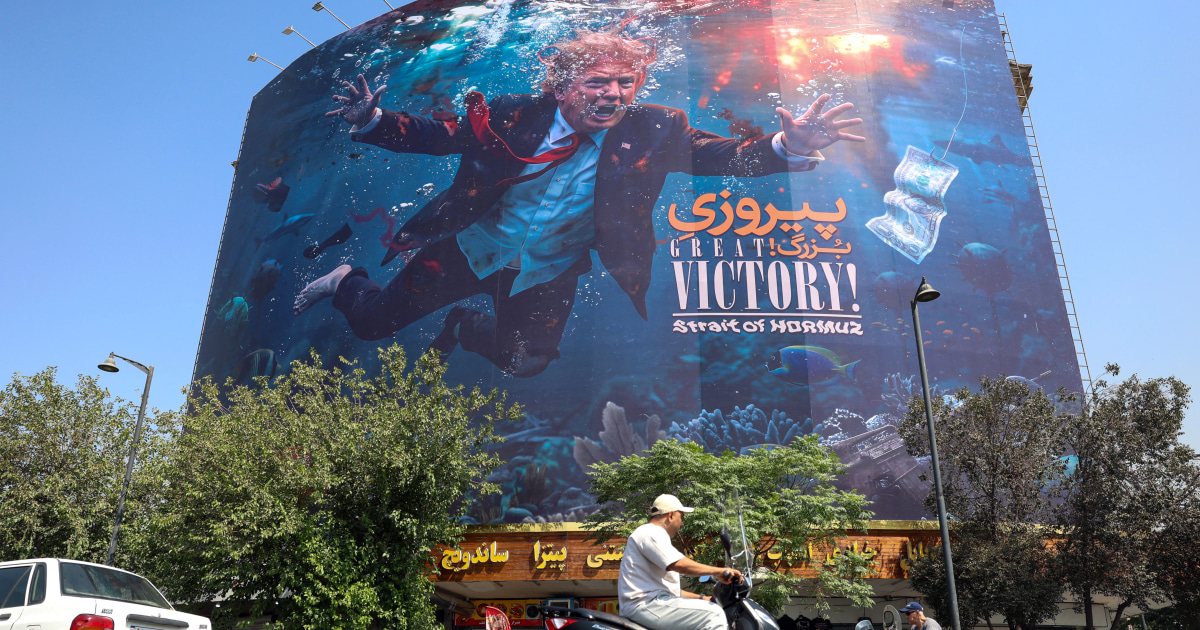
Amid the ongoing tensions, Iranian officials are grappling with significant economic repercussions from the conflict with the United States. Khamenei has called on the government to address the hardships faced by citizens, pointing to reports of a one-third decline in foreign trade resulting from U.S. sanctions and blockades. Nevertheless, Iranian leadership remains resolute, claiming they will withstand U.S. pressures, pursue diplomatic routes, and retain control over the Strait of Hormuz—an essential maritime route for global oil supply.
The Iranian government has outlined its priorities, focusing on alleviating economic strain through measures aimed at stabilizing inflation, managing market behavior, creating jobs, and enhancing domestic production. As negotiations appear stalled six months into the conflict, U.S. efforts to financially isolate Iran have intensified, with officials dubbing it an “economic D-Day.” Reports indicate that Iranian imports and exports have plummeted, particularly due to aggressive sanctions and naval blockades impacting trade.
In the wake of these challenges, Iranian leaders are optimistic about the potential revival of an interim deal that was briefly established earlier this year. President Masoud Pezeshkian noted that Iran had managed to sell around 90 million barrels of oil during the short window of agreement. He stressed the importance of revitalizing this memorandum, which not only promised immediate relief from sanctions but also aimed to facilitate the release of Iran’s frozen assets.
Ultimately, Khamenei’s appeal for unity and the Iranian government’s focus on economic resilience reflect the complex interplay of regional politics and the pressing need for collaboration among Muslim nations. As tensions with the U.S. persist, the call for solidarity may serve as both a strategic necessity and a response to economic adversity.