
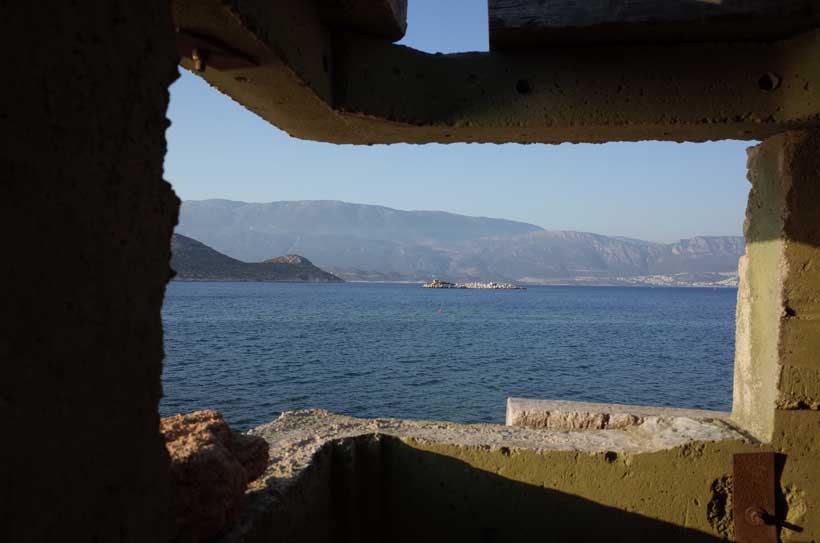
In mid-August, Turkey made headlines by announcing the creation of two marine parks just outside its territorial waters through a presidential decree. This significant move has sparked discussions regarding environmental protection, territorial rights, and regional power dynamics in the Eastern Mediterranean.
The Significance of Marine Parks
Marine parks play a crucial role in conserving biodiversity and protecting marine ecosystems. These designated areas are aimed at safeguarding flora and fauna, promoting sustainable tourism, and encouraging scientific research. By establishing marine parks, Turkey aims to address ecological concerns while also asserting its presence in the geopolitically sensitive region of the Eastern Mediterranean. These initiatives not only support marine life but also contribute to enhancing the country’s image as an environmentally conscious nation.
Geopolitical Implications
The declaration of marine parks has significant geopolitical ramifications. The Eastern Mediterranean is a region marked by disputes over maritime boundaries and natural resources. Turkey’s establishment of marine parks raises questions about the country’s maritime claims and its commitment to managing the shared resources of the sea. These developments may lead to increased tensions with neighboring countries, particularly regarding overlapping territorial claims and exploration activities.
As Turkey solidifies its position, neighboring nations, including Greece and Cyprus, are likely to respond, potentially intensifying the race for control over fishing rights and undersea gas reserves. This situation reflects broader geopolitical rivalries, emphasizing the importance of diplomatic dialogue to navigate emerging disputes and ensure cooperative governance of shared marine resources.
Environmental and Economic Benefits
Beyond the political landscape, the formation of marine parks presents notable environmental and economic advantages. Protecting marine ecosystems can lead to healthier coastal environments, benefiting local fisheries and tourism industries. These parks can serve as sustainable alternatives, fostering eco-tourism and creating new opportunities for local businesses.
By focusing on sustainable practices and conservation, Turkey can strengthen its economy while also promoting environmental stewardship. The establishment of marine parks can attract international support and funding aimed at ecological initiatives, further boosting the nation’s standing in global environmental efforts.
Future Prospects and Regional Cooperation
Looking ahead, the future of Turkey’s marine parks may hinge upon regional cooperation and dialogue. It is essential for neighboring countries to engage in constructive discussions about maritime boundaries and environmental management. Such collaboration could lay the groundwork for mutual understanding, ultimately benefiting all parties involved.
In conclusion, Turkey’s recent declaration of marine parks beyond its territorial waters has significant implications for biodiversity conservation, regional politics, and economic opportunities. As the situation evolves, fostering cooperation among neighboring nations will be crucial for maintaining peace and ensuring the sustainable management of valuable marine resources in the Eastern Mediterranean.