
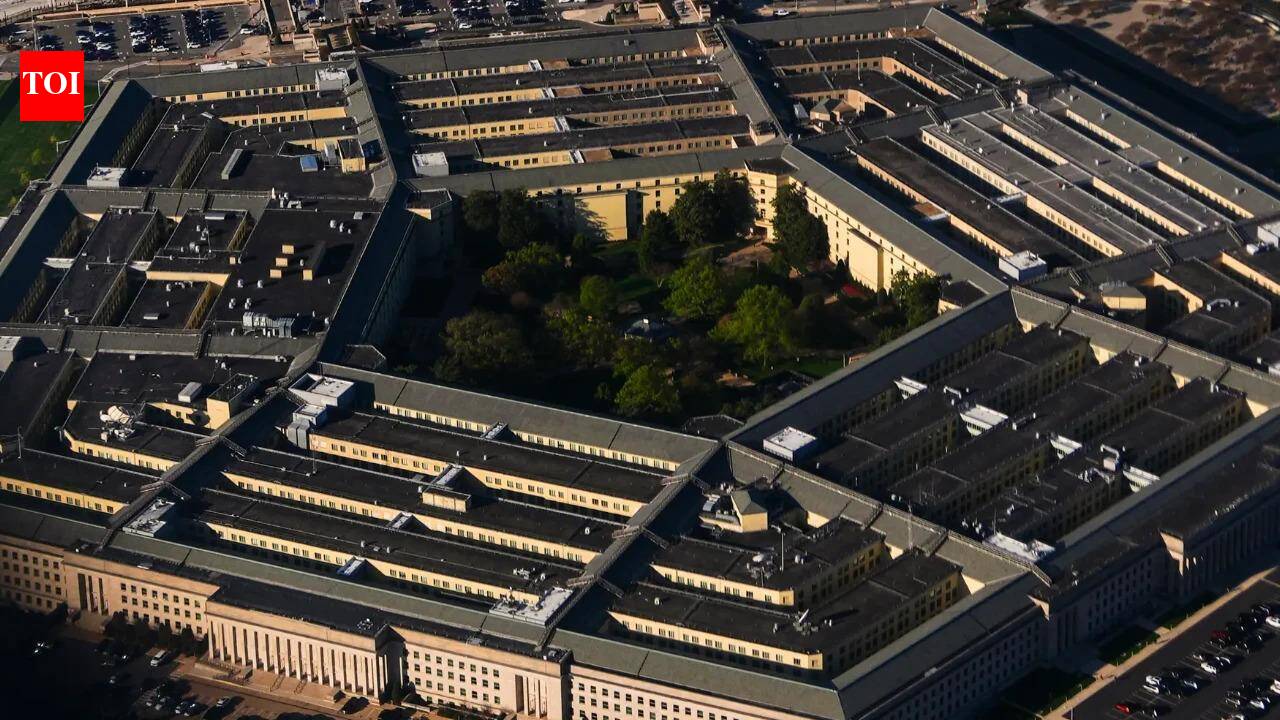
The Trump administration is currently navigating a significant transition in military leadership following the resignation of former Army Secretary Dan Driscoll. This shift is particularly critical as tensions escalate concerning the ongoing conflict with Iran. Recent reports suggest that several candidates are being considered to fill this crucial role, a decision that could shape the future direction of U.S. military strategy.
Potential Candidates for Army Secretary
As the search for Driscoll’s replacement unfolds, at least four candidates have emerged as front-runners. Among them is Marc Andersen, the Assistant Secretary of the Army for Financial Management and Comptroller. Sources indicate that President Trump has already been briefed on Andersen’s qualifications, potentially paving the way for his nomination. Another strong candidate is Sean Parnell, currently the Pentagon’s chief spokesperson and a former Army officer. Parnell is rumored to have the backing of Defense Secretary Pete Hegseth, which could give him a significant advantage if he proceeds with the nomination.
Interestingly, there are discussions regarding the possibility of appointing a different individual as Army Secretary while Parnell may take on a senior operational role within the Army. This dual-approach strategy could address the immediate need for leadership while still leveraging Parnell’s expertise. The urgency stems from Driscoll’s resignation, which reportedly followed ongoing disagreements with Hegseth regarding various Iran-related issues. Trump has temporarily appointed Adam Telle, the Army’s Assistant Secretary for Civil Works, to fill the acting Secretary role, though the timeline for appointing a permanent successor remains uncertain.
Leadership Vacuum in the Army
This leadership transition comes at a time when the Army is grappling with broader challenges, including a notable leadership vacuum. General Randy George, the Army’s Chief of Staff, was asked to resign earlier this year, heightening concerns about the branch’s stability as it grapples with ongoing military commitments. With war in Iran now extending beyond six months, the pressure on military leaders is immense, complicating the already delicate process of selection.
In addition to the search for an Army Secretary, the administration is also contemplating candidates to replace Deputy Secretary of War Steve Feinberg. Discussions have reportedly been underway since June, involving consultations with senior senators regarding the viability of potential nominees. Despite the ongoing review process, sources indicate that no final decisions have been made regarding Feinberg’s removal, leading to speculation about what might happen in the coming months.
Administration’s Frustration with War Progress
The context for these leadership changes is deeply entwined with the ongoing conflict with Iran, a subject that has caused increasing frustration for President Trump and his administration. Reports indicate that dissatisfaction is mounting concerning the lack of progress in the six-month-old conflict, which has evolved into a protracted and costly standoff. As the administration looks for new leaders who can navigate these tumultuous waters, the stakes have never been higher.
In response to the speculation surrounding leadership changes, White House spokeswoman Anna Kelly dismissed the notion that there was an active replacement process underway. Defense Secretary Hegseth publicly expressed his support for Feinberg, asserting that he “isn’t going anywhere.” This affirmation comes as a relief to those within the department, but it leaves many questions unanswered, particularly regarding how leadership will evolve in the face of continuing military challenges.
As the Trump administration strives to fill these significant military leadership positions, the intersection of personnel changes and the ongoing war with Iran will undoubtedly have far-reaching implications for U.S. military strategy and effectiveness.