
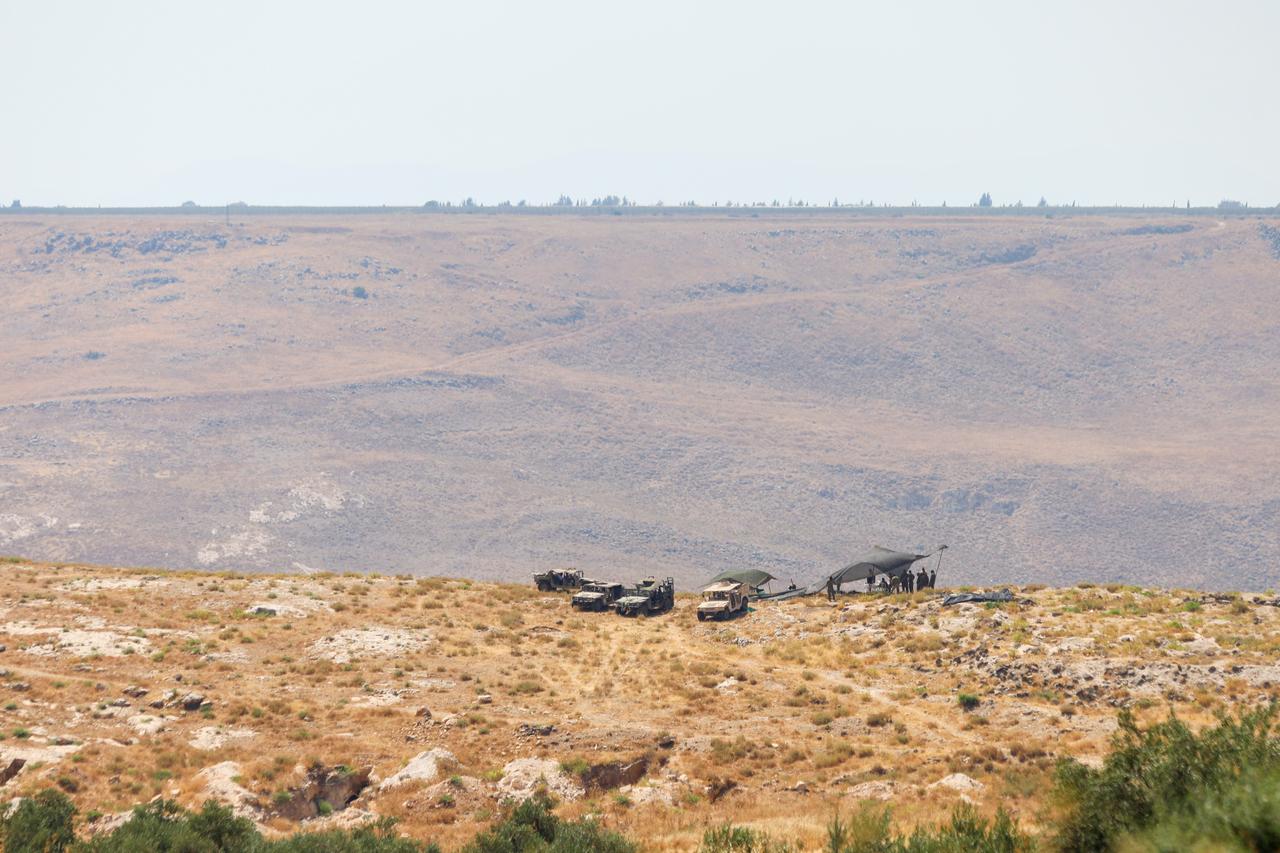
Israeli forces have intensified their military actions in southern Syria, particularly in the Quneitra province, with recent reports of shelling near local villages. This ongoing conflict is part of a broader series of incursions and military operations that highlight the complex geopolitical dynamics in the region.
Recent Military Activity in Quneitra
On Sunday, reports emerged of Israeli artillery strikes in the countryside of Quneitra, specifically targeting areas near the village of Al-Samdaniya Al-Sharqiya. Although no immediate casualties or property damage were reported, the attack follows a pattern of increased military activity by Israeli forces in the surrounding regions. Just a day earlier, six artillery shells were fired at the fringes of Al-Rafid town. An Israeli military unit, consisting of five vehicles, also advanced into the outskirts of the town before retreating without making any arrests.
Further illustrating this trend, two artillery shells were launched by Israeli forces towards eastern Tal al-Ahmar earlier in the week. Local incidents have also escalated, including the detention of a shepherd near Al-Rafid, who was released just hours later. These events underscore an unsettling routine of military engagement and violence in southern Syria.
Israeli Incursions and Geopolitical Tensions
The ongoing incursions in southern Syria, especially in Quneitra and Daraa provinces, are part of a wider Israeli strategy that has been in effect since it occupied a significant portion of the Golan Heights in 1967. Following the structural changes in Syria after the fall of President Bashar al-Assad’s regime on December 8, 2024, Israel declared the longstanding Disengagement Agreement null and has occupied key areas, including the demilitarized buffer zone along Mount Hermon.
Recent statements from Syrian leadership also reflect the shifting tides of regional diplomacy. Syrian President Ahmad al-Sharaa announced that Damascus is actively pursuing a security agreement with Israel, claiming that such an arrangement could contribute to regional stability without compromising Syria’s claim to the Golan Heights.
U.S. Involvement and Regional Stability
The U.S. has become increasingly vocal about the situation, with envoy Tom Barrack calling for restraint in southern Syria’s Druze-majority province of Sweida. His comments came amid rising tensions characterized by the forced departure of a local figure after he opposed a pro-Israeli Druze leader. The province remains under the control of various local armed groups that resist the authority of Syria’s new government.
Barrack highlighted the precarious nature of governance in the region, emphasizing that “where governance is absent, gangs fill the void.” He has also stressed the need for restraint, especially after violence erupted recently, leaving several government personnel wounded. Given the intricacies of local politics, including alliances with external powers like Israel, the pathway to stabilization seems fraught with challenges.
A Vision for the Future of Sweida
Amid these escalating tensions, Barrack emphasized a “roadmap for peace” that was proposed last year, aimed at reintegrating Sweida into the broader political landscape of Syria. He asserted that this plan represents the only viable option for avoiding further grief in the region while ensuring that the Druze community retains their rights and obligations as citizens.
Tensions in Sweida are at an all-time high, with various armed groups engaging in confrontations that have left many injured. The complicated interrelationships among local communities, military factions, and international concerns elevate the stakes for any diplomatic endeavor aimed at achieving lasting peace. The situation remains fluid, requiring close attention from all parties involved.