
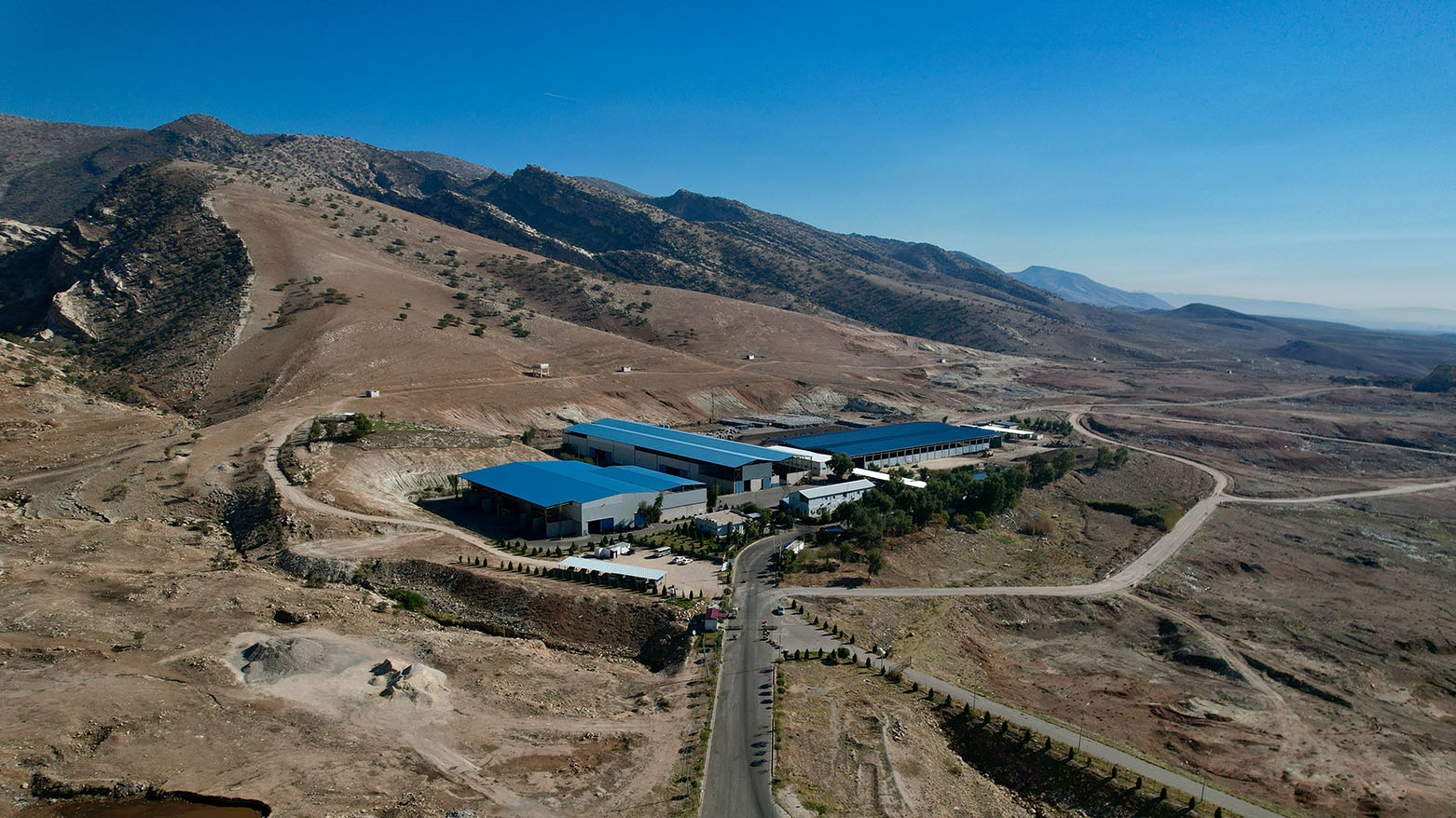
In recent years, innovative approaches to waste management have gained popularity, particularly in regions facing environmental challenges. One notable initiative is the Kwashe waste-sorting and processing plant in Duhok Governorate, which is making significant strides in recycling food waste into high-quality organic compost. This initiative is not only beneficial for agriculture but also plays a crucial role in safeguarding the environment in the Kurdistan Region.
Transforming Food Waste into Valuable Compost
The Kwashe facility is designed to recycle food waste through a meticulous process that adheres to stringent health and environmental regulations. By creating a natural fertilizer that rival traditional animal-based options, it addresses pressing pollution issues while enhancing soil fertility. Project supervisor Nijirvan Kanaan elaborated, stating, “We continuously strive to refine our production methods, mixing specific proportions of animal waste, sawdust, and soil to achieve a superior fertilizer.” This careful formulation helps ensure that the compost produced is not only effective but also environmentally friendly.
Currently, the plant processes around 650 tons of waste daily, with food scraps constituting approximately 35% of that total. Of this organic waste, 9% is directed toward compost production. The facility is capable of generating five tons of organic fertilizer each day, which is offered to local farmers and residents at subsidized prices. This approach significantly undercuts the market prices of existing fertilizers, making it a more accessible option for those in the agricultural sector.
Supporting Farmers and Boosting Local Economies
Haval Omar, the plant’s deputy director, emphasizes their commitment to easing the financial burden on farmers. The fertilizer is made available in various packaging options, including convenient 10-kilogram bags and larger bulk quantities for those needing more substantial amounts. This flexibility allows farmers to choose the best option based on their specific requirements.
Experts oversee the entire production process, reassuring farmers that their soils are free from harmful chemicals. This careful oversight guarantees that agricultural products not only achieve high market quality but also maintain superior nutritional value. The Kwashe plant proudly stands as Iraq’s first facility successfully producing advanced organic compost, with ambitious plans for further expansion in their production capabilities.
A Comprehensive Waste Management Approach
The creation of organic fertilizer is one component of a broader waste management strategy at the Duhok facility. The plant operates around the clock and, as of late 2025, is sorting over 600 tons of waste daily, employing more than 150 workers. Notably, recycling efforts have also focused on plastics, which constituted up to 23% of their sorted materials. Diyar Sadiq, the administrative director, indicated plans to establish a dedicated plastic recycling unit within the next year, with assistance from non-governmental organizations in the Netherlands. This proactive measure aims to divert plastic waste from landfills, further enhancing the facility’s environmental profile.
Environmental specialist Hazim Abdi underscores the potential hazards posed by untreated plastic waste, warning that it can contaminate the soil and ultimately enter the food chain. The Kwashe plant’s dual focus—on recycling both organic waste and plastics—highlights its commitment to reducing pollution while recovering valuable materials from diverse waste streams.
Overall, the Kwashe waste-sorting and processing plant represents a significant advancement in sustainable waste management practices. With its innovative approach to organic compost production and future plans for plastic recycling, it serves as a model for other regions seeking to balance agricultural needs with environmental responsibility. By transforming waste into valuable resources, the facility is not only contributing to local economies but also fostering a healthier ecosystem in the Kurdistan Region.