
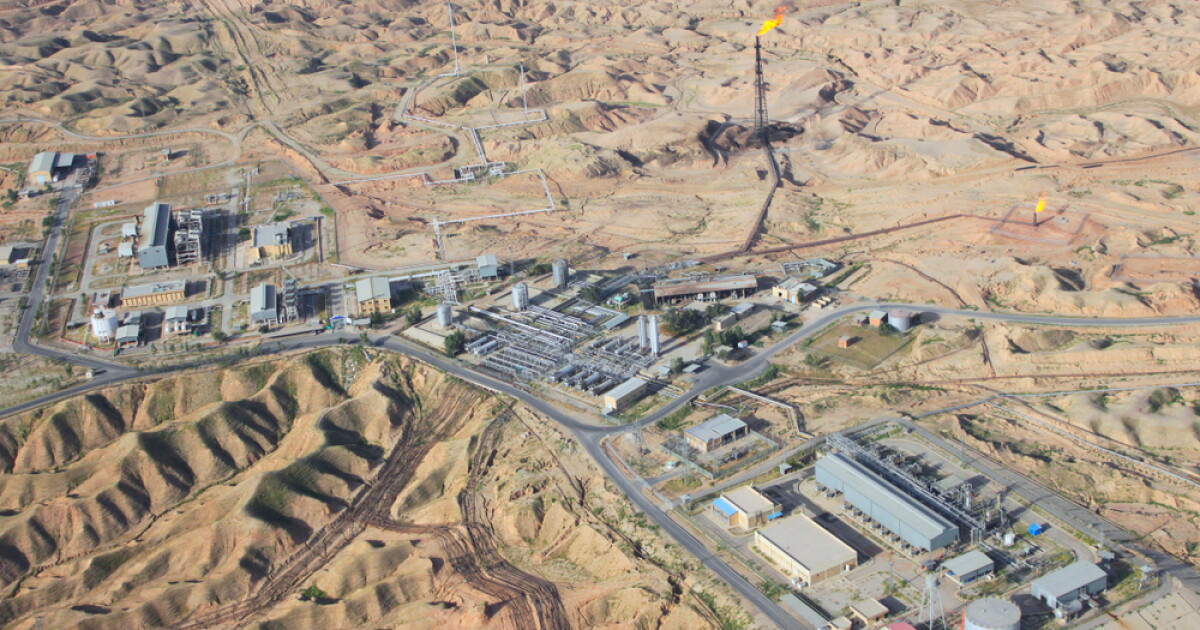
Iraq’s oil production has experienced a significant rebound, marking a promising development for the nation’s economy. In August, the country reached an impressive output of 3.37 million barrels per day (b/d), a notable increase from the 2.77 million b/d recorded in July. This surge is largely attributed to a swift recovery in crude exports via the Strait of Hormuz, allowing Iraq’s southern oil fields to ramp up their output after dealing with disruptions that had hindered shipping for several months.
Recovery in Oil Exports
The revitalization of oil exports through the crucial Strait of Hormuz has played a vital role in this turnaround. This strategic waterway is a primary channel for Iraq’s crude oil, and any disruptions typically result in significant declines in production and revenue. With exports on the mend, southern oil fields have gained the necessary flexibility to increase production volumes. This improvement not only benefits Iraq’s immediate economic needs but also positions the nation more favorably in the global oil market.
Impact on Iraq’s Economy
The rise in crude production brings more than just numbers; it has tangible effects on Iraq’s economy. Oil is the backbone of Iraq’s revenue, accounting for a substantial portion of the government’s budget. With the increase in output, there is potential for greater government earnings, which can be reinvested back into infrastructure, healthcare, and education. This financial influx is crucial for a country that has faced numerous economic challenges and strives for stability and growth in a post-conflict landscape.
Future Projections and Challenges
Looking ahead, Iraq’s oil sector faces both opportunities and obstacles. While the recent boost in production is encouraging, it is essential to maintain this momentum. Investing in infrastructure and technology is vital to ensure that production levels can be sustained and potentially increased in the future. Furthermore, the geopolitical landscape and OPEC regulations will continue to play a role. Iraq must navigate these challenges while striving to enhance its productive capacity and ensure long-term growth.
Conclusion
In summary, Iraq has successfully increased its crude oil production to 3.37 million b/d in August, signaling a critical recovery following a difficult period marked by shipping disruptions. With improved exports through the Strait of Hormuz, the southern oil fields are now positioned to contribute significantly to the nation’s economic revival. While the immediate boosts are promising, Iraq must focus on overcoming challenges to ensure a sustainable future for its oil industry and overall economy.