
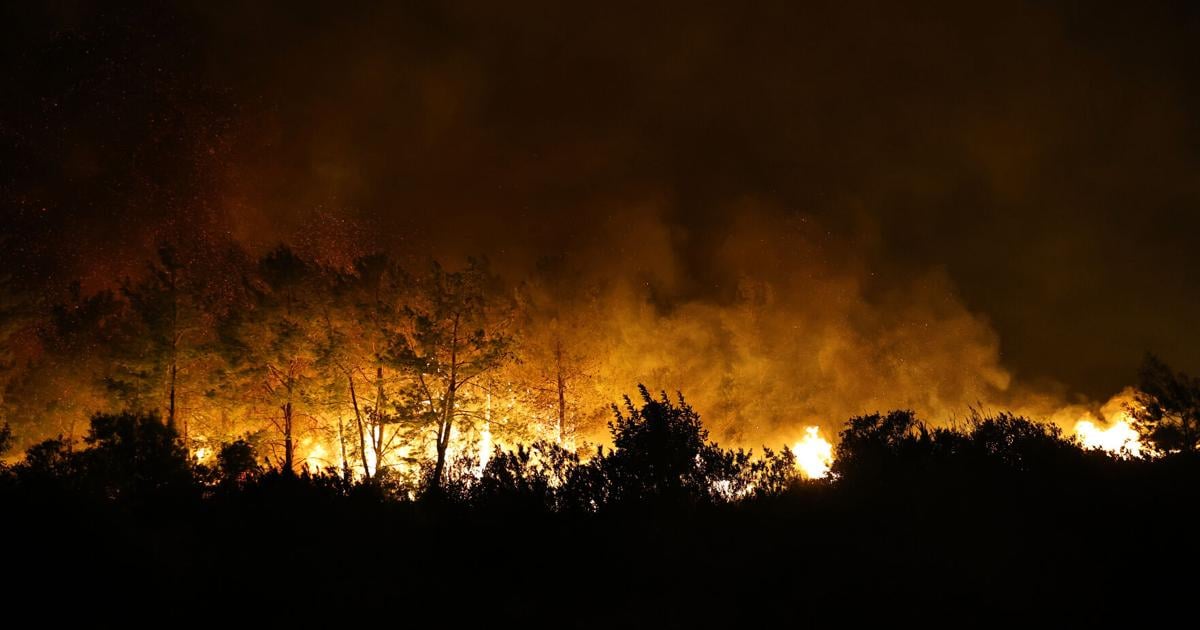
In September 2026, Antalya, Turkey, experienced devastating wildfires that wreaked havoc across the region. The situation escalated dramatically, prompting local authorities and communities to respond swiftly to the mounting threat. These wildfires not only affected the natural landscape but also posed significant risks to wildlife and nearby populations. The urgency of the matter highlights the increasing prevalence of wildfires globally and the importance of effective disaster management strategies.
The Severity of the Wildfires
The wildfires near Antalya started rapidly, fueled by dry conditions and strong winds, which allowed the flames to spread uncontrollably. Firefighters worked relentlessly to contain the situation, but the challenges were immense. As flames engulfed thousands of acres, the local ecosystem bore the brunt of the destruction. Native flora and fauna were severely affected, leading to concerns about the long-term consequences for biodiversity in the area. Moreover, smoke and ash from the fires raised air quality issues, endangering the health of residents.
Community Response and Resilience
In the wake of the wildfires, the local community displayed incredible resilience. Citizens rallied to support firefighters and emergency personnel, providing food, water, and shelter to those affected. Volunteer organizations sprang into action, collecting supplies and offering assistance to families displaced by the flames. Social media played a crucial role in disseminating information and mobilizing resources, allowing residents to coordinate their efforts effectively. This collective response exemplifies the strength of community bonds in times of crisis.
Environment and Future Implications
The impact of the wildfires extends beyond immediate destruction; it raises critical questions about environmental management and climate change. As temperatures rise and weather patterns become increasingly erratic, regions like Antalya may experience more frequent and intense wildfires. Addressing these challenges requires proactive measures, including forest management and public education. Governments and organizations must collaborate to develop strategies that reduce the risks associated with wildfires and mitigate their effects.
Conclusion: Preparing for Future Challenges
The wildfires in Antalya serve as a stark reminder of nature’s unpredictability and the urgent need for preparedness. As communities continue to recover, it’s essential to implement comprehensive disaster management plans that incorporate the lessons learned from this event. By investing in early warning systems, community training, and resource allocation, regions prone to wildfires can enhance their resilience. The path to recovery is paved with lessons, and by understanding the dynamics of such disasters, we can better equip ourselves for the future.