
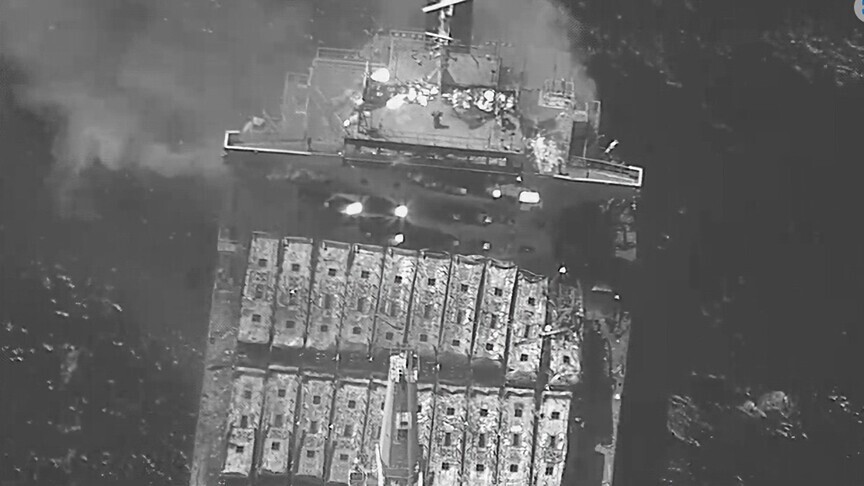
On September 13, 2026, a tragic incident in the Gulf near Qeshm Island underscores the escalating tensions in the region. An Iranian commercial vessel was attacked, resulting in one fatality and injuries to three other individuals. Local authorities have characterized this act as a direct aggression by the United States, reflecting the fraught relationship between the two nations.
Details of the Attack
Reports indicated that the attack took place early on Sunday morning at approximately 5 AM local time in the vicinity of Hengam Island and the Shib Deraz coast. Iranian state broadcaster IRIB shared statements from Qeshm Governor Amir Teymouri, who emphasized that the assailants were the “US terrorist enemy.” The remarks signal the ongoing hostility and blame directed toward the US in Iran’s narrative of regional conflicts. However, further specifics about the vessel targeted in this incident, or the nature of the attack, remain largely undisclosed, leaving many questions unanswered.
Response from Maritime Authorities
In a separate but noteworthy incident on the same day, UK Maritime Trade Operations reported that a vessel navigating through the Strait of Hormuz was hit by an unidentified munition. Fortunately, there were no immediate reports of casualties or damage related to that event. This occurrence highlights the dangerous environment in one of the world’s busiest shipping lanes, where incidents like these have become all too common. Shipping authorities are likely to remain vigilant, as the ongoing challenges in regional security increase the risks for commercial vessels.
Implications for Regional Stability
The recent attack on the Iranian vessel and the simultaneous incident in the Strait of Hormuz raise significant concerns regarding the safety and stability of maritime operations in the region. Such hostilities contribute to an environment characterized by fear and uncertainty, affecting not only local commerce but also international shipping routes. The Strait of Hormuz is crucial for global oil transport, making the geopolitical dynamics in this area a focal point for international diplomacy and economic negotiations.
Possible Consequences
As governments assess the fallout from these incidents, the potential for retaliation or further military engagement may loom. Iran’s response to the attack on its commercial vessel could escalate tensions further, prompting a cycle of retaliatory actions. The need for diplomatic solutions becomes increasingly urgent as both sides grapple with this volatile situation. Stakeholders in the international community must remain engaged in dialogue to prevent further escalation and ensure the safety of maritime navigation.
The dangerous trend observed in these recent events exemplifies the broader geopolitical challenges present in the Gulf region. With tensions high and accidents leading to loss of life, the need for conflict resolution becomes a pressing priority. As potential alliances and power balances shift, the role of international bodies in mediating these disputes will be critical for future stability.