
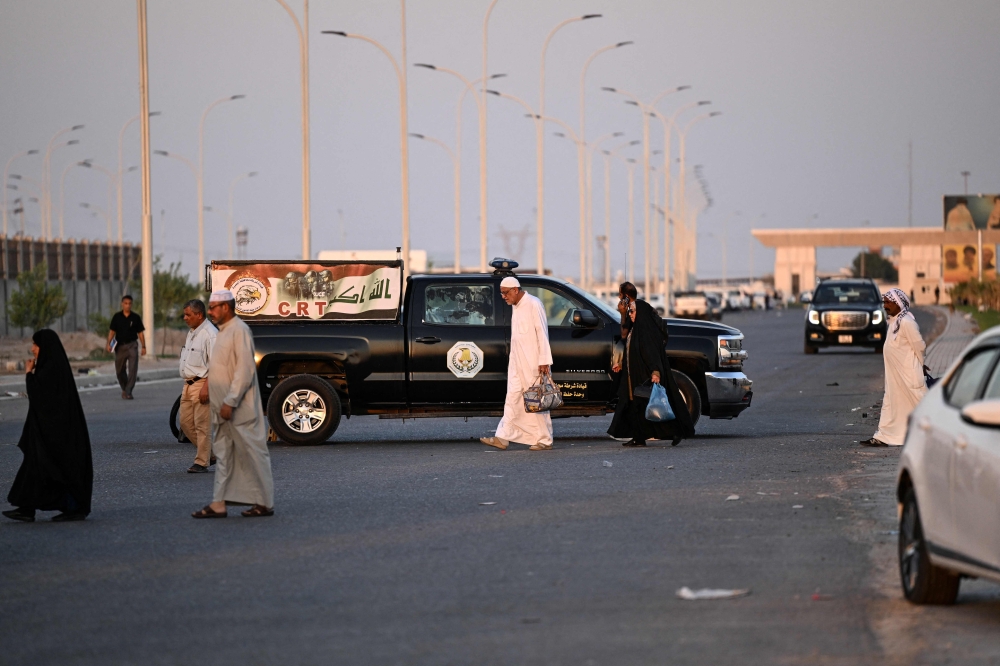
Iraqi officials have announced a plan to reopen three border crossings with Iran after a brief closure due to security concerns. This closure followed a drone attack on a Saudi oil pipeline that was traced back to the Iraq-Iran border. The government aims to restore operations while enhancing security measures to prevent further incidents.
Timeline for Reopening Crossings
Following the drone strike on the East-West pipeline, which occurred on Friday night, the Iraqi government took decisive action by dismissing the military commander responsible for the Missan province near the Iranian border. The attack prompted authorities to close the Shalamsheh, al-Shib, and al-Mandali crossings in order to reorganize operations and bolster intelligence efforts to avert future violations.
On Sunday, the government issued a statement through its security media cell, declaring a phased reopening of the crossings beginning Sunday and continuing through Thursday. The primary focus is to ensure the safe passage of both passengers and goods while addressing security vulnerabilities. Initially, the Shalamsheh and al-Shib crossings reopened for passenger traffic, although trade remains restricted for the time being.
Security Measures and Findings
Reports indicate that drone launchers were discovered in proximity to the al-Shib border crossing. These findings are crucial as they highlight the importance of maintaining heightened vigilance in the area, given the history of attacks targeting infrastructure. The presence of these drone launchers underscores the ongoing security challenges faced by Iraqi authorities, particularly in border provinces that are frequently influenced by regional tensions.
Despite the seriousness of the incident, no group has yet claimed responsibility for the drone attack on the Saudi pipeline. Interestingly, an alliance of Iraqi armed factions with ties to Iran has denied involvement, even though Saudi Arabia has previously accused Iraqi groups of targeting its oil facilities. This denial raises questions about the complex security environment in the region, where multiple actors are often at play.
Regional Tensions and International Response
The backdrop of these security issues includes broader regional tensions, particularly between Iran and neighboring countries. In July, both the United States and Saudi Arabia reported conducting strikes against Iran-backed militias in Iraq in response to prior attacks on U.S. forces and Saudi oil assets. Pro-Iran armed groups have been vocal about their opposition to U.S. and Saudi presence in the region, declaring their support for Tehran amid ongoing conflicts.
As Iraq navigates these turbulent waters, the recent closures and subsequent plan for reopening border crossings symbolize an ongoing struggle to balance national security with economic needs. Given the historical context, securing the border area is paramount for both protecting Iraqi sovereignty and ensuring the safe passage of trade and commuters.
In summary, Iraqi authorities are taking steps to minimize disruptions while addressing pressing security concerns. The gradual reopening of crossings with Iran is a measured response to escalating tensions, indicative of the complexities involved in managing border security within a region rife with geopolitical challenges. By enhancing intelligence efforts and reorganizing operations, Iraq aims to shield itself from potential threats and stabilize its border areas.