
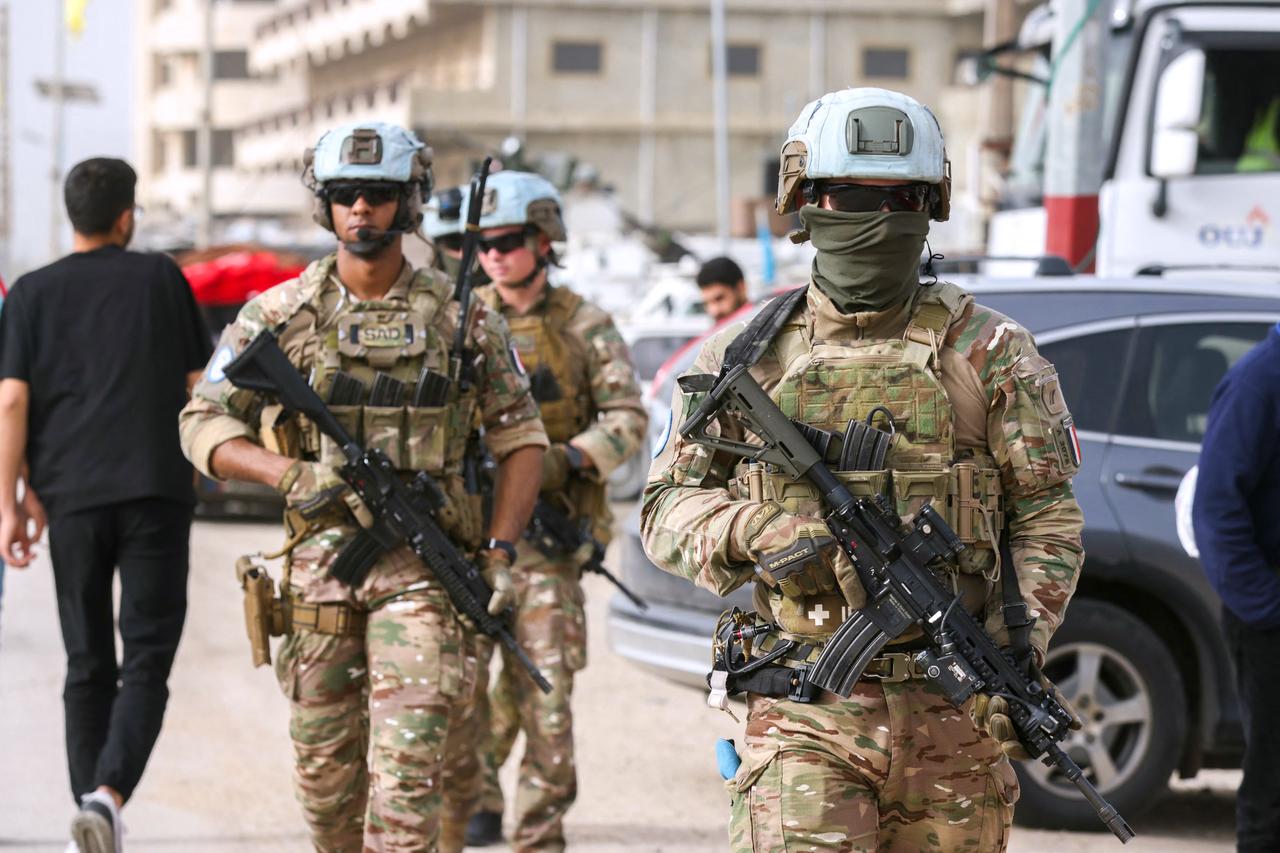
France and Lebanon are advocating for the continuation of the UN Interim Force in Lebanon (UNIFIL), despite strong opposition from Israel. The call for an extension is outlined in a letter sent to the UN Security Council, emphasizing the need for a temporary prolongation of UNIFIL’s mandate, which is set to end on December 31 this year.
Calls for Continued Support Amid Tensions
The Lebanese government argues that ending the mission now would be “premature.” The letter reflects concerns over the current security dynamics in Lebanon and the broader Middle East, emphasizing that a withdrawal could lead to instability. France has rallied support from most Security Council members for this request, but Israel remains adamantly against the extension, viewing UNIFIL’s operations as ineffective in preventing Hezbollah’s military buildup in southern Lebanon.
The situation on the ground remains tense, as Israeli forces continue to occupy parts of southern Lebanon, conducting airstrikes in response to Hezbollah activities. This conflict, which reignited with Hezbollah earlier this year, illustrates the ongoing challenges in maintaining peace in the region. The U.S. previously supported the termination of UNIFIL, but its current stance on a possible extension remains uncertain. Observers note that while U.S. officials are recognizing the necessity of certain UNIFIL responsibilities, a clear plan moving forward is yet to be articulated.
UNIFIL’s Historical Context and Future Prospects
Established in 1978, UNIFIL was tasked with monitoring hostilities between Israel and Palestinian factions in Lebanon. Over the decades, its mission has expanded, incorporating troops from various countries to mediate ceasefires between Israel and Hezbollah. However, the situation has dramatically changed since recent escalations in conflict. In light of the high casualties and ongoing violence, calls for Hezbollah’s disarmament and a complete Israeli withdrawal have been central to recent U.S.-brokered ceasefire agreements.
Despite UNIFIL’s presence, Lebanon has experienced significant turmoil, particularly following escalating hostilities linked to regional dynamics involving Iran. Recent statements from UNIFIL officials indicate that operations will officially conclude by December 31, 2026, leaving the possibility for the Security Council to explore alternative arrangements, including monitoring and assisting the Lebanese army.
Emerging Solutions and Regional Cooperation
In the event that UNIFIL’s mandate cannot be extended, Lebanon is open to alternative international assistance. President Joseph Aoun expressed his willingness to accept support from “brotherly or friendly” nations to ensure continued stability in the southern regions. Noteworthy is Türkiye’s interest in participating in future peacekeeping initiatives—a stance reiterated by President Recep Tayyip Erdogan during a high-profile meeting with Aoun. This indicates a potential shift in regional dynamics and the possibility for new collaboration to support Lebanon’s sovereignty and security.
The current push to maintain UNIFIL underlines the ongoing complexities and geopolitical stakes in the region. As Lebanon grapples with the ramifications of both domestic challenges and external pressures, the future of international peacekeeping efforts remains a critical concern. With discussions unfolding about the potential for alternative missions, the forthcoming decisions by the Security Council will significantly influence the area’s stability and peace.