
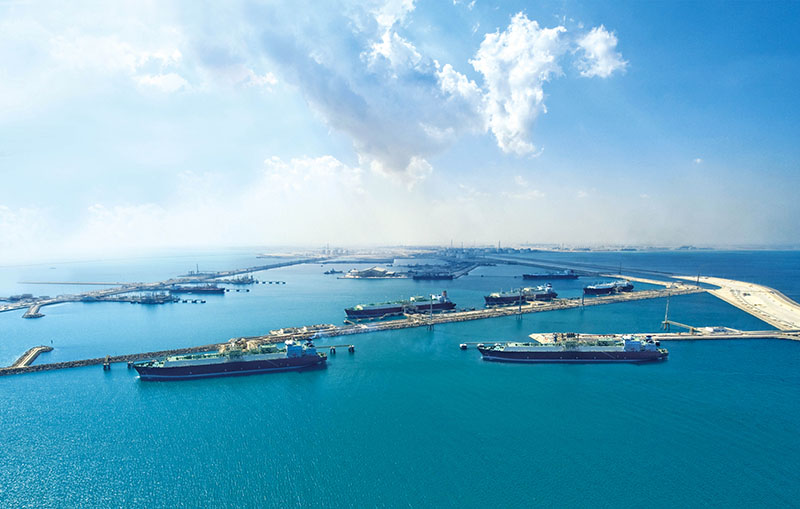
QatarEnergy is actively negotiating with several American liquefied natural gas (LNG) producers to finalize long-term supply contracts that would extend until 2031. These discussions are crucial for QatarEnergy as they aim to recover from production capacity losses sustained due to recent attacks on its Ras Laffan facilities. Reports from industry experts indicate that the company is focusing on securing a stable supply of LNG amidst ongoing market volatility.
Supply Agreements with Key Players
The negotiations involve prominent U.S. companies such as Venture Global, Cheniere, and Woodside. QatarEnergy intends to secure between 2 and 3 million tons of LNG annually through these agreements. This move marks a significant shift in QatarEnergy’s strategy, as it had previously depended on purchasing LNG cargoes from the spot market to meet its commitments to Asian clients. Long-term contracts will provide more stability and certainty regarding supply volumes.
Impact of Regional Conflicts
The Ras Laffan facilities were adversely affected by Iranian military actions in March, damaging two of the company’s 14 LNG production trains and impacting its gas-to-liquids facility. CEO Saad Al Kaabi stated that repairing the damage could take three to five years, resulting in a significant loss of approximately 12.8 million tons per year in production capacity. Since the onset of these disruptions, QatarEnergy has consistently renewed its force majeure notices, which have now been extended through November, reflecting ongoing uncertainty in the region.
Pressure to Secure Alternatives
Typically, around 80% of Qatar’s LNG exports are directed towards Asian markets. The current instability has put immense pressure on QatarEnergy to find alternate supply channels. As a response, some Asian LNG buyers are exploring new sources to make up for potential shortages from Qatar. Industry analysts are closely monitoring various scenarios regarding the duration of the disruption and the availability of Qatari LNG.
The Future of Qatar’s LNG Market
Given these circumstances, QatarEnergy is likely to pursue all available options to secure additional LNG volumes. Industry insiders suggest that the company must act quickly to compensate for declining production capacity and address increasing demand. As the geopolitical landscape evolves and market conditions fluctuate, long-term supply agreements will be pivotal for both QatarEnergy and its clients in maintaining stability in the global LNG market.