
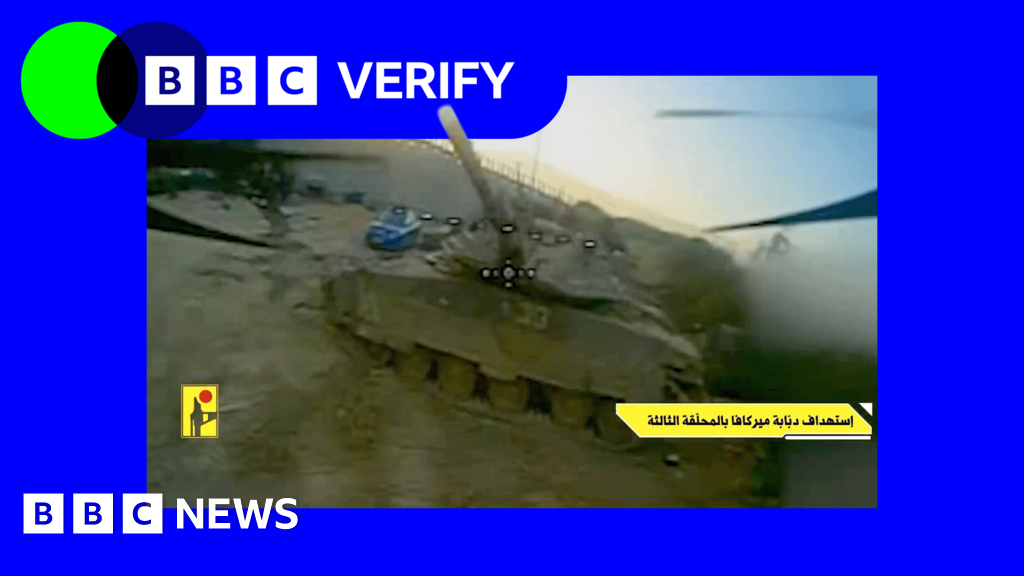
The realm of modern warfare has become increasingly complex, with technology playing a significant role in how conflicts are conducted. One of the latest advancements to emerge on the battlefield is the use of fibre-optic drone attacks, which has drawn the attention of various media outlets and security analysts alike.
Understanding Fibre-Optic Drone Technology
Fibre-optic drone technology is revolutionizing the way military operations are carried out. These drones are equipped with advanced sensors and cameras that utilize fibre-optic cables for high-speed data transmission, allowing them to relay real-time information back to operators. This capability enhances situational awareness, enabling military forces to make informed decisions rapidly. As a result, the use of fibre-optic drones has become increasingly popular among various armed groups, including those in conflict zones like Lebanon.
The Role of Lebanese Armed Groups
In recent months, the Lebanese armed group has increasingly adopted fibre-optic drones for their operations. This strategic move signifies a shift in how these groups engage their adversaries. By employing drones equipped with fibre-optic technology, they can conduct surveillance and carry out precise strikes with minimal risk to personnel. This method not only enhances their operational efficiency but also presents significant challenges for opposing forces who may not be prepared to counter such advanced tactics.
Verification of Drone Attack Footage
The use of fibre-optic drones has prompted scrutiny from various sources. Organizations like BBC Verify have taken it upon themselves to thoroughly examine numerous videos documenting these drone attacks. Their investigations aim to verify the authenticity of these clips, providing critical insights into the effectiveness and impact of these operations. By scrutinizing the footage, experts can assess the tactical advantages presented by the technology and its implications for future conflicts.
The Future of Warfare
As fibre-optic drone technology becomes increasingly integrated into military operations, its implications for the future of warfare are profound. The ability to conduct real-time surveillance and targeted strikes with such precision suggests that traditional modes of combat may be forced to evolve. This shift could potentially redefine strategic approaches to warfare, compelling nations and groups to adapt rapidly or risk being outmaneuvered. The advent of such technology underscores the necessity for ongoing analysis and discussion surrounding military tactics in a digital age.
In summary, the rise of fibre-optic drones exemplifies the changing landscape of warfare, particularly within the context of regional conflicts involving groups like those in Lebanon. As verified information emerges about these operations, it becomes evident that technology will continue to shape the tactics and strategies employed in combat. Understanding these advancements is crucial for comprehending the dynamics of modern conflict and preparing for future developments in military engagements.