
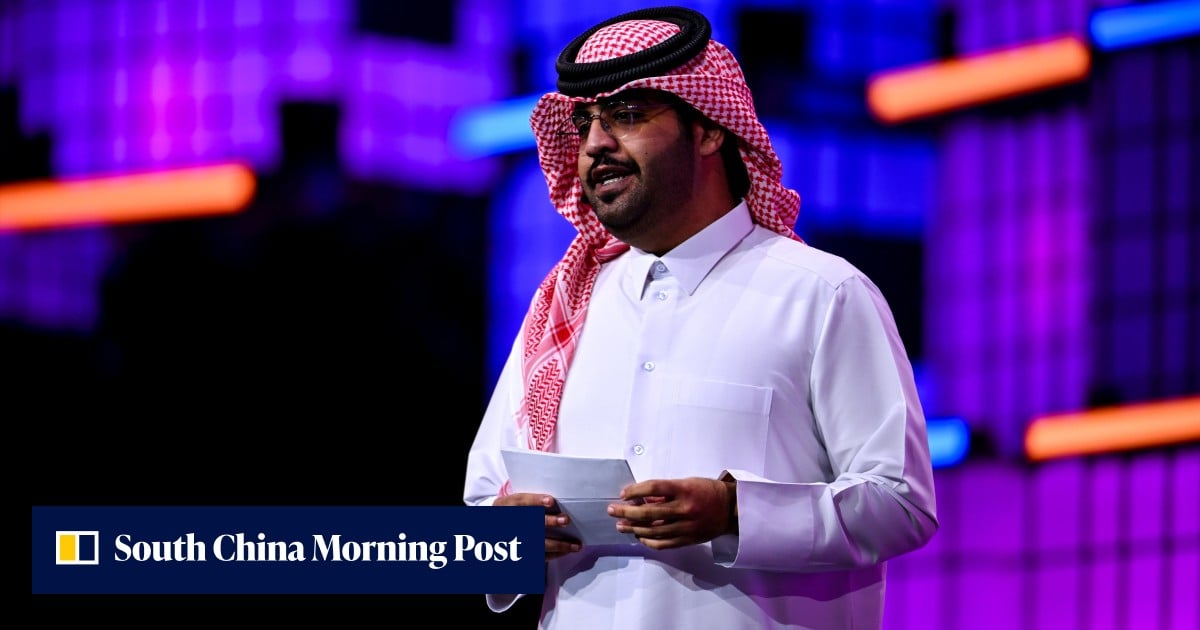
Qatar is actively enhancing its appeal to Chinese firms as increasing tensions involving Iran create disruptions in Gulf trade routes. This situation has intensified the urgency for Chinese businesses to diversify their supply chains and establish operations closer to their customer base.
Growing Presence of Chinese Companies
In recent years, Chinese businesses have made significant strides in the Middle East. Brands like SHEIN, Temu, and AliExpress have expanded their market footprint alongside sectors such as electric vehicles, technology, and general consumer goods. Companies are shifting from merely shipping products from China to maintaining local inventories and making direct sales in the region. This transition, while beneficial, presents new operational challenges that businesses must navigate effectively.
The Shift Toward Local Operations
As more Chinese firms adapt to a more localized approach in the Gulf markets, they find themselves in a complex operating landscape. “China possesses the most sophisticated supply chain globally,” noted Sheikh Khalifa bin Salman Al Thani, a prominent member of Qatar’s ruling family and the CEO of WareOne. “The key issue is not whether goods can move but who is managing the operations at the receiving end, particularly within the Gulf Cooperation Council (GCC).”
Navigating Regulatory Challenges in the GCC
The six countries that comprise the Gulf Cooperation Council have differing regulations, tax structures, and requirements for product registration. These variations can complicate matters for foreign companies trying to establish a presence in the region. Additionally, businesses may need to partner with local entities, engage customs agents, and set up warehouses, fulfillment centers, and delivery networks to function effectively within these markets.
The Future of Trade Relations
As the geopolitical atmosphere evolves, Qatar is positioned to play a pivotal role as a hub for Chinese firms seeking stability and reliable trade routes. Sheikh Khalifa’s insights suggest a growing recognition that understanding local regulations and building a robust infrastructure are crucial for successful operations. The future of trade relations looks promising, especially as both Qatar and Chinese companies continue to explore mutually beneficial avenues for growth.
In summary, amid the shifting dynamics of the Gulf region influenced by external geopolitical factors, Qatar’s efforts to attract Chinese companies could result in a prosperous partnership. By focusing on local operations and addressing regulatory challenges, both parties stand to gain significantly from these evolving trade relations.