
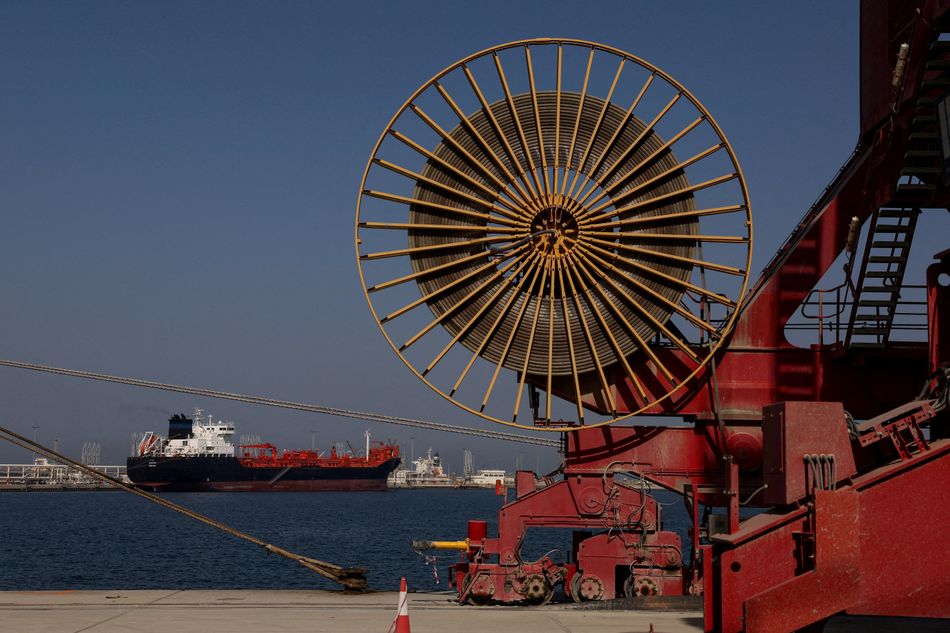
Marine bunker fuel sales at the Port of Fujairah in the United Arab Emirates have seen a slight decline in August following a recovery in July. This downturn is primarily attributed to ongoing supply issues caused by the regional conflicts. The current sales figures indicate that volumes remain significantly lower than the pre-war levels, which surpassed 600,000 metric tons.
Bunker Fuel Sales Data: August Overview
According to the latest reports from the Fujairah Oil Industry Zone, total bunker sales, excluding lubricants, reached 225,767 cubic meters (approximately 224,000 metric tons) in August. This figure reflects a decrease of about 3% from the previous month. The data underscores the ongoing challenges faced by the maritime fuel market in the region, particularly in light of geopolitical tensions.
Interestingly, sales of low-sulphur residual bunker fuel experienced a modest increase in August, rising by 3% to 149,272 cubic meters. In contrast, high-sulphur residual bunker sales fell significantly, dropping 17% to 58,339 cubic meters during the same period. This trend indicates a potential shift in market preferences towards lower-sulphur options amidst increasing environmental regulations and changing international standards.
Performance of Marine Gasoils
The performance of marine gasoils also varied across different categories. Sales of low-sulphur marine gasoil increased by 11%, amounting to 18,045 cubic meters. However, sales of other marine gasoils faced a sharp decline of 34%, totaling only 111 cubic meters in August. This mixed performance highlights the fluctuating dynamics of the bunker fuel market in response to both supply disruptions and evolving regulatory pressures.
The market share data reveals a noteworthy shift as well. Low-sulphur bunker fuel saw its market share expand to 74% in August, up from 70% in July. Conversely, high-sulphur bunker fuel’s market share decreased to 26%, down from 30%. These changes further illustrate the industry’s adaptation to new regulations aimed at reducing emissions and promoting cleaner fuel options.
Conclusion: Future Implications for Bunker Fuel Sales
The ongoing decline in bunker fuel sales at Fujairah port raises concerns about the future of maritime fuel supply in the region. With geopolitical tensions exerting pressure on fuel availability, it remains crucial for stakeholders to monitor these developments closely. The increasing preference for low-sulphur options may present opportunities for the market to pivot towards more sustainable practices, although the immediate outlook remains uncertain.
As the situation develops, it will be essential for industry participants to adapt to these shifts actively. Embracing environmentally friendly solutions while navigating supply constraints will be key to sustaining performance in the competitive landscape of marine fuel sales. Overall, navigating the complexities of the current geopolitical landscape will be critical for stakeholders in the bunker fuel market as they seek to align their strategies with evolving market conditions.