
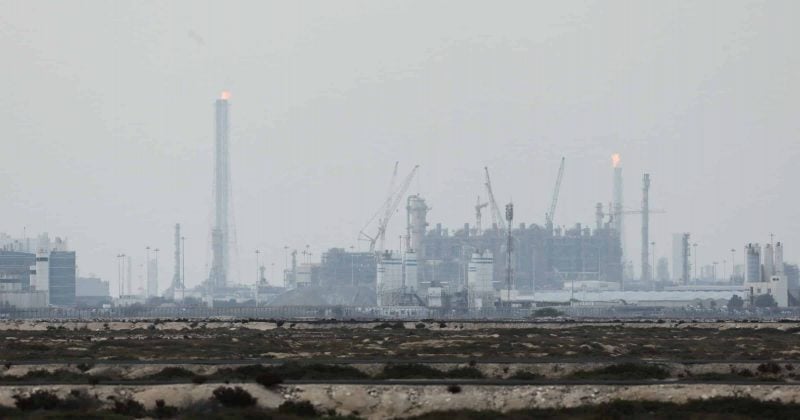
Qatar plays a pivotal role in the global liquefied natural gas (LNG) market, accounting for about 20% of the trade. However, recent events have resulted in a significant halt of its exports for nearly two months. The closure of the Strait of Hormuz, along with missile attacks on the Ras Laffan industrial area, has led to one of the most serious disruptions of energy supply in recent history.
### The Extent of the Impact
Ras Laffan is the largest hub for LNG production worldwide, responsible for handling nearly a fifth of all global exports. The damage inflicted by missile strikes is considerable, and experts predict that full restoration could take anywhere from three to five years. This disruption comes at a time when U.S. LNG exports are already nearing their upper limits, hovering around 18 billion cubic feet per day. Due to this constrained capacity, there is little opportunity for the U.S. to compensate for the loss of Qatar’s output, putting the global gas market in a precarious situation with a noticeable supply shortfall.
As a result, LNG prices in major markets, particularly Europe and Asia, have surged dramatically. These increases are just a glimpse of more profound economic shifts that could unfold if the situation persists. Qatar’s finance minister, Ali bin Ahmed Al Kuwari, indicated that we may only be seeing the “tip of the iceberg” concerning energy cost inflation. If the disruptions continue, broader macroeconomic effects could arise within a month or two.
### Helium: An Overlooked Crisis
In addition to LNG, Qatar is a major supplier of helium, accounting for approximately 30% of the global market. Helium is vital for various applications, including semiconductor manufacturing, MRI machines, and even rocket propulsion systems. The disruption of helium exports alongside LNG has the potential to create a severe shortage in industries reliant on this resource. Semiconductor manufacturers that depend on helium for cooling and purging during chip production could experience significant challenges, further aggravating supply chain issues.
### Repercussions for Cryptocurrency and Digital Assets
The consequences of rising global energy prices stretch into the cryptocurrency sector as well. Increased costs for mining operations can squeeze profit margins, particularly for miners in regions where electricity is generated from natural gas. This trend could drive many smaller operations out of the market, leading to greater consolidation as larger, more well-capitalized miners take over. Historically, such market conditions have led to a concentration of hash rates among a few dominant players.
Moreover, if the semiconductor industry faces constraints due to helium shortages, the availability of specialized mining hardware—like ASICs for Bitcoin and GPUs for AI applications—could further diminish. This tightening of supply would result in increased costs and more difficulty in acquiring new mining equipment, serving as another hurdle for hash rate growth.
With estimates indicating that Qatar’s primary export facility may take three to five years to fully restore, this issue represents more than just a temporary setback. Energy markets, as well as commodity and digital asset markets, will inevitably need to adapt to this long-term structural shift. The ramifications are extensive, highlighting the interconnectedness of global energy supply and the technologies that rely on stable energy prices. Companies and investors alike must remain vigilant and responsive to these developments as they continue to unfold.