
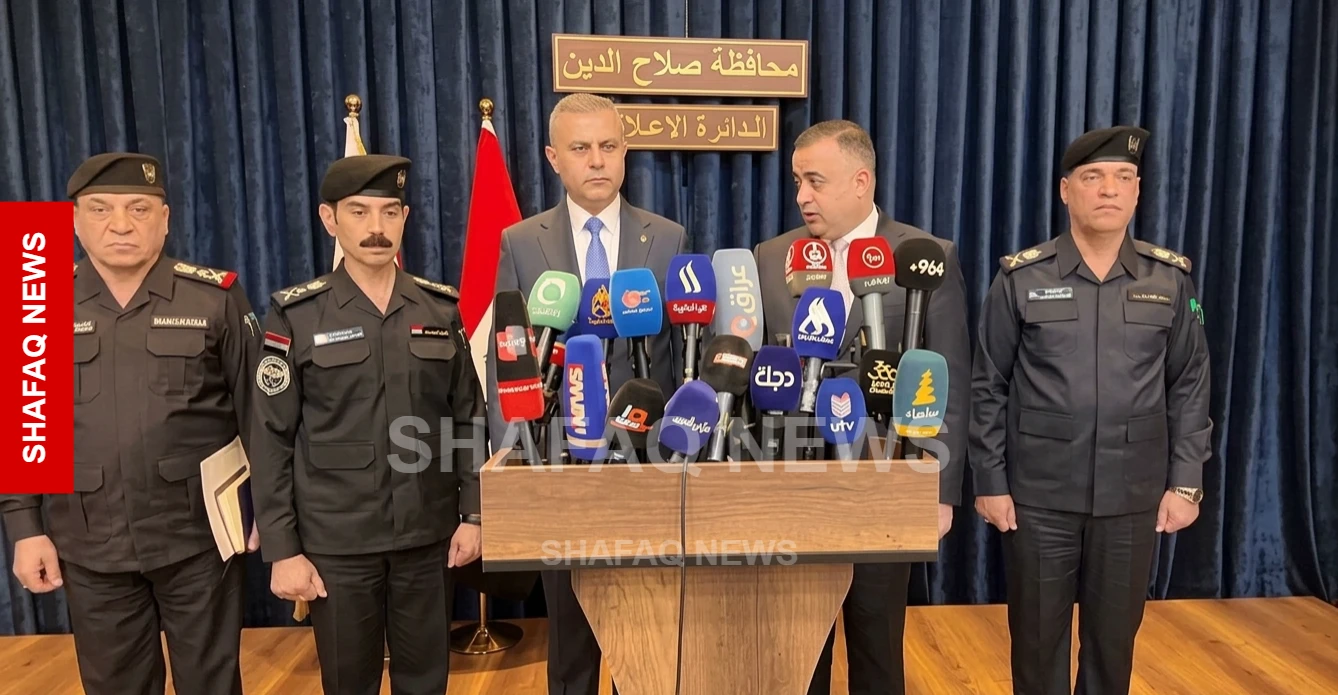
The Iraqi Interior Ministry is taking significant steps to enhance security across the nation, with Saladin province set to be among the first to transition to full local oversight. This strategic move follows years of difficulty, particularly during the ISIS crisis, and aims to strengthen day-to-day security operations throughout various provinces.
Shifting Security Responsibilities
In the wake of the ISIS invasion in 2014, military units had assumed expanded roles in maintaining stability within urban areas. The Iraqi government has progressively worked towards transferring control of these responsibilities back to the Interior Ministry and local police forces. This shift not only allows military units to refocus on their primary defense duties but also empowers local authorities to better manage community security. Senior Deputy Interior Minister Hussein al-Awadi announced that Saladin will see this operational transition within a few weeks to months, which marks a critical step in re-establishing civilian governance over security matters.
Currently, the Interior Ministry is already managing security in multiple provinces, with logistical arrangements being made for a broader rollout, focusing on areas such as al-Anbar, Nineveh, and Baghdad. The goal is to finalize this nationwide security transfer by the year 2026, enhancing safety and reducing the reliance on military intervention.
Regulating Firearms and Enhancing Safety
A key part of the ministry’s strategy involves regulating the possession of firearms. As of now, approximately six million weapons have been registered as part of an initiative to restrict firearm ownership to legally sanctioned state entities. This effort is not only critical in managing firearms but also essential in curbing crime, as Al-Awadi noted that the ministry has shifted priorities from combating terrorism to addressing broader criminal activities.
The emphasis on regulation comes as part of a broader safety agenda that seeks to provide residents with a more secure living environment. By ensuring that weapon ownership is controlled and monitored, the Interior Ministry aims to reduce violence and foster a sense of safety among citizens.
Addressing Drug Trafficking and Border Security
In addition to weapon regulation, the Iraqi Interior Ministry is actively combatting drug trafficking, which remains a significant challenge. Al-Awadi highlighted recent operations that have extended beyond the nation’s borders, employing advanced technologies for tracking narcotics, especially in areas like Saudi Arabia. These measures are indicative of a commitment to interdict drug trade networks both domestically and internationally.
Moreover, there have been enhancements to border security infrastructure, with modern equipment being installed at key crossing points. This investment aims to empower the ministry to better monitor and control trafficking activities while also facilitating legitimate trade.
The integration of these multiple facets—restructuring security responsibilities, regulating firearms, and tackling drug trafficking—illustrates a comprehensive approach to restoring stability and security in Iraq. As the Interior Ministry continues to make strides towards these goals, the overall safety of provinces like Saladin will be pivotal in demonstrating the efficacy of these reforms.