
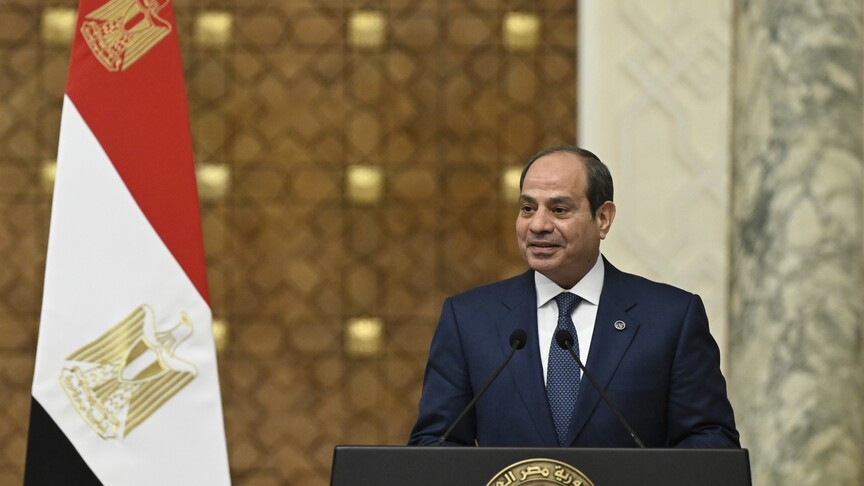
Egyptian President Abdel Fattah el-Sisi emphasized the significance of Iraq’s role in enhancing collective security among Arab nations during a recent meeting with Ammar al-Hakim, leader of the Hikma Movement. With ongoing regional tensions, Sisi’s remarks underline the need for cooperation in safeguarding the resources and stability of the region.
Strengthening Regional Security
During the meeting, which took place in the presence of Egyptian General Intelligence chief Hassan Rashad and Iraqi Ambassador to Cairo Qahtan Taha Janabi, Sisi conveyed the necessity of Iraq maintaining a constructive role in the Arab world. This sentiment comes amidst escalating tensions stemming from the recent US-Iran conflict, which began in late February. Aligned groups in Iraq have targeted other Arab nations, actions that were condemned by Baghdad, prompting investigations into these attacks.
The discussions centered around the current geopolitical landscape, assessing its repercussions on Egypt and Iraq specifically. Sisi took the opportunity to highlight Egypt’s ongoing diplomatic efforts aimed at alleviating tensions in the region. His focus was on preventing a possible escalation of violence and ensuring stability by fostering cooperative security measures among Arab countries.
Diplomatic Initiatives and Peace Efforts
A key point of discussion was the Islamabad Memorandum of Understanding, signed by Washington and Tehran on June 17, which intended to halt military operations and restore navigation through the crucial Strait of Hormuz. However, the implementation of this agreement faced challenges due to disagreements related to its stipulations, leading to a resurgence of hostilities in July amid continued international peace efforts.
Moreover, the meeting addressed Egypt’s commitment to supporting the Palestinian people. Sisi spoke about initiatives aimed at advancing the second phase of the Sharm el-Sheikh agreement, as well as the broader US peace plan. These efforts include facilitating aid and increasing humanitarian relief in the Gaza Strip, an area severely impacted by ongoing conflict since October 2023.
The Humanitarian Crisis in Gaza
The humanitarian situation in Gaza is dire. Palestinian figures report around 1,408 casualties and 4,916 injuries due to Israeli violations of the ceasefire since October 2025, contributing to a growing overall death toll of 73,928, with 175,030 reported injuries. Tragically, a significant portion of the casualties include women and children, highlighting the devastating impact of the ongoing conflict on civilian populations.
Israel’s military actions have led to the destruction of approximately 90% of Gaza’s civilian infrastructure, with the United Nations estimating the cost of reconstruction to be around $70 billion. As the situation continues to unfold, Egypt’s ongoing diplomatic and humanitarian efforts will be crucial in addressing the escalating crisis and fostering a more stable and secure regional environment.
By urging Iraq to take a proactive role in bolstering Arab security, Sisi is fostering a vision for collective stability that addresses both immediate regional tensions and long-term humanitarian needs. This approach underscores the interconnected nature of security and humanitarian dimensions in the Middle East, emphasizing the urgent need for collaborative solutions.