
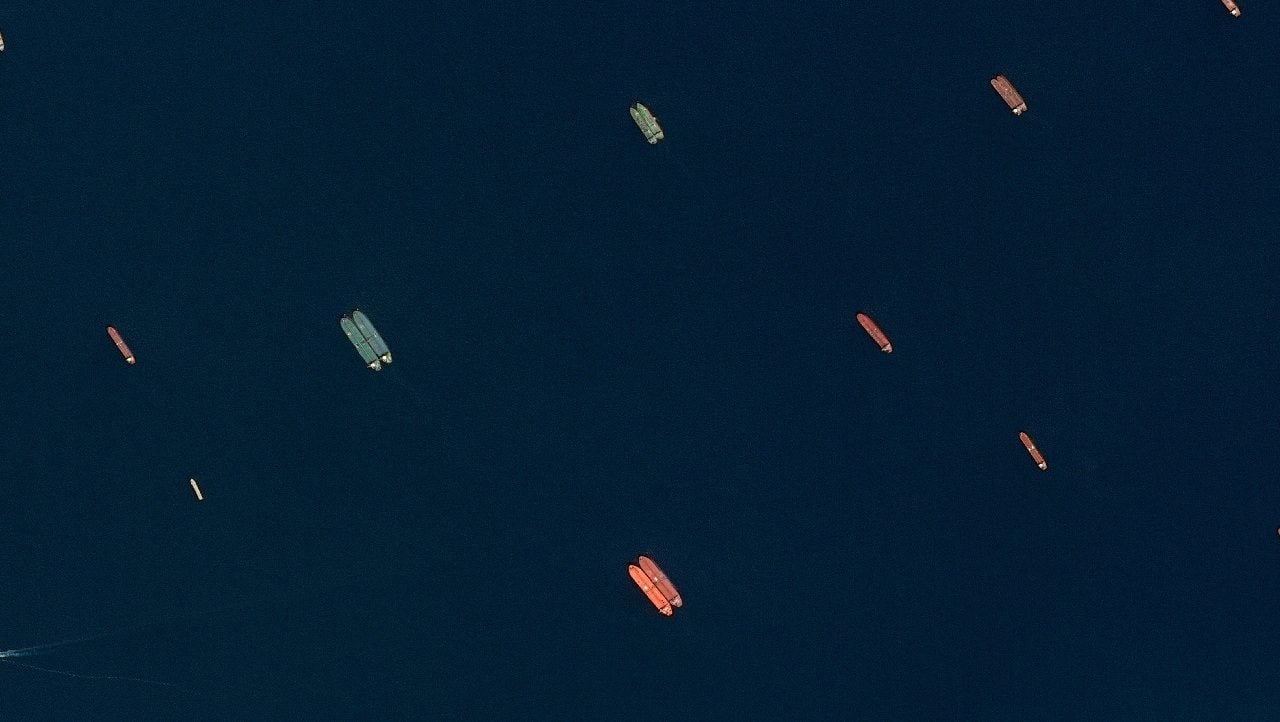
Singapore, September 25 – Ship-to-ship (STS) transfers in the Gulf of Oman, critical for transporting Middle Eastern oil, have reached their operational limits. This situation arises as Saudi Arabia reroutes exports from the Red Sea, creating pressure on shipping logistics due to increased demands from various producers.
Increased Saudi Exports and Shipping Challenges
This month, Saudi Arabia’s surge in exports has led to a growing need for supertankers to facilitate crude oil transitions through the Strait of Hormuz. As the number of available ships dwindles, both shipping costs and transit times have escalated significantly, impacting how swiftly cargo reaches refineries. Following a recent attack on its East-West Pipeline on September 13, state-run Saudi Aramco has reported over 60 million barrels of crude scheduled for STS transfer off Sohar, Oman. This unexpected shift has intensified the strain on shipping resources.
Data from analytics company Kpler indicates that Saudi oil exports through Hormuz are projected to rebound sharply to approximately 3.6 million barrels per day (bpd) in September, compared to only about 900,000 bpd in August. This nearly three-million-bpd uplift will necessitate between 36 to 40 additional very large crude carriers (VLCCs) to manage the flow, as each vessel possesses the capacity to carry around 2 million barrels. These requirements reflect the complexities and pressures that shippers face in optimizing transport logistics.
Demand for Tankers Soars Amid Congestion
In light of escalating demands, Anoop Singh, the head of global shipping research at Oil Brokerage, states that the required number of VLCCs has jumped from 24 in August to around 40 this month. This increased demand translates to 15 additional VLCCs needed solely for shuttle operations. The situation is exacerbated by around 20 VLCCs currently stranded in the Mediterranean, awaiting the reopening of the Yanbu terminal. Consequently, daily charter rates for VLCCs transporting oil to China have skyrocketed, hitting a record high of $1.27 million.
Moreover, the upsurge in Saudi oil volumes coincides with increased exports from other Gulf nations like Iraq and the UAE, further straining STS services around Hormuz. Traders report lengthy queues for essential equipment, including tugboats and labor resources. Historically, oil cargoes from these producers, except Iran, were directly lifted by buyers before the commencement of the current regional conflict.
As Vortexa analysts assert, VLCC STS operations are struggling to accommodate this increased demand. STS volumes for VLCCs loading crude from western ports of Hormuz have remained stagnant at around 6 million bpd since late August, translating to only three VLCC pairs commencing STS operations daily. Moreover, congestion near the Strait is worsening, with STS operations now requiring nearly ten days to complete, up from the previous timeframe of five to seven days.
Seeking Alternative Solutions for Cargo Transfers
These delays have prompted numerous buyers, particularly in China, to explore alternative STS locations, such as off the west coast of India or in Malaysia, or even direct delivery to refineries. For instance, the VLCC Gold Shine, which recently loaded 2 million barrels of Saudi crude, is currently en route to China’s Quanzhou. This region is home to refineries operated by Sinochem and partially by Saudi Aramco.
Refiners like S-Oil from South Korea are also adjusting their operations by sending VLCCs to conduct STS transfers off India’s Vadinar coast. Meanwhile, reports of increased crude cargo transfers off Malaysia’s Linggi transshipment hub hint at potential shifts in how oil is distributed. Industry analysts suggest that utilizing smaller vessels to carry oil from supertankers could prove more economical than direct transport.
As the demand for oil continues to shape shipping logistics, the dynamics within the Gulf region present unique challenges and evolving strategies for exporters and buyers alike.