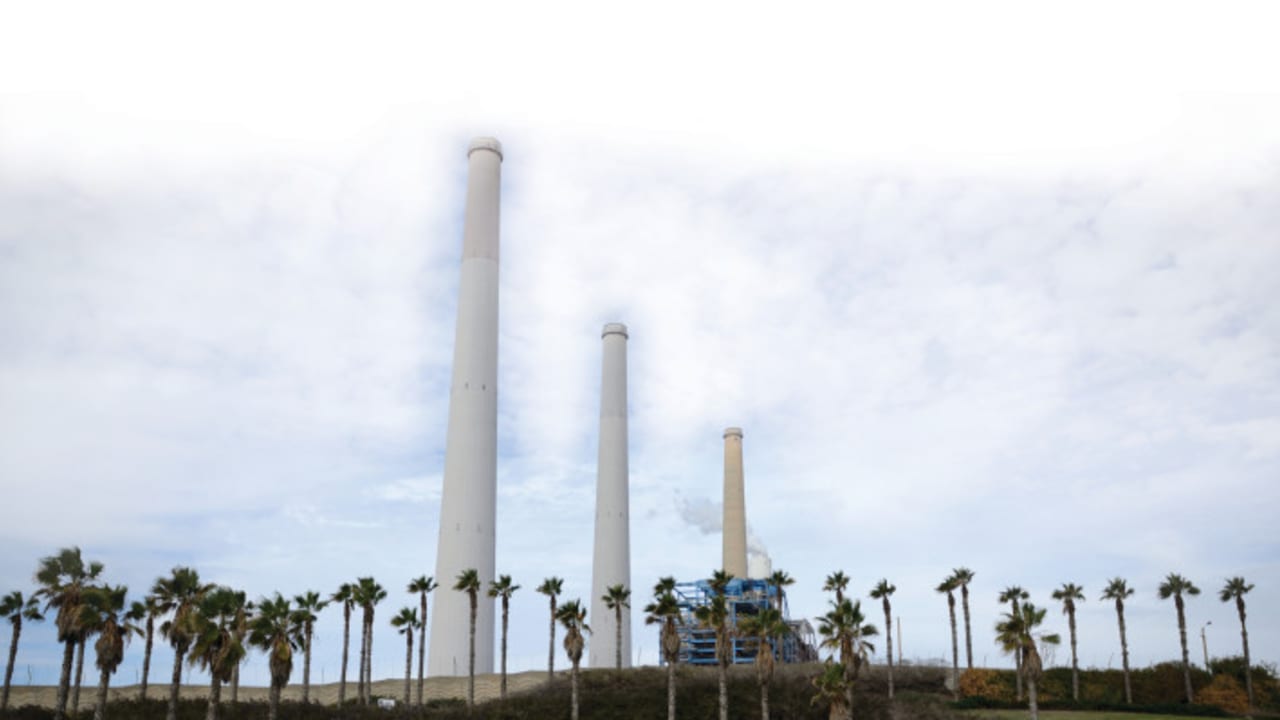
The Israel Electric Corporation (IEC) is implementing a significant initiative to enhance its energy independence by producing vital power plant components domestically using 3D printing technology. This decision arises from the challenges posed by wartime disruptions and unreliable global supply chains, which have hindered procurement from international manufacturers.
Enhancing Energy Resilience
This strategic move is aimed at mitigating reliance on foreign suppliers and accelerating maintenance processes, thus bolstering Israel’s energy resilience, especially during critical operational periods. By developing local manufacturing capabilities, IEC intends to ensure that power plants receive the necessary support swiftly, enabling them to maintain operational continuity even in times of crisis.
Addressing the Challenges of Component Availability
Power plants frequently need specialized components long after their initial setup, making the procurement increasingly challenging due to market scarcity or outdated designs. In response, the IEC is focused on developing local production methods for these complex engineering parts, which will cut down on lead times for repairs and significantly reduce costs associated with sourcing parts from abroad.
According to IEC, importing individual components can take years and cost millions. In contrast, domestic production may lower expenses to tens of thousands of shekels and result in delivery times that shrink to mere weeks, thereby greatly improving response defense against supply disruptions.
Strategic Technology Development
Yossi Rofe, IEC’s Deputy CEO and VP of Generation and Energy, highlighted that developing domestic manufacturing capabilities is a long-standing strategic goal. This initiative capitalizes on Israel’s technological innovation landscape and the expertise of IEC’s workforce. Rofe noted that the company is currently working on a patent for a unique engineering component developed by one of its engineers, showcasing the potential of harnessing local talent in technological advancement.
A major aspect of this initiative is the transition to metal 3D printing. IEC aims to produce components such as steam-piping from specialized steel alloys designed to endure high pressures and extreme temperatures. Although these advanced printing technologies are still in the research phase, IEC is collaborating with local tech firms to create these capabilities within Israel.
Future Prospects
IEC began experimenting with 3D printing several years ago, utilizing polymer printers for research and prototyping. Currently, it has multiple polymer printers actively in operation across its sites in Orot Rabin, Haifa, and Rutenberg. Each component produced undergoes meticulous engineering optimization, which includes detailed design and careful planning of printing parameters and thermal management.
As IEC continues to expand its 3D-printing capabilities, the emphasis will shift towards metal component manufacturing as they gain proficiency with advanced materials and printing technologies. This initiative not only marks a crucial step towards energy independence but also underscores the potential of leveraging innovation to enhance infrastructure resilience in the face of global uncertainties.