
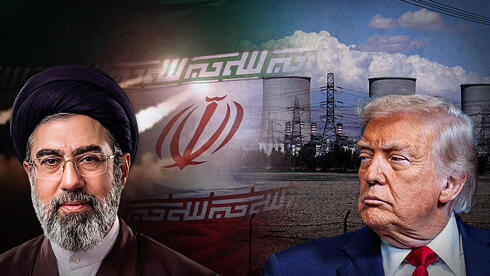
Amid ongoing tensions, Doha has presented a dual-page plan aimed at reconciling Iran’s request for the removal of the U.S. naval blockade with Washington’s insistence on obtaining nuclear concessions from Tehran. However, despite numerous days of negotiation, officials indicate that the discussions have hit a stalemate. While President Trump maintains that Iran will eventually concede, the path forward remains unclear.
Understanding the Blockade and Its Implications
The U.S. naval blockade has long been a significant point of contention between Iran and the United States. It serves to restrict Iran’s access to vital trade routes and resources, effectively putting pressure on its economy. Iran’s demand for an end to this blockade is critical for the country to regain stability and improve its economic situation. The implications of this blockade extend beyond economic issues, impacting regional security and international relations. The request to lift the blockade is not merely a matter of convenience for Tehran; it is viewed as an essential step towards establishing a more favorable diplomatic environment.
The Nuclear Negotiations Dilemma
On the flip side, the U.S. seeks nuclear concessions from Iran, hoping to halt or at least limit its nuclear ambitions. The ongoing negotiations revolve around what specific concessions would be acceptable to Washington while still allowing Iran to maintain some level of autonomy. The complexity of this situation is heightened by both domestic pressures and international scrutiny. This tug-of-war between the two nations underscores the difficulties in reaching a mutually beneficial agreement. Negotiators are tasked with balancing the conflicting demands of both sides, which has proven to be a challenging endeavor.
Current Status of Mediation Efforts
Despite the careful crafting of the two-page proposal by Doha, reports suggest that the mediation efforts have not yielded significant progress. Officials from both sides acknowledge the current impasse, raising questions about the effectiveness of the talks and the role of third-party mediators. Days spent in negotiations have not brought the two camps closer together. The insistence from President Trump that Iran will eventually yield adds another layer of complexity to the proceedings. It reflects a one-sided perspective that may not account for Iran’s own calculations and strategic responses.
The Future of U.S.-Iran Relations
As the situation continues to evolve, the future of U.S.-Iran relations hangs in the balance. Should negotiations remain stalled, both nations could face mounting pressures from various fronts—domestically and internationally. For Iran, the blockade represents a tangible challenge to its sovereignty and economic viability, while the U.S. seeks to ensure regional stability and non-proliferation of nuclear weapons. The unresolved tensions could lead to either a breakthrough, if parties can find common ground, or a deterioration of relations, which would further complicate geopolitical dynamics in the Middle East.
In conclusion, the diplomatic impasse between Iran and the U.S. highlights the intricate challenge of reconciling competing demands. The proposal from Doha aims to create a pathway forward, yet without a willingness from both sides to compromise, it risks further prolonging the stalemate. The coming weeks and months will be critical in determining whether a resolution can be reached or if the current state of affairs will persist.