
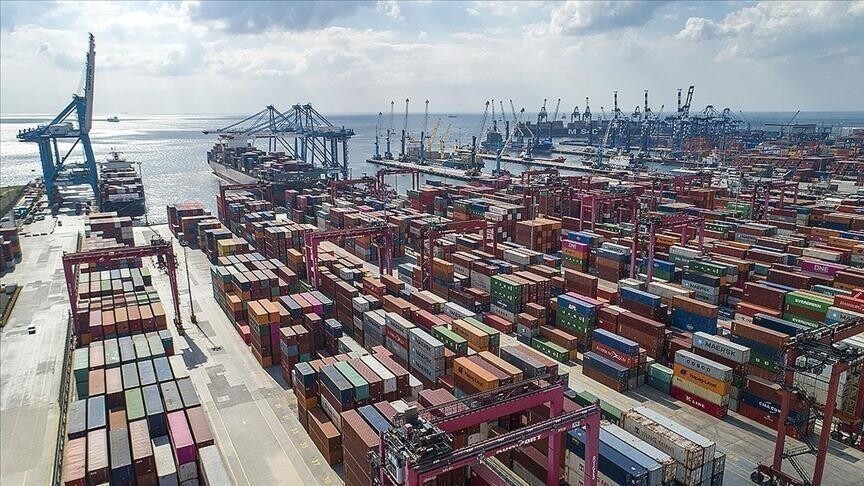
Türkiye’s foreign trade figures reveal significant trends for August 2026, showcasing a narrowing deficit compared to the previous month and offering insights into the country’s economic landscape.
Trade Deficit Overview
In August 2026, Türkiye experienced a foreign trade deficit of $5.24 billion, a notable decrease from $7.3 billion recorded in July. This shift highlights a potential improvement in the country’s trade dynamics, though comparisons to the same month last year indicate a different narrative. Year-on-year, the trade deficit grew by 22.3%, according to the latest statistics from the Turkish Statistical Institute (TurkStat).
Imports and Exports Breakdown
The country’s imports for August totaled $28.71 billion, while exports reached $23.47 billion. This resulted in an export-to-import coverage ratio of 81.7%, indicating that nearly 82 cents of every dollar spent on imports were earned back through exports. Although the coverage ratio reflects a slight improvement, the overall increase in the trade deficit year-over-year suggests persistent challenges in achieving a balance in foreign trade.
Year-to-Date Trade Performance
Analyzing the figures from January to August 2026, the cumulative trade deficit has reached $65.79 billion. During this eight-month period, Türkiye’s exports totaled $185 billion, contrasted by imports amounting to $250.79 billion. The export-to-import coverage ratio for this timeframe was recorded at 73.8%, further underscoring the difficulties the country faces in enhancing its export potential relative to its import needs.
Economic Implications
The widening trade deficit year-on-year poses questions regarding Türkiye’s economic strategies and their effectiveness in boosting competitiveness on the global stage. The increased reliance on imports, especially in critical sectors, raises concerns about long-term sustainability and the need for strategic planning to address imbalances. As policymakers look to rectify these discrepancies, bolstering domestic production and enhancing export capabilities will be essential for improving the trade landscape.
In summary, while August’s trade deficit shows a monthly improvement, the annual increase and year-to-date figures reflect ongoing challenges for Türkiye’s international trade. To foster a healthier trade environment, a focus on strengthening export sectors and reducing dependency on imports will be crucial for future economic growth.