
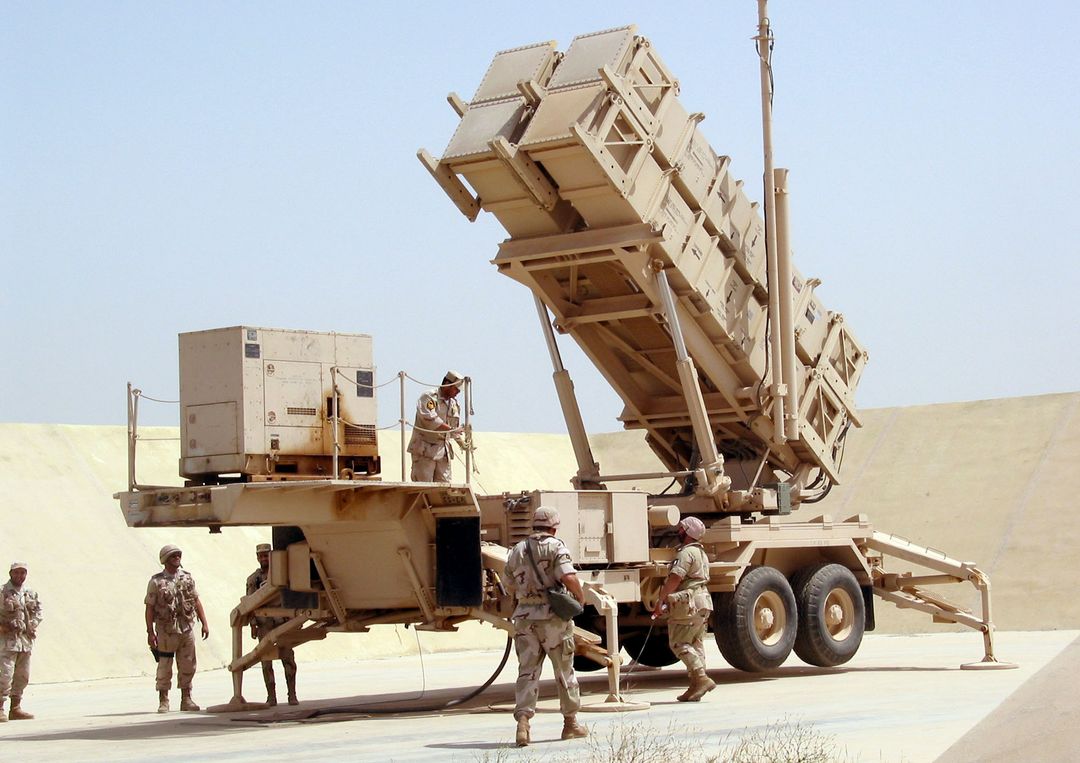
As tensions continue to rise in the Middle East, U.S. officials have revealed that recent appeals played a significant role in the country’s decision to emphasize economic pressure rather than military action. This strategy reflects the complex geopolitical landscape and highlights the need for diplomatic solutions in the region.
U.S. Dependency on Saudi Airspace
A crucial point in the evolving situation is the United States’ reliance on Saudi Arabia for airspace access. Any decision to conduct significant military operations would be contingent upon obtaining permission from Riyadh. However, it is understood that Saudi Arabia would likely hesitate to grant this permission without guarantees that its oil infrastructure will remain secure. This delicate balance underscores the intricate nature of international relations in the region, particularly when energy resources are at stake.
Military Reinforcements in the Region
In a bid to bolster its presence, the U.S. is dispatching additional military assets to the Middle East. Reports indicate that the USS Theodore Roosevelt, an aircraft carrier, has recently departed from San Diego, with plans to arrive in the region around mid-November. Officials are currently assessing whether this deployment will replace an existing carrier or expand U.S. naval power to three carrier strike groups. Such a decision would significantly impact the U.S. military strategy in the area.
Additionally, the Makin Island Amphibious Ready Group, which is transporting thousands of Marines from the 13th Marine Expeditionary Unit, has also set sail for the region and is expected to reach its destination by the end of November. These troop movements illustrate the U.S. commitment to maintaining a strong military presence amid rising tensions.
The Future of U.S. Military Engagement
While the U.S. Central Command has refrained from commenting on specific operational details, the situation remains fluid, with various options being explored. The potential increase in military resources might reflect a willingness to demonstrate strength and deterrence in response to escalating threats in the region. The focus appears to be on safeguarding American interests while also ensuring the stability of allies like Saudi Arabia.
The ongoing military and diplomatic maneuvers signify the U.S. intent to navigate the complexities of regional politics carefully. As the situation develops, it will be imperative for U.S. officials to balance military readiness with the pursuit of diplomatic solutions, all while keeping an eye on the economic ramifications of these actions.
In summary, U.S. officials are increasingly aware of the implications of their military strategies in the Middle East and the importance of engaging diplomatically. The reliance on Saudi airspace and the forthcoming military reinforcements highlight the multifaceted dynamics at play. As the situation evolves, the U.S. must remain vigilant, adapting its strategies to secure both national and allied interests effectively.