
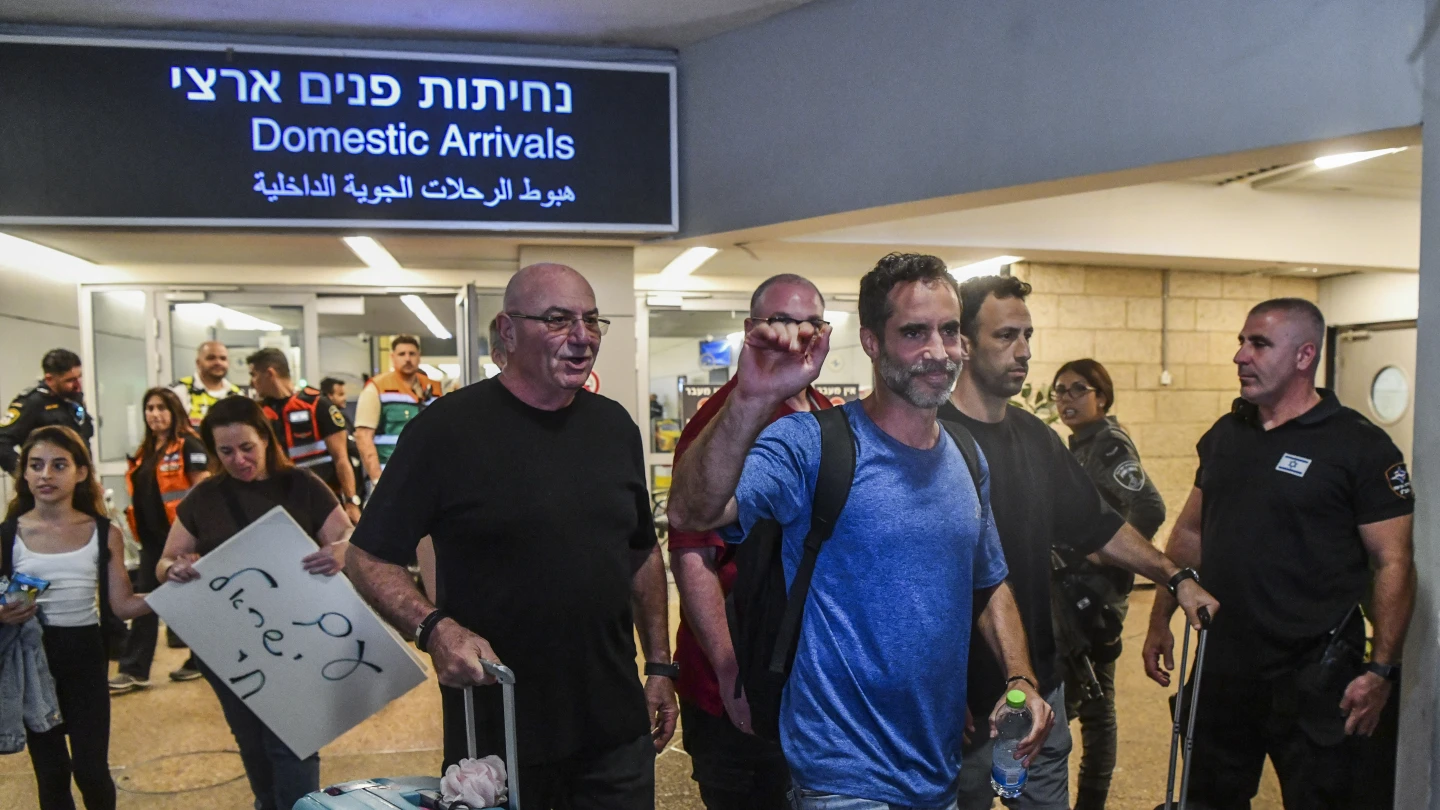
In a recent incident that has captured international attention, a flight from Dubai to Tel Aviv witnessed an extraordinary moment of defiance against historical norms. For generations, Jews in Arab territories have been subject to the oppressive dhimmi status, which relegated them to a position of subservience. However, the events aboard flydubai flight FZ1073 have reframed this narrative, challenging the long-standing perception of Jewish passivity in the region.
Historic Context of Jewish Life in Arab Lands
For over thirteen centuries, Jews in the Arab world were expected to conform to societal norms dictated by the dhimmi system. This meant they lived under constant scrutiny, paying special taxes and often yielding to their Muslim counterparts in public spaces. My family’s ancestral journey through cities like Beirut, Cairo, and Syria is interwoven with memories reflecting this historical constraint. Yet, the recent actions of Jewish passengers aboard a flight over Saudi skies signal a shift: they refused to be passive actors in their own narrative.
The Heroism on Flight FZ1073
Last week, while navigating through the Saudi desert, the passengers of a Dubai-based airline revealed a new chapter in Jewish resilience. Flight FZ1073, carrying 174 individuals, encountered a life-threatening situation when one pilot attacked his co-pilot and attempted to crash the plane. In a bold move, fellow passengers rushed to the cockpit, subdued the assailant, and ensured the aircraft landed safely in Tabuk, Saudi Arabia. This act demonstrated a profound transformation from historical compliance to active defense. Contrarily, many in the West have long been conditioned to remain passive in crises, a lesson painfully highlighted during events like September 11.
The Irony of Modern-Day Dynamics
The irony of this incident lies in its broader geopolitical implications. For years, many have regarded Israelis as outsiders in the Middle East, yet it was these very “foreigners” who saved an aircraft and its occupants. Saudi Arabia’s gracious acceptance of the flight underscores a shift in regional attitudes, even as the nation refused Israel’s request for assistance to retrieve its citizens later on. The initial display of hospitality feels like a small step forward; however, the refusal to allow Israeli intervention reveals an embedded expectation that Jews remain subservient. It echoes the age-old dhimmi sentiment—Jews can be rescued but must never assert their independence.
The Path Forward for Jewish Communities
The recent events aboard flight FZ1073 carry important lessons not just for Jews in the Middle East, but also for Jewish communities worldwide. In many places, particularly in the West, there is a persistent narrative urging Jews to stay low and allow others to handle challenges. However, the bravery of the flight’s passengers offers an urgent message: it is imperative to take action without waiting for validation or permission. Ordinary individuals can become heroes in the face of adversity, as demonstrated on that flight.
Reflecting on a personal history, my father, Shlomo Salim Argalgi, experienced the struggles of Jewish identity in Beirut and passed away without witnessing this pivotal moment. Had he lived to see the defiance displayed by those passengers, he would undoubtedly have recognized the significance of standing up, rather than sitting down in silence. The latest events remind us all: it’s time for Jews everywhere to embrace their strength, not just as a response to past oppression but as a proactive stance in shaping future narratives.