
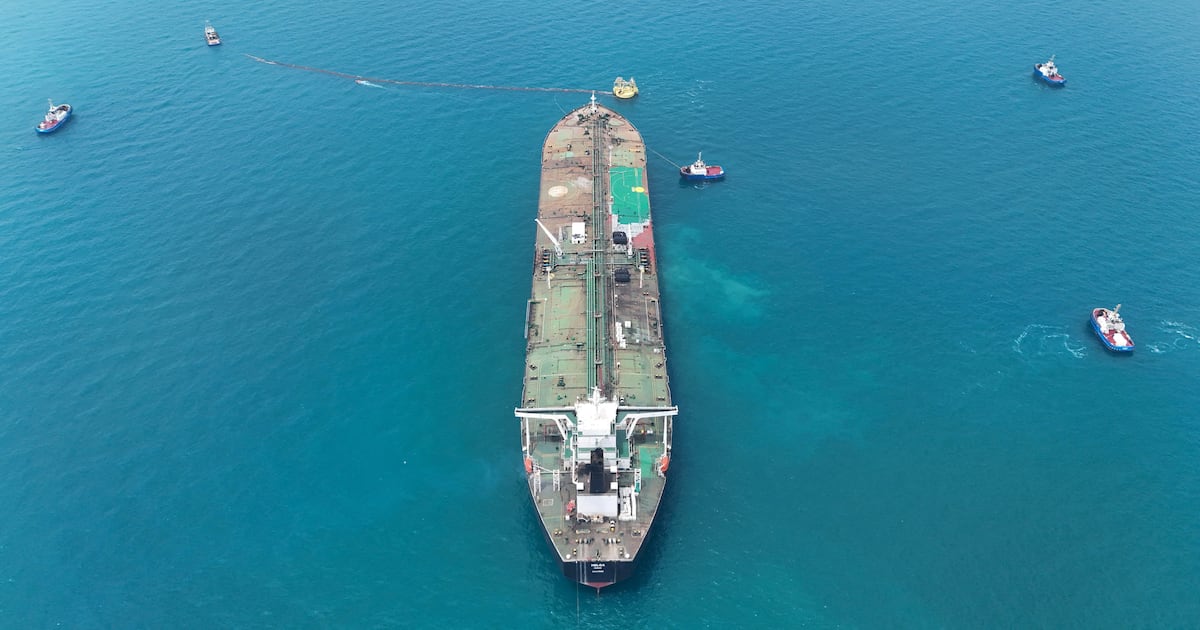
Iraq’s oil sector is navigating a significant transformation as the country’s state oil company undertakes a historic operation. For the first time in decades, Iraq’s state-run oil company has successfully transported crude oil beyond the Strait of Hormuz, a critical passage for oil exports, amidst ongoing regional tensions. This strategic move highlights Iraq’s efforts to adapt to the shifting geopolitical landscape and ensure the continued flow of its vital economic resource.
Historic Crude Oil Shipment
The Iraqi Oil Tankers Company has recently shipped two million barrels of crude using a Very Large Crude Carrier (VLCC), according to statements by the company’s director general, Ali Qais. This shift marks a significant departure from the previous practice of relying on free on board (FOB) shipments from the southern Basra port. By moving oil beyond the Strait, Iraq aims to mitigate the risks posed by rising hostilities in the region, particularly since the outbreak of the Iran war, which has threatened traditional shipping routes.
The strategic nature of this shipment was underscored by the company’s proactive approach in securing a VLCC, enabling the State Oil Marketing Organisation (SOMO) to capitalize on more favorable sales and pricing conditions. The operation also reflects discussions between the Iraqi Oil Tankers Company and specialized firms aimed at acquiring and owning crude tankers. This initiative is expected to strengthen Iraq’s competitive edge in the oil market and provide greater autonomy in managing its oil exports.
Economic and Security Challenges
Iraq faces a profound economic and security crisis as it tries to stabilize its oil production amid escalating conflict. The country, which is OPEC’s second-largest producer, relies on oil sales for over 90 percent of its state revenue. Prior to the war, Iraq’s daily exports averaged around 3.3 million barrels, predominantly shipped via the southern terminals through the Strait of Hormuz. However, with Iran’s increased military operations disrupting this narrow waterway, Iraq has been forced to rethink its export strategy.
These disruptions have not only forced Iraq to consider alternative routes for oil shipments—such as reopening the Iraq-Turkey pipeline and transporting crude to Syria—but have also led to increased pressure on SOMO to offer discounts for Basra loading. Such pricing strategies have forced buyers to demand deliveries outside the strait, highlighting the urgent need for Iraq to adapt to the challenges posed by the ongoing war.
Future Plans and Strategic Adjustments
Despite these difficulties, Iraq’s oil ministry is optimistic about the country’s export capabilities. Recent reports suggest that Iraq has managed to maintain an average export rate of three million barrels per day. Oil Minister Bassim Khudair has outlined plans to increase this capacity to five million barrels per day, contingent upon the completion of crucial strategic pipelines and the renovation of existing export facilities.
The investment in VLCCs marks a shift in Iraq’s approach to handling oil shipments, signaling a broader strategy designed to ensure reliability in deliveries and mitigate risks associated with regional instability. Additionally, by rebuilding its tanker fleet, Iraq can regain more control over its oil operations, which have been historically hampered by wars and sanctions in the past.
In summary, Iraq’s recent oil shipment beyond the Strait of Hormuz demonstrates a pivotal shift in strategy aimed at ensuring economic stability amid ongoing geopolitical turmoil. By embracing new transportation methods and exploring potential investments in assets like VLCCs, Iraq aims to safeguard its primary revenue source while navigating a complex landscape marked by conflict and competition. As these developments unfold, the nation is poised to reaffirm its position as a key player in the global oil market.