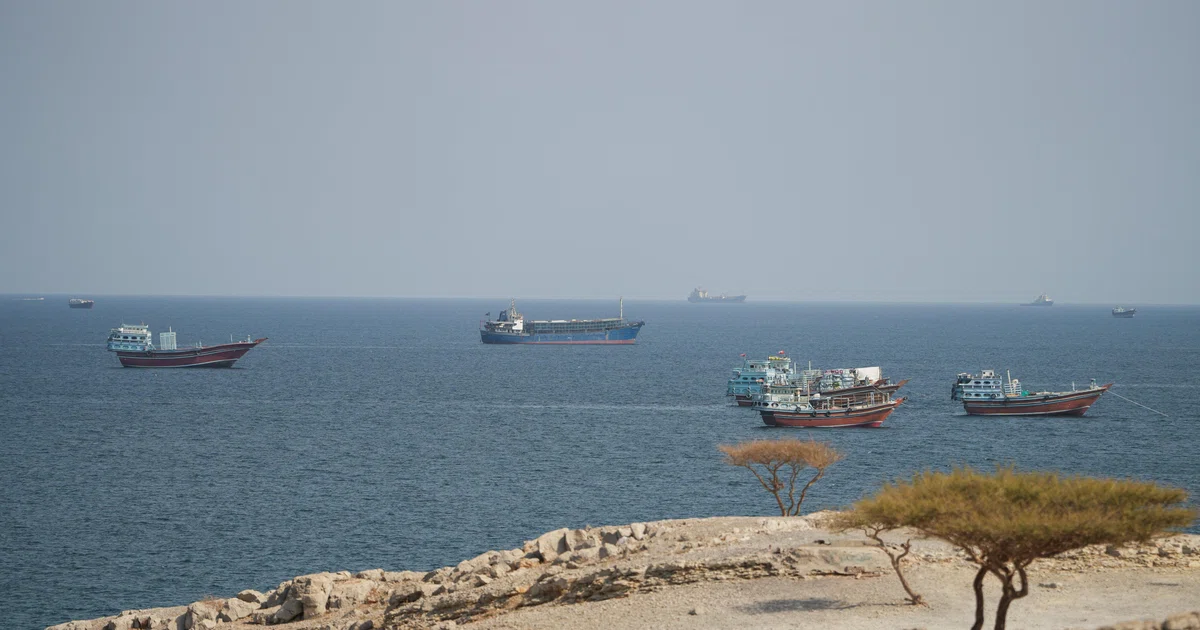
Iraq is taking significant steps to enhance its oil export capabilities, particularly through the transit of crude oil beyond the critical Strait of Hormuz. This strategy aims to reach refiners who are hesitant to send their vessels through the strait, a crucial area for oil transportation in the Middle East.
The Historical Significance of the VLCC Shipment
Iraq’s state-owned tanker company has successfully chartered a Very Large Crude Carrier (VLCC) to transport two million barrels of oil beyond the Strait of Hormuz. This marks a pivotal development, as it represents the first instance in decades that Iraqi Oil Tankers have taken such an initiative. According to Ali Qais Abdul Jabbar, the company’s director general, this step has been announced via a video shared on the Oil Ministry’s official social media channels.
Traditionally, international buyers would organize for supertankers to collect Iraqi crude directly from Basra, a city located at the head of the Persian Gulf. This new strategy indicates a substantial shift in Iraq’s approach to marketing its crude oil. By assigning the state tanker company the responsibility for transporting oil beyond this critical waterway, Iraq aims to improve its competitive position in the global oil market.
Advantages of Exporting Outside the Gulf
Delivering oil beyond the Gulf will help Iraq secure access to refiners who might otherwise be reluctant to operate in the politically and militarily tense waters of the Strait of Hormuz. Enhancing accessibility to these refiners may allow Iraq to achieve better pricing for its crude oil, thus reducing the discounts typically offered to attract buyers to its southern terminals.
The urgency to secure tanker capacity is mirrored across other oil-producing nations in the Middle East, particularly following disruptions attributed to the ongoing Iran conflict. Moreover, companies like Abu Dhabi National Oil are actively expanding their tanker fleets to facilitate the restoration of crude and refined fuel flows through this vital maritime corridor.
Future Initiatives and Investment in Tanker Fleet
In addition to this immediate shipment, Iraq’s oil minister, Basim Mohammed Khudair, announced plans for the state tanker company to pursue financing for new tanker acquisitions. Such investments would bolster Iraq’s control over its crude exports and increase the financial return on its operations. While specific details regarding the number of new tankers to be purchased were not disclosed, this initiative reflects Baghdad’s ambition to compete effectively in an increasingly crowded oil market.
The successful navigation of a VLCC outside Hormuz is just the beginning of Iraq’s efforts to claim a more significant portion of the global oil market. As they aim for higher volumes and better prices, the Iraqi government recognizes the importance of diversifying export routes. Ongoing discussions involve alternative pipelines, including a northern route via Turkey and a proposed connection to Syria’s Baniyas port.
In conclusion, Iraq is positioning itself for greater involvement in the global oil trade. By enhancing its logistical capabilities through the chartering of VLCCs and investing in its tanker fleet, Iraq aims to minimize risks associated with geopolitical tensions while maximizing profitability from its rich oil reserves.