
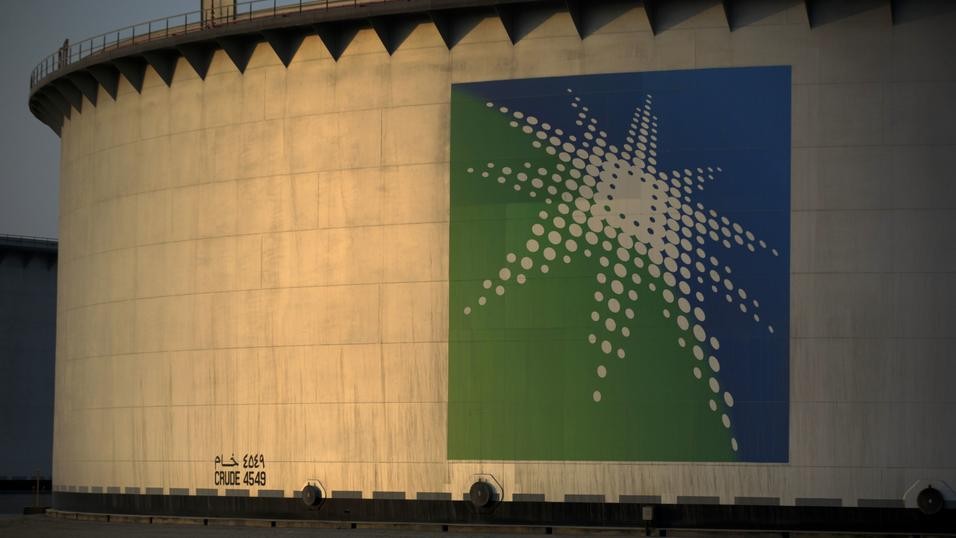
Saudi Arabia, a leading player in the global oil market, has experienced a significant decline in its crude oil exports. This development marks a record low, raising questions about the implications for both the kingdom and the international oil landscape.
Declining Export Figures
Recent reports indicate that Saudi crude oil exports plummeted to 4.974 million barrels per day (bpd) in March, down from 7.276 million bpd in February. This represents a staggering month-on-month decline of 31.6%, making it the lowest level of shipments recorded since the Joint Organizations Data Initiative (JODI) started gathering this data. According to figures released on May 20, 2026, the fall in exports is closely linked to disruptions caused by ongoing conflicts in the region.
In terms of production, March saw a significant decrease, with output recorded at 6.967 million bpd compared to 10.882 million bpd just one month before. These production figures are also the lowest on record, highlighting how geopolitical tensions, particularly the conflict involving Iran, have been detrimental to operations in the region. Furthermore, refinery throughput declined by 746,000 bpd, indicating that local refining capacity has also been affected.
Impact of Geopolitical Conflict
The Middle Eastern conflicts have severely constrained commercial tanker flows exiting the Persian Gulf, prompting Saudi Arabia to activate emergency protocols. As a result, the East-West pipeline, also known as Petroline, has been pushed to its maximum operational capacity of 7 million bpd. This strategic pivot allows Saudi Aramco to divert crude from its eastern fields to the Red Sea terminal at Yanbu, maintaining a small portion—about 5%—of its total export capacity despite the disruptions at the Strait of Hormuz.
However, the operational challenges of the East-West pipeline have become evident. While the pipeline can facilitate 7 million bpd through the desert, logistical limitations at the Yanbu port hinder the actual volume that can be loaded onto tankers. An estimated 2 million bpd is used to supply local refineries like Samref, leaving only around 5 million bpd available for global export.
Logistical Challenges Ahead
The nominal loading and berthing capacity at the Yanbu port is estimated to be between 4 million and 4.5 million bpd, which is insufficient relative to the pipeline’s throughput. Furthermore, vessels transporting oil from Yanbu to major Asian markets, including India, China, and Japan, must navigate longer maritime routes through the Bab el-Mandeb strait and around the Arabian Peninsula. This not only results in heightened shipping times but also increases costs compared to direct routes from the Persian Gulf.
In summary, Saudi Arabia’s crude oil export operations are facing unprecedented hurdles, primarily due to geopolitical tensions and logistical constraints. The prospects for exports remain uncertain as the kingdom navigates through these challenges. With the global oil market in a constant state of flux, it’s crucial for stakeholders to monitor the situation closely to understand the potential ramifications for supply chains and pricing dynamics.