
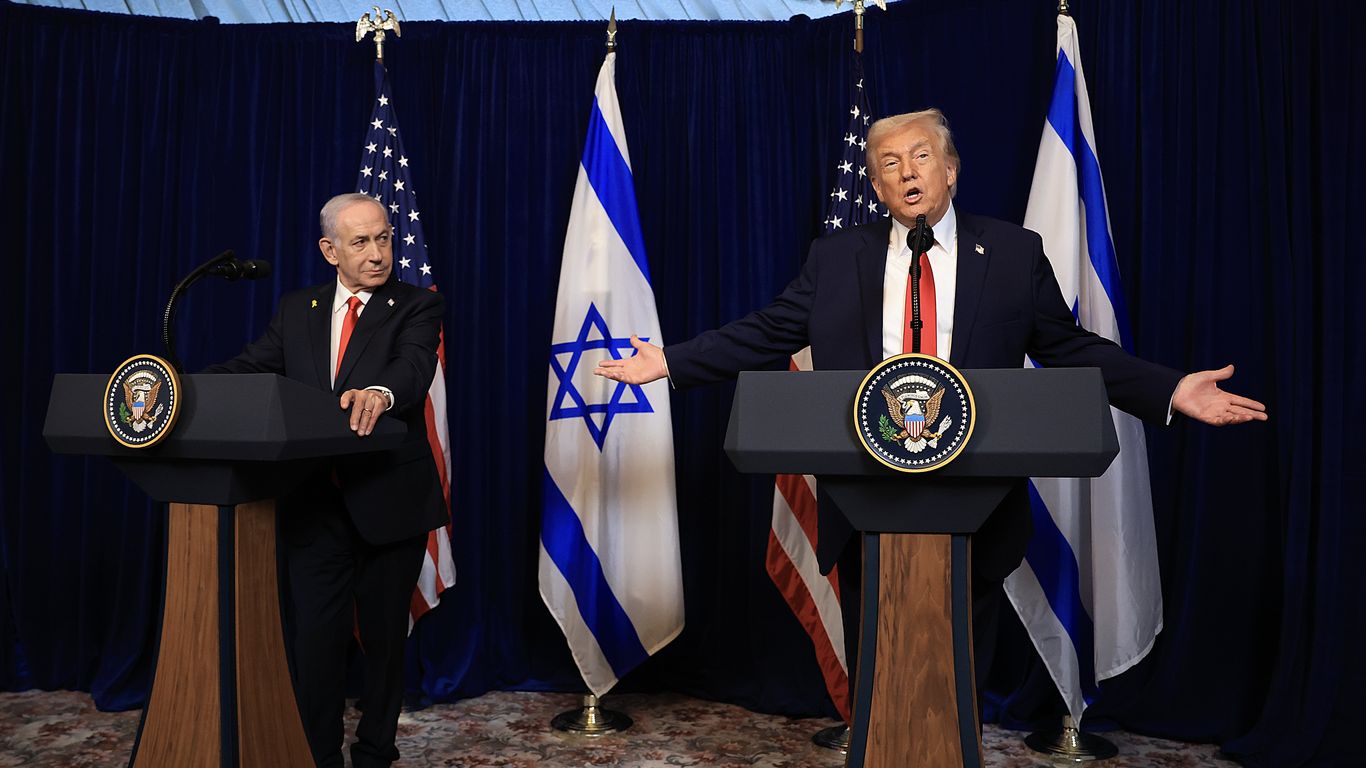
A recent draft agreement has been circulated, engaging both the United States and Iran in crucial negotiations. This development comes at a pivotal time, as both nations seek to redefine their diplomatic ties and address longstanding issues.
Background of U.S.-Iran Relations
The relationship between the U.S. and Iran has been historically complex, marked by decades of tension, sanctions, and conflict. Since the Islamic Revolution in 1979, both countries have struggled to find common ground. The nuclear program developed by Iran has been a significant point of contention, prompting a series of sanctions that have had far-reaching implications for both the region and global politics. Understanding this backdrop is essential to appreciate the impact and significance of the latest draft agreement.
Details of the New Draft Agreement
The newly proposed agreement aims to address multiple critical issues, including nuclear proliferation and regional stability. Key components of the draft are expected to focus on limiting Iran’s nuclear activities while providing economic incentives in exchange for compliance. This framework is designed to foster dialogue and build a trust that has been elusive for years. If both sides can agree on the terms, it could pave the way for a more stable relationship and reduce tensions in the Middle East.
Potential Implications for Regional Stability
The implications of a successful agreement extend beyond U.S.-Iran relations. A renewed diplomatic engagement could influence other countries in the region, potentially easing tensions between Iran and its neighbors. A more stable Iran may foster better relations between Gulf states and could reduce the likelihood of military confrontations. However, the success of this agreement will depend on the willingness of both sides to make concessions and maintain open channels of communication.
Challenges Ahead
Despite the potential benefits, significant challenges remain. Both nations have deep-seated mistrust, and many uncertainties exist regarding the enforcement of any agreement. Domestic political pressures in both countries may also influence the negotiation process. In the U.S., various political factions may resist concessions, while in Iran, hardliners could oppose dialogue with the West. Overcoming these challenges will require diplomatic finesse and a commitment from both parties to prioritize long-term goals over immediate gains.
In conclusion, the new draft agreement between the U.S. and Iran represents a critical juncture in their complex relationship. While it holds promise for reducing tensions and fostering stability in the Middle East, both nations face significant hurdles. Achieving a successful outcome will require flexibility, diplomatic skill, and a willingness to engage in actionable commitments. As the negotiations unfold, many eyes will be watching to see if this draft can transform into a lasting resolution that benefits both parties and the wider region.