
In Gaza, access to clean water has become a dire challenge, impacting daily life for countless families. The ongoing humanitarian crisis reflects a sobering reality where the basic necessities of life are no longer guaranteed. With infrastructure severely damaged, Gazans are forced to adapt to a new normal dominated by water insecurity.
Water Insecurity in Gaza
The United Nations reports that a staggering 91% of households in Gaza face moderate to high levels of water insecurity. Approximately one-third of these households report having access to water below minimum humanitarian standards, while over half are unable to attain adequate drinking water. Issues extend beyond mere access; 88% of families also struggle to find safe and clean sanitation facilities, a critical need that remains unmet amidst the crisis. The UN Office for the Coordination of Humanitarian Affairs highlights that the underlying infrastructure is in tatters, with 88% of surface Water, Sanitation and Hygiene (WASH) facilities damaged and 76% of underground systems in similar disrepair. The effect of the ongoing conflict has led to a dramatic reduction in water production, plummeting to around 40% of pre-war levels.
Electricity Shortages and Their Impact
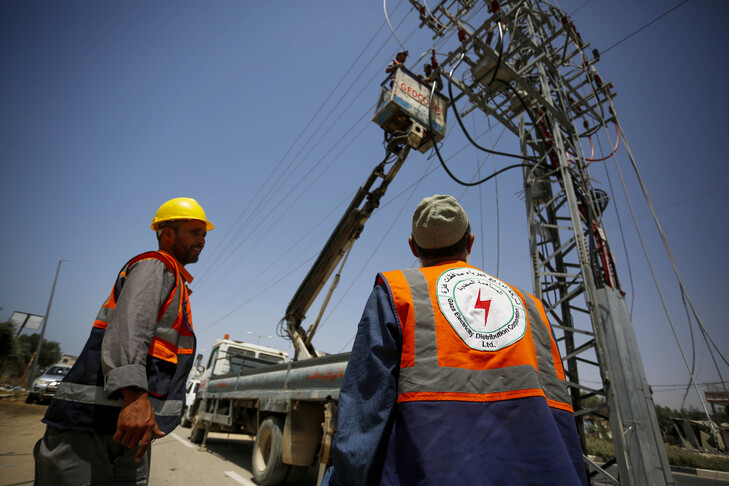
The water crisis is intricately linked to the electricity shortage in Gaza. Essential operations like water pumping, sewage processing, and desalination require consistent electricity supply. However, recent statistics indicate that a shocking 90% of energy infrastructure has been destroyed. As a result, many facilities must rely on generators that are dependent on limited fuel supplies. The prolonged absence of a reliable electricity supply has forced residents to rely on generators, which only provides a temporary solution. Officials estimate that rebuilding the electrical grid could take three to five years, posing a long-term challenge for water and sanitation services.
Health Implications of Water Scarcity
The scarcity of available water raises serious concerns about its safety for consumption. In August alone, health agencies collected nearly 1,000 water samples across Gaza, revealing alarming levels of contamination. Over 73% of these samples failed to meet World Health Organization standards for chlorine levels, while nearly 18% showed signs of microbiological contamination. Experts note that cases of acute watery diarrhea have nearly doubled since January, emphasizing the health risks associated with unsafe water access. These conditions have severe implications for both physical and mental health, with the lack of hygiene creating distress and impacting the dignity of the residents.
The Sanitation Crisis
The deteriorating state of sanitation in Gaza compounds the water crisis. Reports indicate that 39% of households experience the accumulation of solid waste, while 36% deal with sewage or sludge present near their homes. This issue is exacerbated in overcrowded displacement camps, where people face unsanitary living conditions. The rainy season poses additional threats, as damaged sewage systems heighten the risks of flooding and disease outbreaks. The joint report from humanitarian agencies indicates a pressing need to improve sanitation facilities to mitigate health risks.
In the backdrop of this dire situation, Gaza’s residents continue to hope for viable solutions. While some repairs to water infrastructure have occurred, many essential supplies remain critically restricted. Recovery for the people of Gaza hinges on the restoration of basic utilities: functional taps, safe drinking water, and reliable sanitation services. Most importantly, it means creating an environment where children can focus on education rather than survival—where the burden of water collection does not overshadow their opportunity for a better future.