
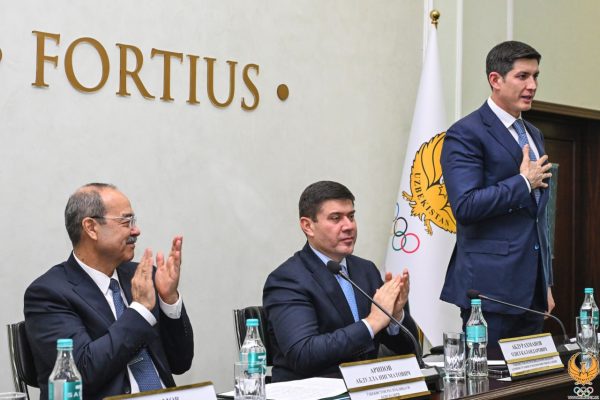
In April 2023, significant allegations emerged regarding Otabek Umarov, who, at that time, was the deputy head of the Presidential Security Service in Uzbekistan and the son-in-law of President Shavkat Mirziyoyev. According to investigations, Umarov reportedly acquired citizenship in the United Arab Emirates (UAE) and is said to own approximately $7 million worth of real estate in Dubai.
Key Allegations and Investigative Findings
The Organized Crime and Corruption Reporting Project (OCCRP) and RFE/RL’s Uzbek Service, Ozodlik, have been at the forefront of this investigation. Under Uzbekistan’s military law, which governs Umarov’s position, holding a second citizenship is strictly prohibited. Acquiring citizenship often requires an oath of allegiance, which many nations restrict for security officials due to potential conflicts of interest and counterintelligence risks. The findings suggest that Umarov’s dual citizenship status may raise serious concerns about his loyalties and the integrity of his role in the security services.
Moreover, UAE law stipulates that only high-ranking officials or royal nominations can grant citizenship to foreigners, further complicating Umarov’s circumstances. The implications of such citizenship attainment are profound, given the security risks associated with divided loyalties in the military and government sectors.
Career Shifts Amidst Controversies
In November 2024, Umarov was removed from his security position following an attempted assassination of a former deputy presidential administration head, Komil Allamjanov. This incident has led to further scrutiny of the inner workings of Uzbekistan’s political landscape. Allamjanov has since resumed a position as an advisor to Saida Mirziyoyeva, the president’s daughter, and was appointed as representative to the U.S., indicating ongoing connections and influence within the Uzbek political establishment.
While Umarov pivoted to serve as the first deputy chairman of Uzbekistan’s National Olympic Committee—which is chaired by his father-in-law—the questions surrounding his wealth and assets persist. Reports indicate that he became the owner of 13 properties in Dubai in 2025, worth around $7 million, originally owned by his younger brother. The transactions surrounding these properties are unclear, raising issues regarding transparency in his financial dealings.
The Puzzle of Wealth and Connections
Despite holding a government position, Umarov’s lifestyle raises eyebrows, especially when he has been seen wearing an exuberant Richard Mille watch valued at nearly $1.9 million. Government officials in Uzbekistan are not required to disclose their incomes, further obscuring the source of Umarov’s apparent wealth. The investigations highlighted that no records exist showing that Umarov owned private businesses during his tenure, although his brother has extensive business interests in finance and construction.
An insider revealed that Umarov’s wealth might be concealed through various channels, including names of associates linked to more dubious operations, complicating the tracing of assets to their rightful owners. One such associate, who was embroiled in an international sanctions manipulation case, was detained in Dubai under questionable legal circumstances, showcasing the murky undertones of the political and business relationships in Uzbekistan.
Conclusions and Future Implications
The inquiries by OCCRP and Ozodlik offer merely a glimpse into the complex and opaque dynamics of Uzbek politics and the international connections that may impede accountability. It’s unclear how exactly Umarov managed to acquire UAE citizenship and what influence his connections may have had in this process. Furthermore, Uzbekistan does not officially recognize dual citizenship, which raises legal questions about the ramifications of his UAE passport on his Uzbek nationality.
Acquiring a foreign passport, particularly in the context of his official duties, poses risks for Umarov, both legally and politically. His case sheds light on wider systemic issues regarding governance, accountability, and the entangled nature of political power and private wealth in the region. As investigations continue, the necessity of transparency in governmental dealings, especially in countries like Uzbekistan with histories of corruption, remains ever more crucial.