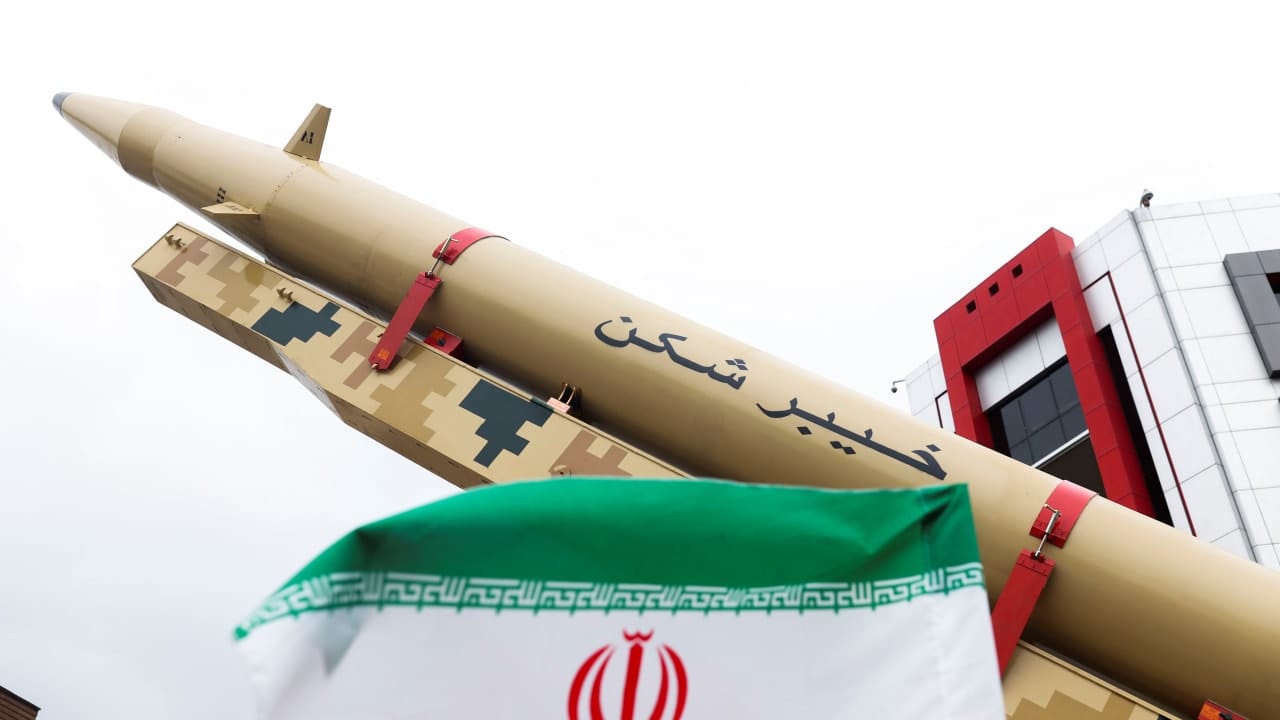
One reason often cited for military action against Iran was the urgent belief that Tehran was swiftly advancing towards acquiring nuclear weapons. Reports indicated that the nation was “racing” towards this capability, allegedly just “a step away” from developing its own bomb. However, this narrative has persisted for years, raising questions about the actual state of Iran’s nuclear ambitions.
Nuclear Threshold and Political Dynamics
Iran has remained on the verge of nuclear capability for a significant period. Assessments suggest that the nation’s position regarding weaponization has not solely hinged on technological factors like centrifuges or enriched uranium. U.S. intelligence reports imply that while Iran possesses the technical capacity to approach the nuclear threshold, it has yet to make a definitive decision to cross that line, primarily due to political considerations. The political landscape acts as a barrier that Iran has not been willing to breach thus far.
As we progress through the ongoing conflict, it appears this political barrier has not been strengthened. Despite targeted strikes on nuclear facilities, the latest intelligence estimates do not reflect a substantial reduction in the time Iran would need to produce nuclear weapons. This suggests that while military action may disrupt nuclear capabilities temporarily, it does not yield a permanent solution.
Compliance and Diplomatic Efforts
Concerns linger about Iran’s enriched uranium stockpile, with discussions within the country about crossing nuclear thresholds becoming more pronounced. The ongoing warfare has not only opened new conflict frontiers but has also escalated diplomatic costs for nations involved, particularly Israel in its relationship with the U.S. The key question remains whether military intervention has genuinely enhanced Israel’s security from nuclear threats.
Historically, the most effective measures to curb Iran’s nuclear program have been diplomatic. The 2015 nuclear agreement successfully imposed agreed-upon limits on Iran’s nuclear activities, dramatically decreasing its enriched uranium stockpile and establishing a framework for extensive oversight. Reports from the International Atomic Energy Agency (IAEA) also noted Iran’s compliance with its primary nuclear obligations before the U.S. withdrew from the deal and reinstated sanctions.
The Need for Diplomatic Engagement
Upon the U.S. withdrawal in May 2018, Iran began to exceed the limitations it had previously accepted. The strategic call for U.S. withdrawal and the subsequent shift from diplomacy to military action warrants a critical reassessment of the consequences associated with this approach. A viable diplomatic option remains largely unexplored, especially evident in the annual gatherings at the U.N. for discussions on creating a Middle East free from nuclear weapons.
Israel has consistently argued that regional security and disarmament should not be viewed as mutually exclusive. Security arrangements ought to be developed collaboratively among regional players, taking into consideration their consent. Furthermore, ignoring specific threats such as missiles or other forms of weapons of mass destruction while concentrating solely on nuclear capabilities is a flawed strategy.
Engaging in these discussions does not inherently compromise Israel’s security. Contrary to what might be assumed, attending such diplomatic efforts requires no relinquishment of vital capabilities, and it opens the door for a range of security dialogues. It is crucial for Israel to participate actively, if not for any other reason, than to affirm its role and demands within a collaborative framework.
In summary, as the geopolitical landscape evolves—with nations like Saudi Arabia enhancing their nuclear capabilities and Iran reconsidering its options—Israel must strategically position itself in diplomatic dialogues. In doing so, it can ensure that its security interests remain central in shaping the future of the region. Engaging with its neighbors while addressing various security concerns can potentially mitigate risks without sacrificing sovereignty.