
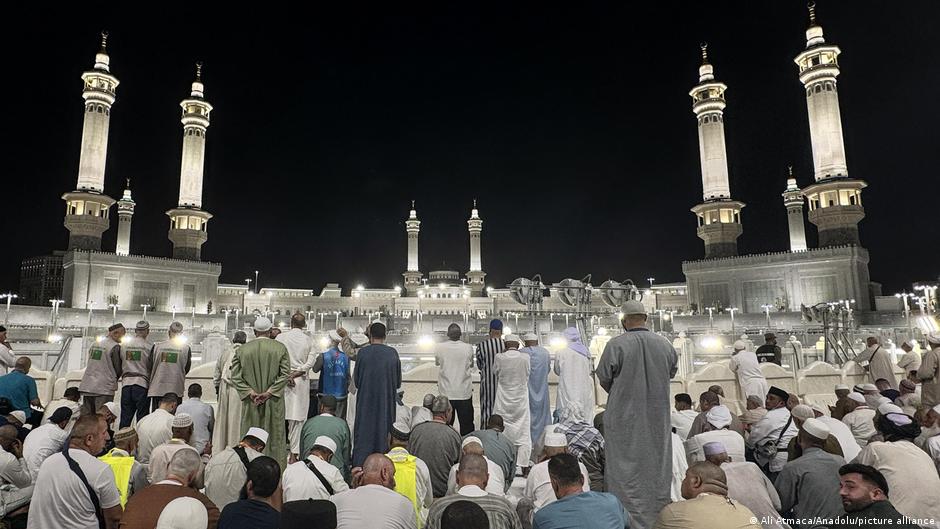
This year marks a significant moment for Saudi Arabia as it continues with the annual Hajj pilgrimage amidst ongoing conflicts, including direct attacks on its territory. The Hajj, which takes place from May 25 to May 29, is a crucial religious event for Muslims around the globe. Each believer is expected to partake in this pilgrimage at least once in their lifetime, provided they are able. With approximately 1.5 million pilgrims anticipated this year, the event promises to be one of the largest gatherings of people worldwide. The backdrop of warfare complicates logistics and security, as officials work to ensure a safe experience for attendees.
A Historical Perspective on the Hajj
Throughout its history, the Hajj has faced cancellations or restrictions only about 40 times in over 14 centuries. The last significant disruption occurred during the COVID-19 pandemic in 2020. Organizing the pilgrimage poses complex logistical challenges, especially when dealing with a massive influx of attendees within a short period. Saudi Arabia manages crowd control through a ticket lottery system for international pilgrims and implements strict security measures. Furthermore, with high temperatures often leading to health complications, adequate provisions for food, water, and medical assistance are crucial.
This year’s pilgrimage is particularly ambitious, slated to occur amid the escalating Iran conflict that began in late February, following military actions involving the U.S. and Israel. Although a ceasefire is currently in effect, uncertainty lingers regarding its stability. Reports of intercepted drones potentially launched by Iran-backed militias amplify concerns for the safety of pilgrims. Historical tensions in the region raise the stakes as pilgrims commence their journeys to Saudi Arabia.
Travel Advisories and Public Sentiment
The United States has issued travel advisories urging citizens to reconsider participation in the pilgrimage, especially after ordering non-emergency government personnel to exit Saudi Arabia. Similar warnings have been implemented by Germany, the UK, and other European nations. Despite these advisories, organizations like Germany’s Central Council of Muslims note that many pilgrims remain undeterred. The commitment to fulfill a religious duty often outweighs concerns related to geopolitical instability.
Planning for the Hajj typically begins more than a year in advance, accompanied by significant financial investments. As such, the threshold for cancellation remains high, with reports indicating that few have chosen to withdraw due to the Iran conflict. Countries known for sending large groups of pilgrims have initially expressed caution but are now facilitating travel as usual. Indonesia, which will send over 221,000 pilgrims this year, has also assured participants of available support services in Saudi Arabia.
Potential Risks and Economic Impact
Experts indicate that while acts of targeted aggression against the Hajj are unlikely given its sacredness, the risk of collateral damage remains a concern. The Saudi government has taken measures to fortify sacred sites with air defense systems, but unintentional incidents could jeopardize safety. The possibility of missile debris or errant drones poses real threats. Moreover, a nuclear incident in Iran could have dangerous repercussions for pilgrims in Saudi Arabia.
The ongoing conflict has also led to increased costs associated with the pilgrimage. Rising jet fuel prices affect flight costs, and while some governments negotiate to absorb these costs, others pass them to travelers. Many pilgrims face challenges stemming from fluctuating currencies and inflation, leading to financial pressure. Travel insurance, a requirement for Hajj pilgrims, often comes with limitations regarding conflict coverage, making it vital for travelers to secure the right policies.
This year’s Hajj serves as a testament to faith amid adversity. As millions set forth on this sacred journey, the significance of their commitment transcends the surrounding turmoil, showcasing the resilience of belief and community within the Muslim world.