
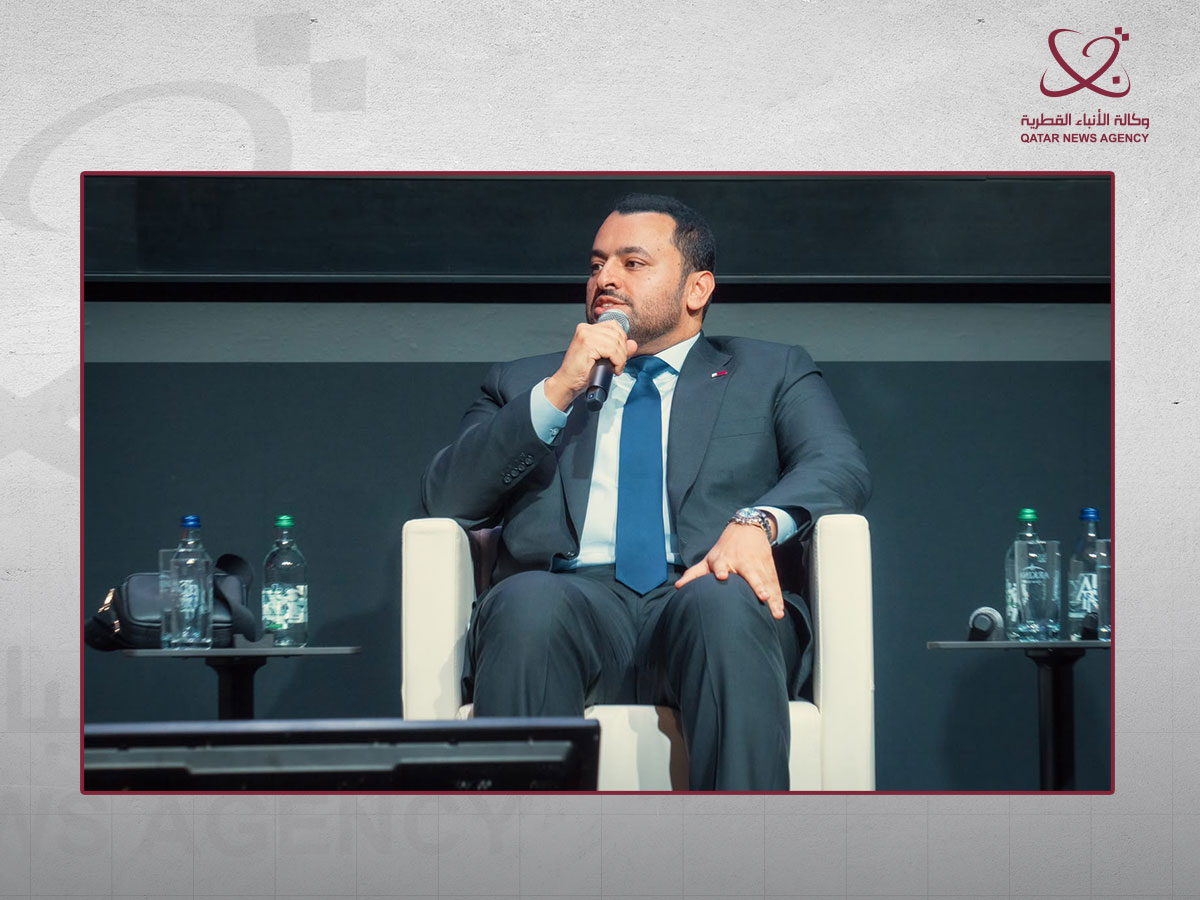
Geneva recently hosted the Geneva Peace Forum, where Dr. Mohammed bin Abdulaziz bin Saleh Al Khulaifi, Qatar’s Minister of State for Foreign Affairs, emphasized the vital role of mediation in conflict resolution. His opening remarks underscored the significance of structured rules and standards that guide effective mediation practices.
The Importance of Mediation in Peacebuilding
Dr. Al Khulaifi pointed out that mediation involves much more than merely arranging meetings between conflicting parties. Essential elements such as trust, impartiality, confidentiality, inclusivity, and a genuine commitment to peaceful resolutions form the foundation of successful mediation. He stressed that these components are not abstract ideals but practical necessities that empower negotiators to explore compromises and engage continuously in discussions, even amidst challenges.
Additionally, the minister highlighted that the principles of mediation and the safe environment needed for dialogue must be protected unequivocally. In today’s world, wars are rarely concluded through definitive victories; instead, they often reach an impasse. With the avenues toward peaceful agreements shrinking, there is an increasing necessity to foster a conducive space for mediation. Dr. Al Khulaifi asserted that dialogue requires political and logistical security, enabling the involved parties to feel protected rather than exposed to additional risks.
Qatar’s Commitment to Mediation
Even in light of the pressures faced by Qatar, Dr. Al Khulaifi affirmed that their commitment to mediation has only intensified. He observed that as dialogues grow more complex, there is an even greater need for effective mediation. He expressed that the responsibilities surrounding the evolving rules and standards of mediation have become crucial. Maintaining the integrity of these principles allows stakeholders to pursue resolutions and maintain engagement in negotiation processes.
The minister also called attention to the role of the United Nations in defending the practice of mediation, particularly when it is under threat. Aligning with the UN Charter, particularly Article 33—which advocates for negotiation and mediation as peaceful dispute resolution methods—he reinforced the necessity for the international community to prioritize strong frameworks and protections for mediators.
Advancing Legal Protections for Mediators
Dr. Al Khulaifi urged the global community to promote enhanced standards and legal assurances aimed at safeguarding mediators’ efforts. He noted that implementing such protection is critical for ensuring the safety of those committed to resolving conflicts. It is essential, not just for the individuals involved, but for the broader scope of international peace efforts. As the quest for peaceful settlements is foundational to the international system, the need for robust measures to support mediators remains urgent.
In conclusion, the Geneva Peace Forum served as a platform to reiterate the importance of mediation in resolving conflicts. Dr. Al Khulaifi’s insights emphasized that as global challenges become increasingly complex, the frameworks and principles surrounding mediation must be preserved and strengthened. The call for vigilant support from the international community underscores the critical role that mediation plays in building a more peaceful world.