
The UK government recently accused Iran of being involved in a significant security incident near a joint UK/US airbase in southern England. In response, officials summoned the Iranian ambassador and announced sanctions on two individuals thought to be connected to the alleged plot.
### Arrests Near RAF Fairford Airbase
On September 27, five British citizens were apprehended close to RAF Fairford under suspicions of terrorism and explosives-related offenses. They were later granted bail with strict conditions, and additional arrests occurred shortly after. This incident has drawn attention to the possibility of foreign interference, especially given the strategic significance of Fairford for the US Air Force, which utilizes it for operations with heavy bombers like the B-1 and B-52, capable of reaching targets in Iran.
### Political Response from UK Government
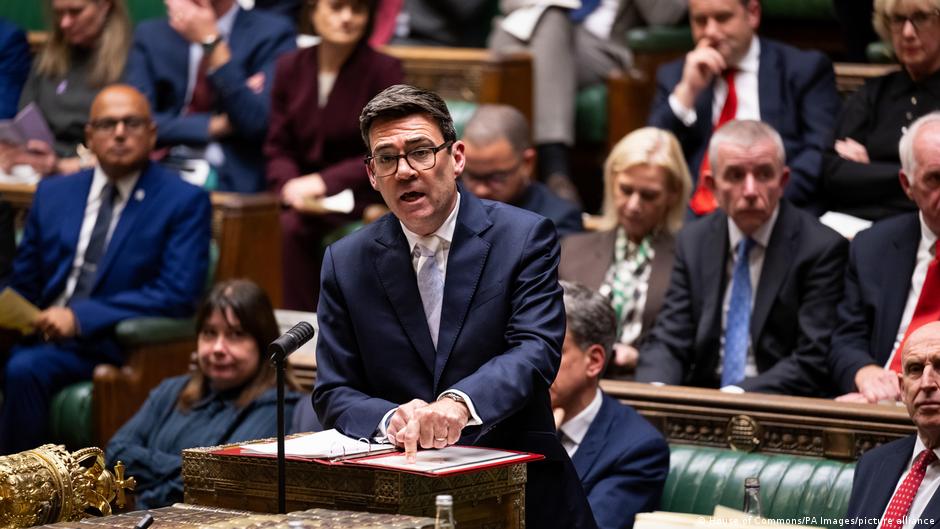
Prime Minister Andy Burnham addressed Parliament regarding the incident, indicating that the UK might escalate sanctions against Iran. Burnham asserted that there are indications of coordination from Iranian authorities, particularly suggesting involvement from the Islamic Revolutionary Guard Corps (IRGC). He stated that the behavior demonstrated by the detained individuals was concerning, yet their capacity to execute a significant threat remains uncertain. Initial investigations found no viable explosives but did uncover accelerants, hinting at a potential nefarious plot.
Burnham emphasized the UK’s commitment to counteracting Iran’s criminal activities by cracking down on funding sources and communicating that such threats would not be tolerated. He also hinted at possible future sanctions designed to hinder Iran’s operational capabilities.
### Diplomatic Fallout and Sanctions
Foreign Secretary Ed Miliband confirmed that the Iranian ambassador had been summoned to express the UK’s firm stance against any attacks on British soil. In response to the incident, Miliband announced sanctions targeting two individuals: Ruhollah Bazghandi, the head of intelligence for the IRGC, and Shahram Ali Reza Tamarzadeh Jakki, accused of aiding a criminal network. These sanctions include asset freezes and travel bans, reflecting the government’s determination to address any hostile actions linked to the Iranian regime.
Moreover, the Iranian state news agency reported that Ambassador Ali Moussavi denied the accusations, demanding evidence from the UK government to substantiate its claims. This diplomatic standoff highlights the tensions between the two nations, exacerbating an already fraught relationship.
### International Reaction and Security Measures
In light of the incident, a coalition of 29 countries issued a statement condemning Iran’s alleged use of violence, including terrorism, sabotage, and cyber-attacks against other nations. Among the signatories were key allies from the “Five Eyes” intelligence alliance—namely the US, Canada, Australia, the UK, as well as several European NATO members, like France and Germany. This collective response emphasizes a broad international consensus on the dangers posed by Iran’s actions.
Following the security alert, the US rerouted advanced B-1 bombers stationed at Fairford, although B-52s remained as a part of ongoing operations at the base. Located approximately two hours west of London, RAF Fairford has historical significance dating back to World War II, serving as a key airbase during the Allied operations.
As the situation develops, the UK government remains vigilant and committed to maintaining national security, while the broader implications of these events continue to unfold on the international stage.