
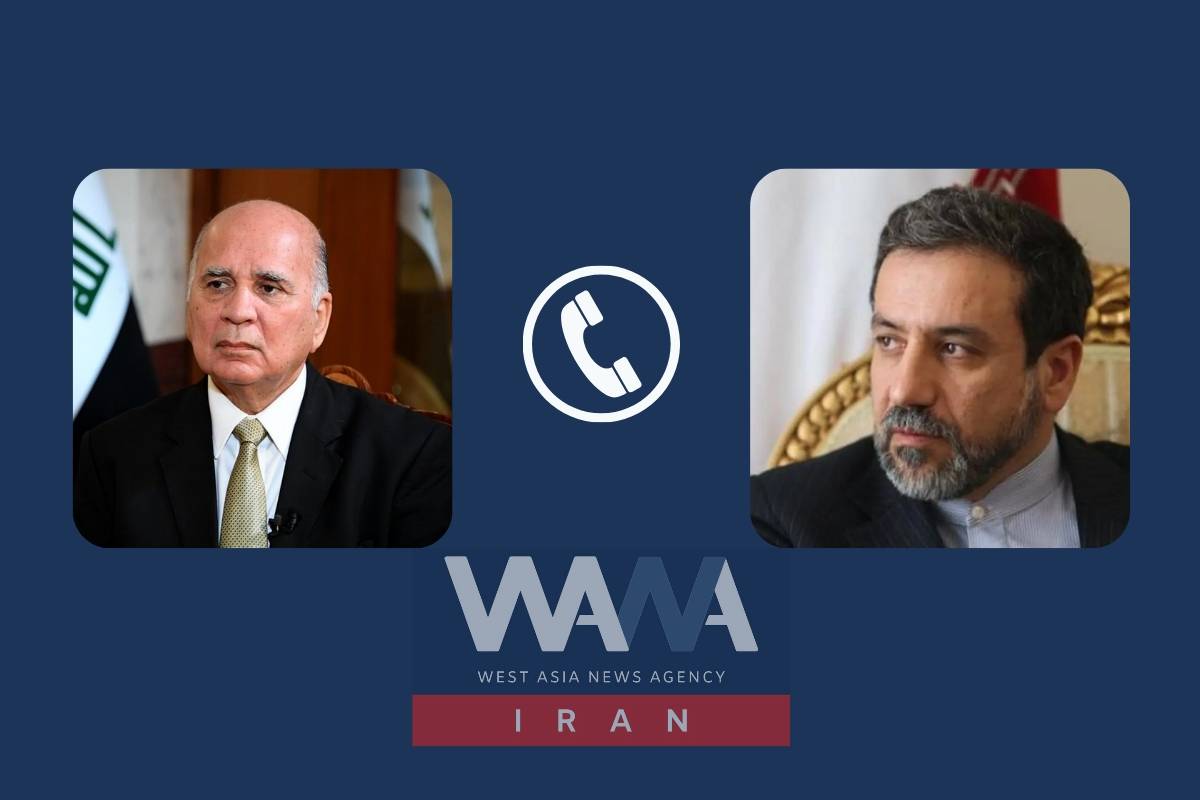
Iranian Foreign Minister Abbas Araghchi and his Iraqi counterpart Fuad Hussein engaged in a significant phone call recently, addressing critical bilateral relations and regional matters, notably the situation in Yemen. Such dialogues are vital in the context of ongoing tensions in the Middle East and reflect the need for collaborative approaches to regional crises.
Highlights of the Bilateral Discussions
During their conversation, Araghchi and Hussein shared insights regarding their countries’ relations and broader regional issues. This communication underscores the importance of maintaining open channels between Iran and Iraq, especially as both nations navigate complex geopolitical landscapes. This phone call came shortly after Araghchi’s dialogue with Saudi Foreign Minister Faisal bin Farhan, further emphasizing Iran’s engagement with its neighbors to foster regional dialogue.
Concerns Over Regional Stability
Esmail Baghaei, spokesperson for the Iranian Foreign Ministry, reiterated Tehran’s deep concerns about the escalating situation in the Arabian Peninsula. He indicated that ongoing discussions between Iran and other regional nations are crucial in addressing these tensions. Baghaei pointed out that prolonged hostility would primarily benefit Israel, which could exacerbate the already fragile state of affairs in the region.
In his statements, Baghaei expressed a desire for amicable solutions to avoid ongoing conflicts between Muslim nations. He condemned the existing levels of tension and instability that he attributed to the actions of the United States and Israel. Baghaei emphasized the essential rights of the Yemeni population to live dignified lives, free from external pressures, sanctions, and blockades that have lasting repercussions on their lives.
The Implications for Dialogue and Peace
Baghaei’s remarks reflected Iran’s commitment to using its influence to facilitate meaningful dialogue among conflicted parties. He stated that the dynamics witnessed over the last decade, characterized by persistent violence and instability, cannot be justified from either an Islamic or international law perspective. This commitment to dialogue suggests that Iran is eager to play a stabilizing role amidst escalating tensions, reinforcing the idea that diplomatic efforts can foster peace and cooperation.
The recent engagements, particularly the conversation between Araghchi and Hussein, signal a potential shift towards greater collaboration. By addressing these issues directly, both countries can work toward establishing a framework conducive to peace, which could ease the pressures felt by various populations in the region.
In conclusion, the discussions between Iranian and Iraqi officials indicate a proactive approach to managing regional instability. The commitment to dialogue, alongside the recognition of the humanitarian crises affecting populations like those in Yemen, reflects a pivotal moment for diplomacy in the Middle East. Through these engagements, there’s hope for a more interconnected and peaceful future for Iran and its neighboring countries.