
Netanyahu’s initiative to boost Israel’s self-sufficiency in weapon production is drawing considerable scrutiny. While his vision aims for a more independent defense industry, many experts contend that focusing on specialized systems—such as reconnaissance technology, air defense, radar, and missiles—may yield greater benefits.
Challenges in Military Independence
The notion of Israel achieving independence in military supplies is ambitious yet fraught with complexities. Despite having a strong reputation for technological innovation, producing a wide variety of advanced military systems domestically poses logistical and financial challenges. Various experts insist that rather than solely prioritizing independence, Israel should also strengthen its partnerships with allies, particularly the United States. These relationships offer not only funding but also critical technological exchanges that could significantly enhance Israel’s defense capabilities.
Additionally, the development of cutting-edge military technology often necessitates vast resources and research capabilities that Israel may not independently maintain. Areas such as missile defense and advanced reconnaissance require substantial investment in research and development, as well as ongoing testing and validation. For this reason, relying on international collaborations may allow Israel to accelerate advancements in these critical areas without bearing the full burden alone.
The Promise of Specialized Systems
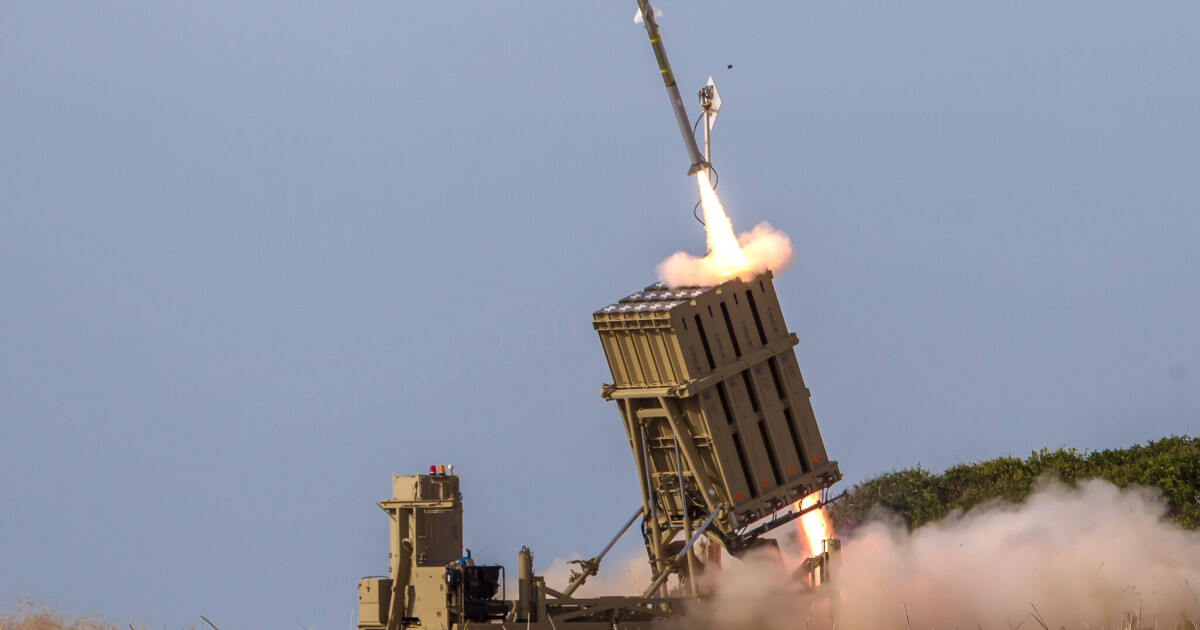
Focusing on specialized defense systems presents an opportunity for Israel to maintain its technological edge. Investments in specific areas like air defense systems and missile technology can create more robust national security measures. The Iron Dome missile defense system, which has gained significant acclaim for its effectiveness, is a prime example of how innovation can be harnessed to protect civilian lives and ensure national safety.
Moreover, refining capabilities in reconnaissance technology and radar systems can provide earlier warnings of threats, allowing for preemptive measures. By dedicating resources to these specialized systems, Israeli defense could greatly enhance its strategic posture. Implementing such technologies would not only bolster domestic capabilities but could also pave the way for future export opportunities, thus generating revenue.
Outlook for the Future
As Israel continues to navigate its defense strategies, an emphasis on developing advanced, specialized capabilities—while maintaining valuable ties with international partners—will likely yield the most fruitful results. The global defense landscape is rapidly evolving, and Israel’s ability to adapt will be imperative for maintaining both its sovereignty and security.
In summary, while Netanyahu’s vision for a self-sufficient defense industry is laudable, an emphasis on nurturing partnerships and investing in specialized military technologies could create a more balanced and effective approach. By reevaluating priorities and acknowledging the benefits of collaboration, Israel can strengthen its defense posture while ensuring the nation remains at the forefront of military innovation.