
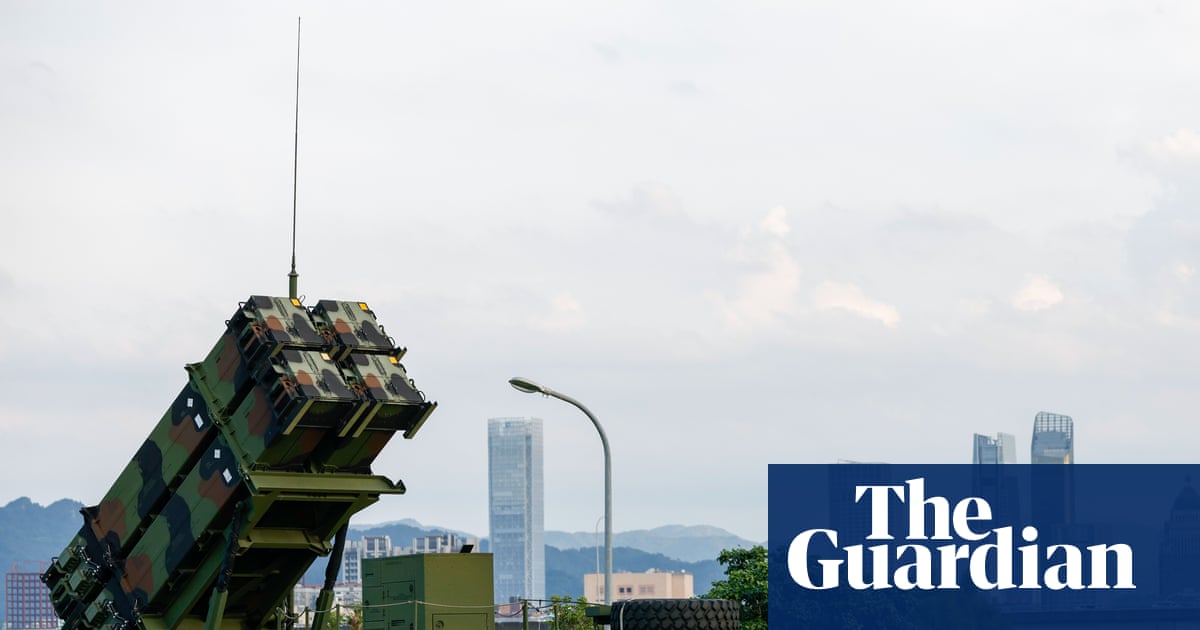
US arms sales to Taiwan are currently on hold, as confirmed by Washington’s acting Navy secretary, Hung Cao. This suspension is aimed at ensuring that the US military maintains adequate munitions for its ongoing operations in Iran. The decision is particularly significant for Taiwan, which has been waiting for the approval of a substantial $14 billion arms package.
Military Readiness and Arms Sales
During a congressional hearing, Hung Cao addressed concerns regarding the halted arms deal, stating, “Right now we’re doing a pause in order to make sure we have the munitions we need for Epic Fury [the Iran war] – which we have plenty.” He assured that foreign military sales would resume when deemed necessary by the administration. This pause comes amid heightened anxiety about the depletion of U.S. missile stockpiles since the initiation of operations against Iran on February 28, which have led to a precarious ceasefire.
US Senate Minority Leader Mitch McConnell expressed dismay over the uncertainty surrounding the arms sales to Taiwan, noting that the ultimate decision rests with Secretary of State Marco Rubio and Defense Secretary Pete Hegseth. McConnell’s comments reflect growing concern in Washington about the implications of this military pause on Taiwan’s defense capabilities.
Taiwan’s Reaction and International Implications
In light of Cao’s statements, Taiwan’s presidential office spokesperson, Karen Kuo, clarified that they had not received any information suggesting changes to the arms sale. Nonetheless, the timing of this announcement raises alarms, particularly after President Trump’s recent meeting with Chinese President Xi Jinping, during which discussions about US arms sales to Taiwan were prominent.
China remains resolutely opposed to any weapons sales to Taiwan, a region it considers a breakaway province despite never having governed it. The tensions were further emphasized when Xi warned that the US and China could face serious conflicts if Taiwan is not handled judiciously. As Taiwan awaits clarification on future US support, the competitive geopolitical dynamics between the US and China remain at the forefront.
Future Uncertainties for Taiwan
Historically, the US has maintained a policy of strategic ambiguity regarding its defense commitment to Taiwan. However, under the Taiwan Relations Act, the US is obligated to furnish Taiwan with adequate military equipment for its self-defense. Recent remarks by Trump during his trip to China have raised questions about the consistency of US support for Taiwan, with Trump suggesting that the arms sold could serve as a potential “negotiating chip” in relations with Beijing.
Despite stating that he made no commitments regarding Taiwan during his discussions with Xi, Trump has indicated that he intends to speak with Taiwan’s president, Lai Ching-te. This would be an unprecedented move since no sitting US president has directly communicated with Taiwan’s leader since diplomatic recognition shifted to Beijing in 1979. Such a conversation might elicit a strong reaction from China, further complicating an already tense situation.
The implications of these developments extend beyond Taiwan, affecting US relations with both China and Taiwan. As Washington grapples with military readiness issues, the future of arms sales to Taiwan remains uncertain, leaving Taipei in a precarious position as it seeks to bolster its defenses amid growing regional tensions.