
Saturation in military contexts refers to the overwhelming demand placed on defense systems, pushing them to their absolute limits. The term originates from the Latin word “saturatio,” meaning to fill fully or to satiate. Today, it encapsulates a critical modern phenomenon, particularly in architecture and defense strategies, where capabilities are tested beyond their designed thresholds.
Understanding Military Architecture
In military terminology, architecture denotes more than just a collection of weapons or technologies; it represents a complex interplay of various capabilities. This includes advanced sensors, such as radar and satellite systems, along with weaponry and communication networks, all integrated through a command and control (C2) framework that allows these elements to work cohesively. In an increasingly interconnected world, the ability of these systems to respond quickly and effectively is paramount, particularly in a combat scenario where decisions must be made in real-time.
Challenges in the Gulf States
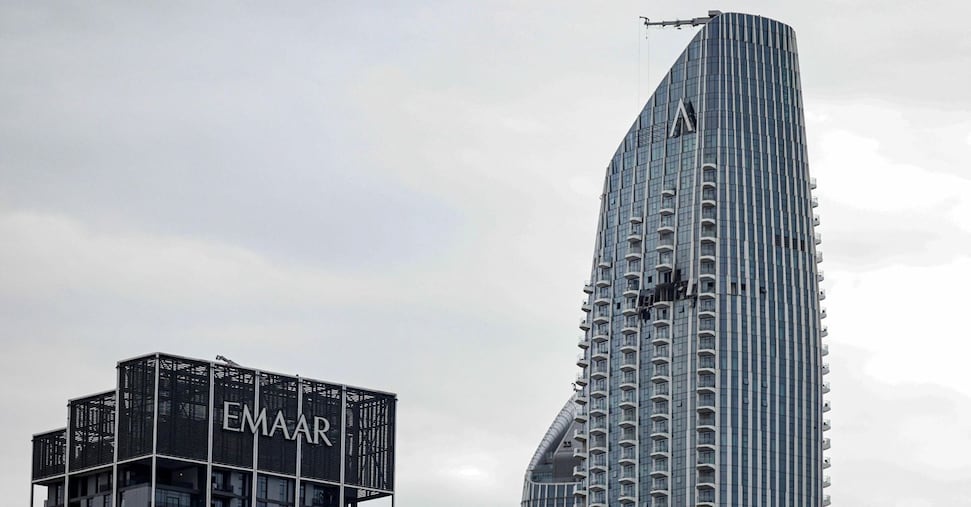
The geopolitical landscape in the Gulf States, particularly in nations like the United Arab Emirates, Saudi Arabia, and Qatar, illustrates the reality of saturation in defense. During heightened military conflict phases, especially noted from late February to early May of 2026, these nations faced an unprecedented volume of aerial threats. Defense systems were challenged by waves of missiles and drones, requiring rapid and effective responses. Simultaneously, the digital frontier experienced thousands of cyber-attacks, creating a dual burden on national defenses.
According to data from the Ministry of Defence of the United Arab Emirates, their defense forces were tasked with handling 2,845 aerial threats within this short period. These threats included various types of missiles and unmanned aerial vehicles, underscoring the immense strain placed on their defense systems. Such figures not only highlight the technical challenges but also illustrate the operational pressure endured by military personnel during these trying times.
The Dynamics of Conflict Operations
Imagine the scenario within an operations center during a crisis: alarms trigger alerts on screens, demanding immediate action. Radar tracks require swift identification, and incoming intelligence is often fragmented. Amid the chaos, priorities fluctuate, and the clock is ticking. The pressure intensifies as team members work to address immediate threats alongside broader operational goals. Under these circumstances, success hinges on rapid, coordinated responses involving managing stress, accurately identifying threats, and prioritizing actions effectively.
In this high-stakes environment, the focus expands beyond ensuring each component—be it a radar, sensor, or weapon system—is operational. The true test lies in assessing whether the entire system can maintain its integrity and functionality under extreme pressure. This collective resilience is crucial, as individual elements may falter when isolated, but the integration and coordination of multiple systems can pave the way for success, even in the most challenging scenarios.
In conclusion, as military architecture evolves to face modern threats, the concept of saturation signifies an urgent need for resilience and integration in defense strategies. The ability to respond to an escalating range of threats while coordinating diverse systems can significantly impact operational success, underscoring the importance of adaptable and interconnected military architectures in today’s volatile geopolitical landscape.