
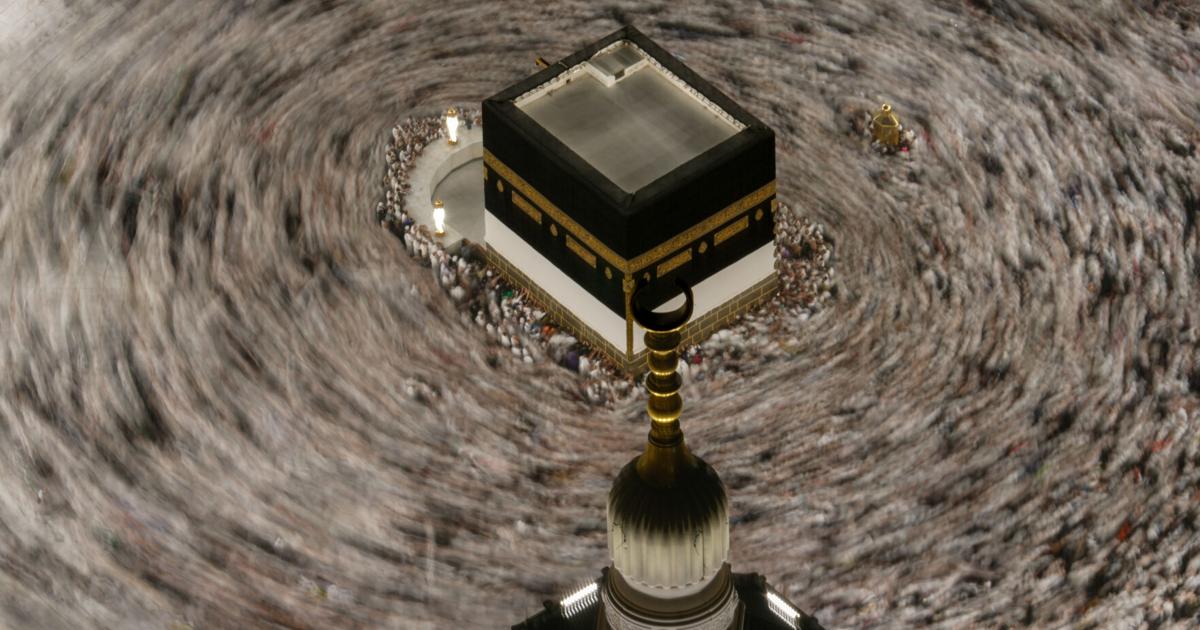
The Hajj pilgrimage holds immense significance for Muslims worldwide, attracting millions to the holy city of Mecca each year. This sacred journey is not only a religious obligation but also an opportunity for spiritual renewal and communal unity.
The Spiritual Journey of Hajj
Hajj is the fifth pillar of Islam, underscoring its essential role in Islamic faith. Every able-bodied Muslim is required to undertake this pilgrimage at least once in their lifetime, provided they can afford it. This journey involves a series of rituals performed over several days, commemorating the trials and triumphs of the Prophet Ibrahim (Abraham), his wife Hagar, and their son Isma’il (Ishmael). The experience brings a profound sense of belonging, where pilgrims from diverse backgrounds unite in worship, reinforcing the concept of Ummah, or the global Muslim community.
Rituals of Hajj
The rituals associated with Hajj include the Tawaf, a significant act where pilgrims circumambulate the Kaaba, which is considered the most sacred site in Islam. Pilgrims walk around the Kaaba seven times, a practice that symbolizes the unity of believers in the worship of the One God. Other essential rituals include standing at Arafat, where pilgrims reflect on their lives and seek forgiveness, and the symbolic stoning of the devil at Mina. Each ritual offers a deeper understanding of humility, devotion, and the importance of faith.
The Importance of Community
Hajj serves as a powerful reminder of the importance of community. As pilgrims gather from every corner of the globe, they celebrate their shared faith while embracing the diversity of cultures and traditions. The experience fosters a unique bond among participants, emphasizing that despite differences in nationality and ethnicity, all Muslims are united by their beliefs. The lessons of compassion and solidarity gained during Hajj extend beyond the pilgrimage itself, encouraging individuals to foster a spirit of unity within their local communities.
Challenges and Transformations
The pilgrimage is not without its challenges. Extreme weather, large crowds, and the physical demands of the rituals test the resolve and patience of pilgrims. However, these challenges often lead to personal transformation. Many return home with a renewed sense of purpose, having gained emotional and spiritual strength through their experiences. The trials faced during Hajj serve as a metaphor for overcoming life’s obstacles, demonstrating the power of faith and resilience.
Hajj remains an unparalleled spiritual journey, enriching the lives of those who undertake it. The lessons of unity, humility, and perseverance resonate deeply within the hearts of pilgrims, illuminating the path of faith long after the journey concludes. Each Hajj participant emerges with a unique story, carrying not just the memories of their pilgrimage but also a commitment to embodying the virtues learned throughout their time in Mecca.