
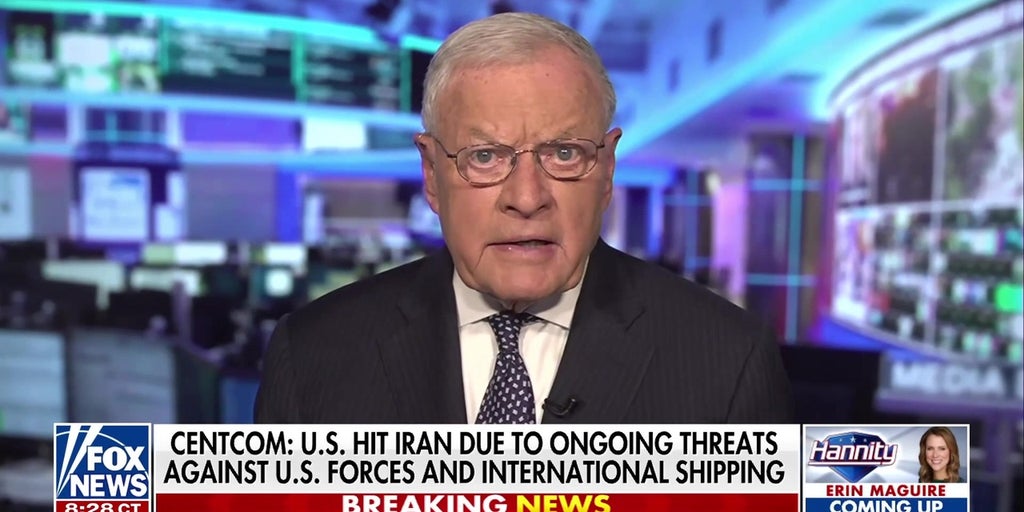
In recent military assessments, Retired Lt. Gen. Keith Kellogg evaluated the impact of CENTCOM’s operations targeting Iranian communication and air defense systems. This analysis sheds light on the broader implications of these strikes and their significance in regional security dynamics.
The Strategic Importance of CENTCOM’s Strikes
CENTCOM’s recent strikes against Iran’s communication infrastructure and air defense systems illustrate a renewed focus on countering the influence of Iran in the Middle East. By disrupting critical communication lines and degrading air defense capabilities, these operations aim to mitigate Iranian aggression not only against neighboring countries but also against U.S. interests in the region. The importance of these strikes cannot be understated, as they serve both tactical and strategic purposes.
From a tactical perspective, the immediate effects of CENTCOM’s actions may enhance the safety of U.S. personnel and assets in the Middle East. By impairing Iran’s ability to coordinate military actions, the U.S. reduces the risks not only for its own forces but also for allied nations that share concerns about Iran’s aspirations. Strategically, such military engagements send a clear message that the U.S. remains committed to maintaining stability and deterring hostile actions from adversaries.
Evaluating the Risks and Benefits
While the strikes against Iranian targets may yield short-term gains, they also come with risks that require careful consideration. One of the potential downsides includes escalating tensions in an already volatile region. Iran may respond to these actions with retaliatory measures that could heighten the risk of conflict. This cycle of retaliation can draw the U.S. and its allies further into a quagmire, complicating efforts for diplomacy and peace in the region.
Moreover, the effectiveness of such military operations can vary. The extent to which these strikes can cripple Iranian communications and air defenses might not fully achieve U.S. objectives if Iran’s military adapts quickly. Continuous monitoring and assessment of the operational landscape are crucial to ensure that the U.S. remains ahead of its adversaries. The ultimate goal should be to foster a stable environment that discourages aggression while facilitating diplomatic solutions.
The Bigger Picture: Regional Stability
Another significant aspect of Kellogg’s analysis emphasizes the need for a comprehensive approach to regional stability. While military strikes play a role in countering immediate threats, they should be part of a broader strategy that includes diplomatic efforts, intelligence sharing, and fostering partnerships with regional allies. A multi-faceted strategy can help strike a balance between deterrence and the long-term goal of sustainable peace.
In conclusion, while CENTCOM’s operations mark a decisive effort to curb Iranian influence in the Middle East, the complexities of the geopolitical environment necessitate a prudent approach. Retired Lt. Gen. Kellogg’s insights remind us that military actions, although impactful, should be complemented with diplomatic initiatives to ensure a holistic strategy for enduring stability in the region. The ongoing assessment of these operations will be vital as the U.S. navigates the challenges ahead.